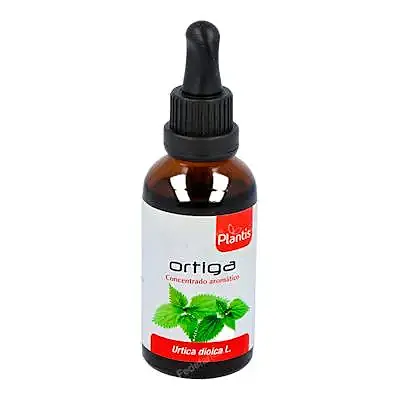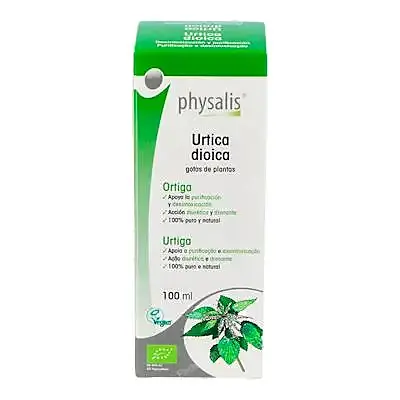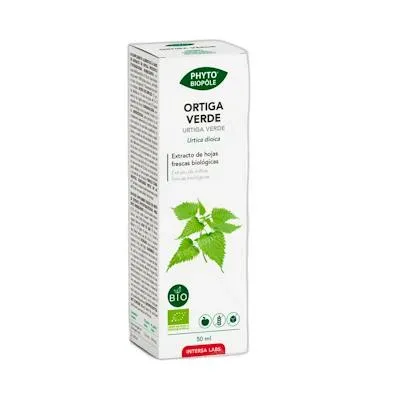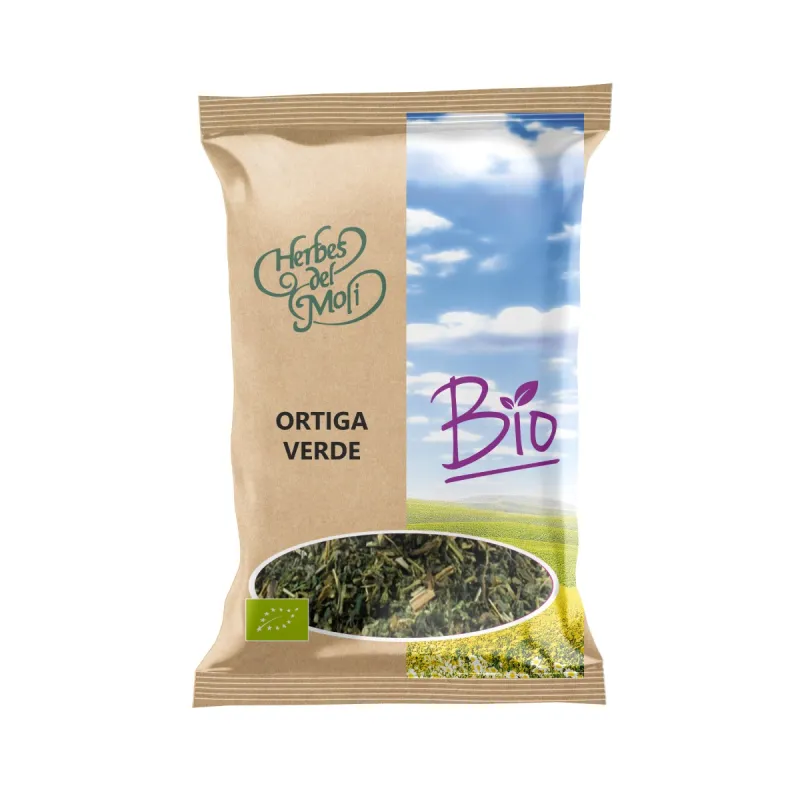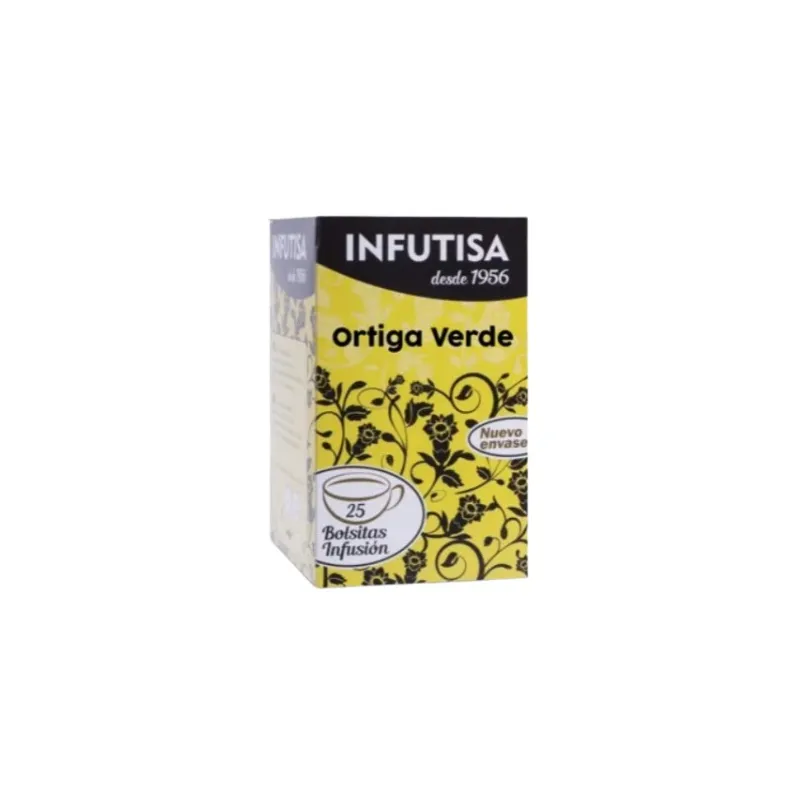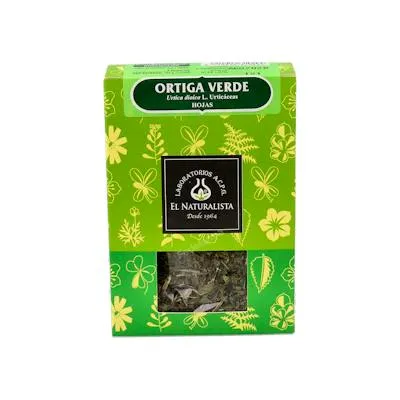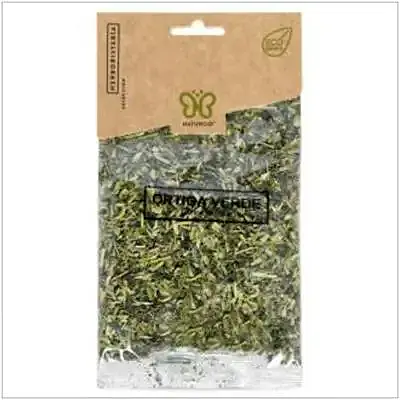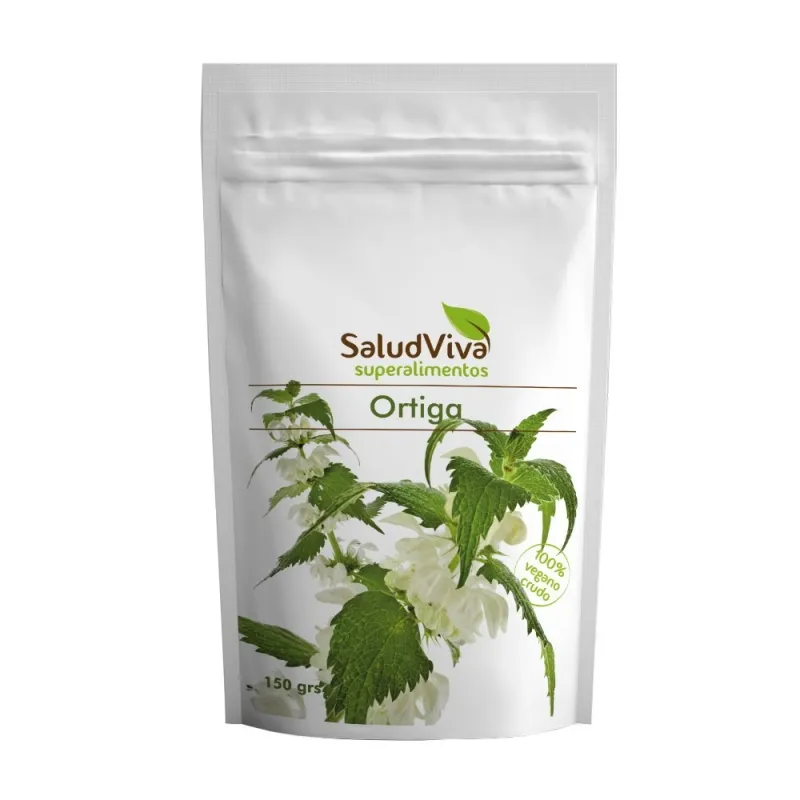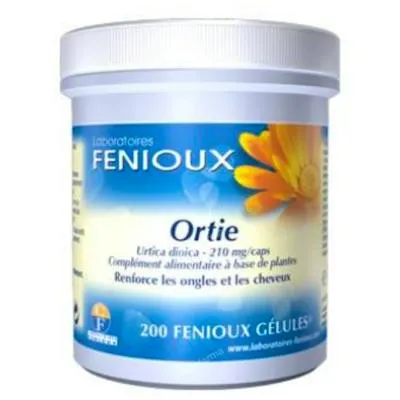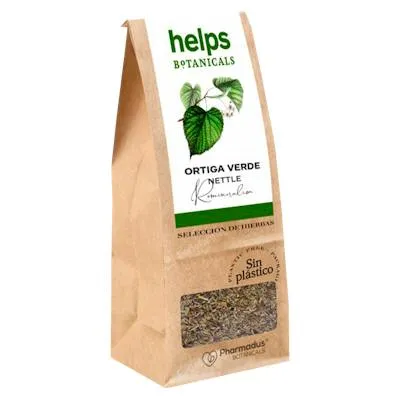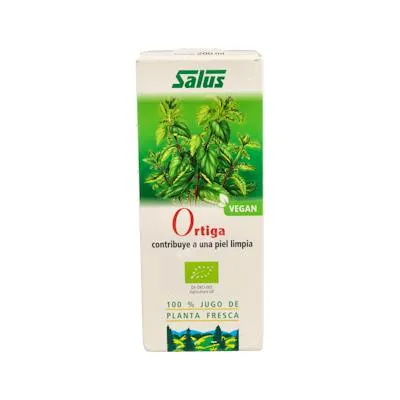
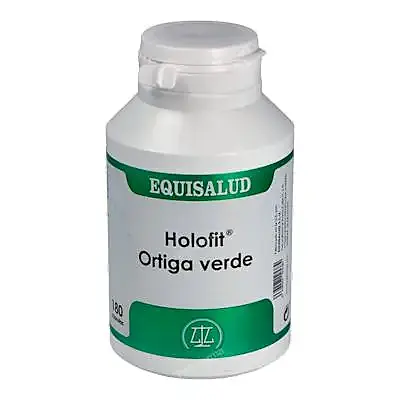
What is nettle (Urtica dioica)?
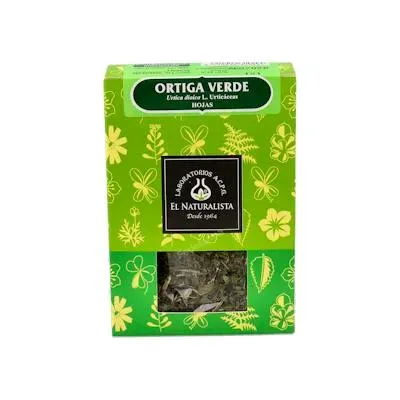
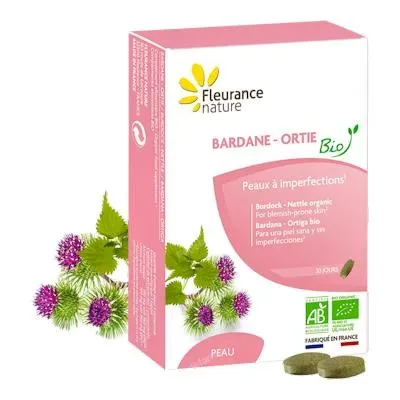
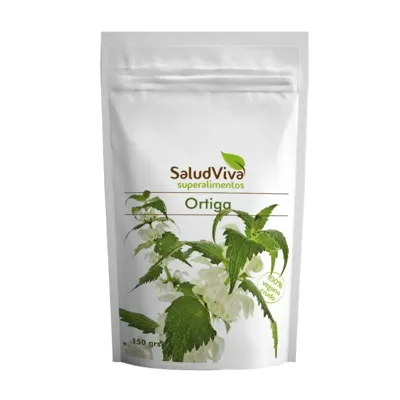
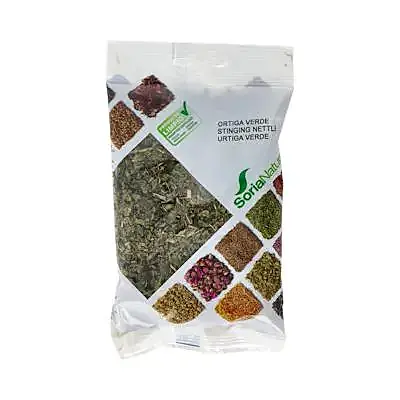
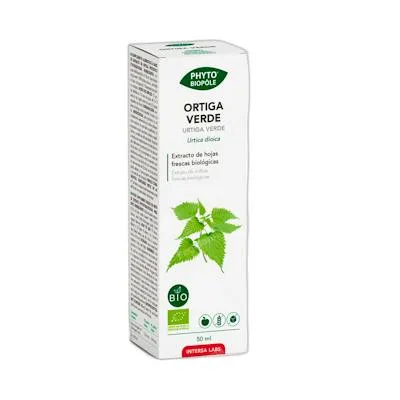
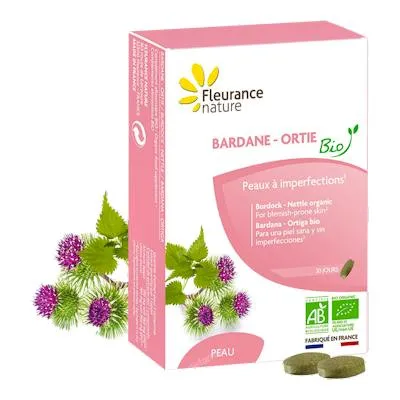
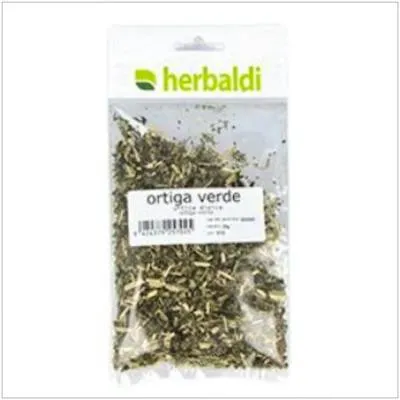
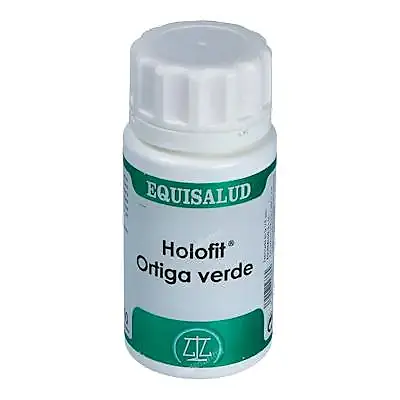
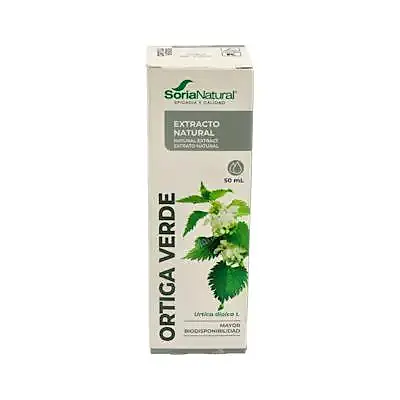
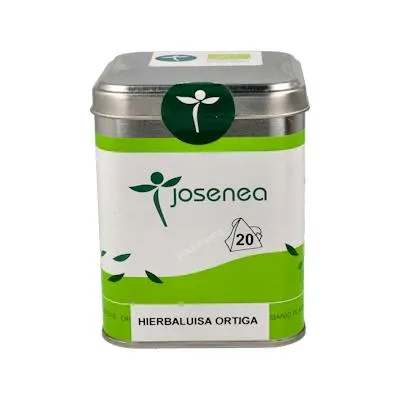
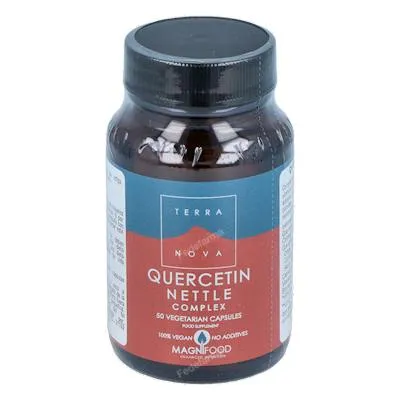
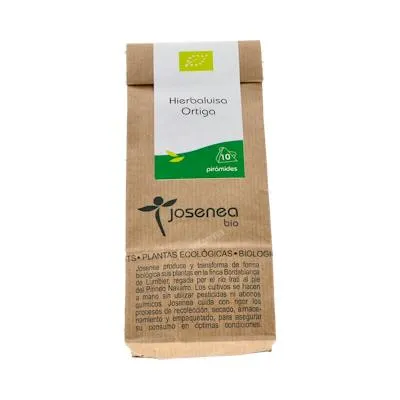
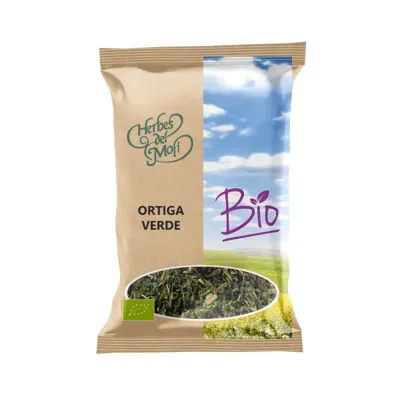
Common or stinging nettle is a plant of gardens and paths whose leaves, covered in hairs, sting when touched. Dried or cooked, they stop stinging. Its leaves are used, in infusion, extract, powder or capsules. White nettle is a different plant, from another family.
Varieties
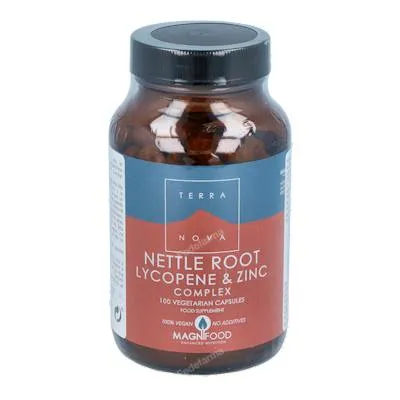
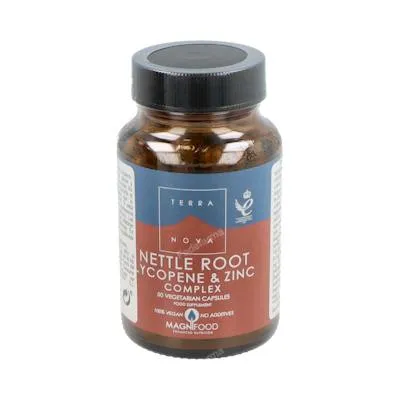
Common or stinging nettle (Urtica dioica) is a perennial plant of gardens, paths and damp places, native to Europe, Asia and North Africa. Its leaves and stems have hollow hairs that, when touched, break like a needle and inject histamine and other substances: that is why it stings. Dried or cooked, it stops stinging. Its leaves are used, in infusion, powder, extract or capsules, and the root separately.
What the European Medicines Agency says
Based on traditional use, the EMA concludes that nettle leaf can be used to relieve mild joint pain and, to increase urination, as an aid for mild urinary tract discomfort. It is for adults and children over 12 years old; it should not be taken for more than 4 weeks for joints or more than 2 to 4 weeks for the urinary tract. You should consult a doctor if the joint swells, becomes red or you have a fever, if symptoms persist, or if fever, burning on urination, spasms or blood in the urine appear.
The EMA refers to medicines based on this plant alone: food supplements, infusions sold as food and mixtures with other plants are not medicines. Source: European Medicines Agency (EMA), Urticae folium.