Envío gratis desde 40 € en la mayoría de productosHome delivery with tracking numberTe asesora una persona: 691 47 69 80 (teléfono y WhatsApp, L-V 10:00–14:00 y 17:00–20:00 · S 10:00–14:00 · D cerrado)You can get advice from a person by email: hola@vidaalnatural.esRecogida en la tienda de San Agustín14-day returnsSecure payment with Bizum, card (Visa, Mastercard, American Express), Apple Pay and Google PayTienda en San Agustín del GuadalixProtected shopping: encrypted connection across the whole site

Dandelion

Everything about dandelion in herbal teas and infusions, food supplements and cooking, with the advice of Vida al Natural, in San Agustín del Guadalix.

36 products

Plate from Vida al Natural · no. 100 of 108

What is dandelion (Taraxacum officinale)?

Dandelion is a plant of meadows and roadsides, with toothed leaves in a rosette and yellow flowers that turn into a ball of fluffy seeds that flies away with the wind. Its root and leaves are used, as an infusion, extract or capsules.

Varieties

Dandelion (Taraxacum officinale) is a perennial plant of the daisy family, native to Europe and Asia, that grows in meadows, gardens and roadsides. It has a long, fleshy root, toothed leaves in a rosette, white latex and a single yellow flower on each hollow stem. The flower turns into a ball of seeds with fluffy pappus that flies away when blown. Its root and leaves are used.

What the European Medicines Agency says

Based on traditional use, the EMA concludes that dandelion root with herb can be used to relieve the symptoms of mild digestive disorders (feeling of fullness in the stomach, gas and slow digestion), temporary loss of appetite and, to increase urination, as an aid for mild urinary tract discomfort. It is for adults and children over 12 years old. If symptoms last more than 2 weeks, or if fever, pain or burning on urination, spasms or blood in the urine appear, consult a doctor.

The EMA refers to medicines based on this plant alone: food supplements, infusions sold as food and mixtures with other plants are not medicines. Source: European Medicines Agency (EMA), Taraxaci radix cum herba.
Parts used

  • The root

    Long and fleshy, with white latex. Roasted and ground, it is used as a coffee substitute.

  • Leaves

    Toothed, like lion's teeth. Young leaves are eaten in salad; larger ones are cooked.

  • The flower

    Yellow, one per stem. Dandelion wine is made with it.

  • Seeds

    With a parachute of hairs, the pappus, they form the ball that flies away when blown.

Dandelion formats and how to use them

Products and prices are those in the shop today. Always follow the directions for use on each product's label.

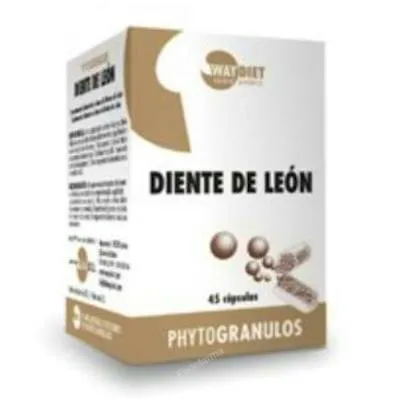
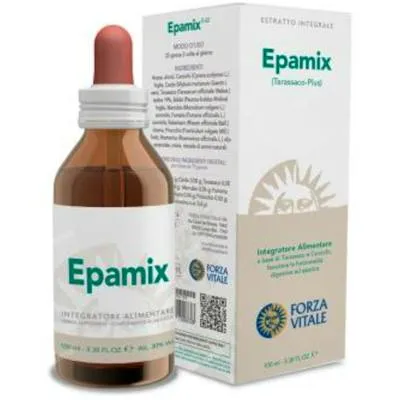
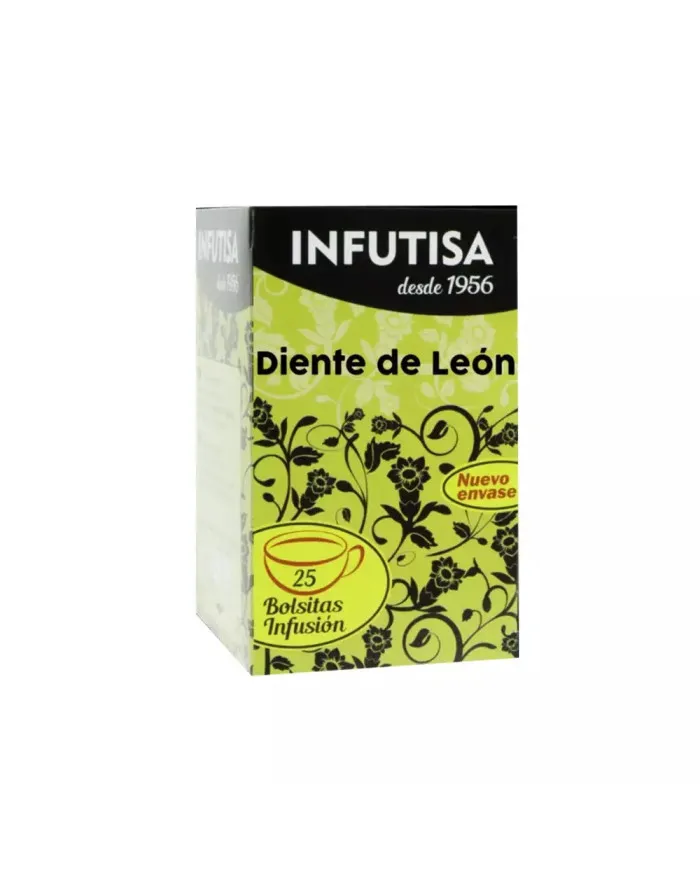
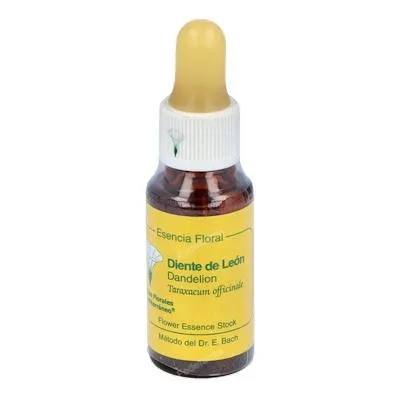
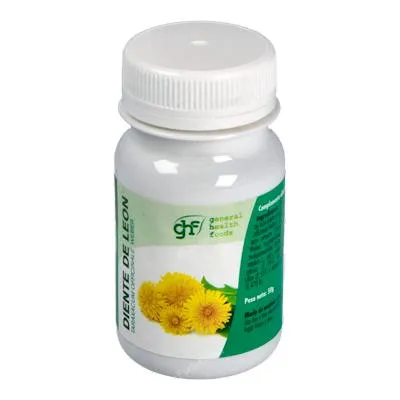
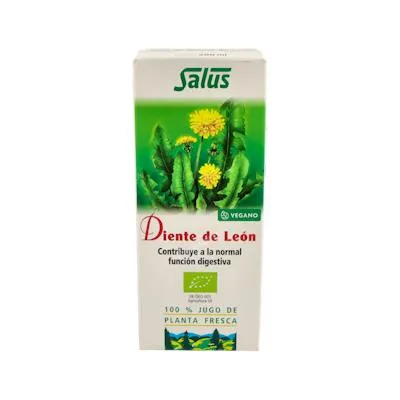
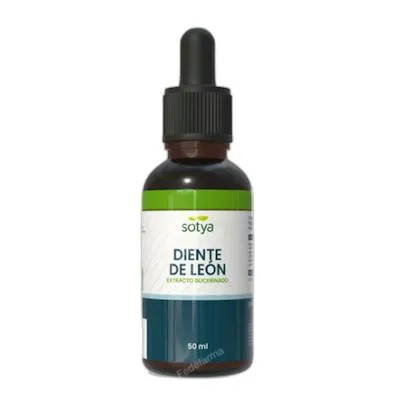
Products

How to choose dandelion

  • Check which part it contains: root, leaf or whole plant.
  • For infusion, green leaves or chopped root, without mould.
  • In extracts, the label states whether they contain alcohol.
  • If you are allergic to chamomile or arnica, check the precautions.

History and tradition

  1. Glaciations

    Dandelion fossil remains have been found in Europe from the glacial and interglacial periods.

  2. Around 1170

    Gerard of Cremona, when translating from Arabic into Latin, writes it as tarasacon: its name comes from Arabic and means bitter herb.

  3. 1753

    Linnaeus describes it as Leontodon taraxacum.

  4. Today

    The EMA has monographs on the leaf and on the root with herb.

Dandelion around the world

  • France

    Dent de lion, diente de león, for its toothed leaves, gave it its name in many languages.

  • North America

    It arrived as a food plant, and native peoples used it as food and medicine.

  • English-speaking countries

    The seed balls are called clocks.

What it pairs with

Sources for this page: EMA, Taraxaci radix cum herba (dandelion root and herb); Taraxacum officinale, Wikipedia in English.

Frequently asked questions

What is the dandelion used for?

Based on traditional use, the EMA concludes that dandelion root with herb can be used to relieve the symptoms of mild digestive disorders (feeling of fullness in the stomach, gas and slow digestion), temporary loss of appetite and, to increase urination, as an aid for mild urinary tract discomfort. It is for adults and children over 12 years old. If symptoms last more than 2 weeks, or if fever, pain or burning on urination, spasms or blood in the urine appear, consult a doctor. The EMA refers to medicines based on this plant alone: food supplements, infusions sold as food and mixtures with other plants are not medicines. Source: European Medicines Agency (EMA), Taraxaci radix cum herba.
What precautions does the dandelion have?

It may cause stomach pain, heartburn and allergy. Do not take it if you are allergic to plants of the daisy family (such as chamomile or arnica), obstruction of the bile ducts, cholangitis, liver disease, gallstones, an active stomach ulcer or other biliary disease. Avoid it if you have kidney failure, diabetes or heart failure, due to the risk of potassium rising. It is not recommended during pregnancy or breastfeeding (EMA monograph, Taraxaci radix cum herba).

Which products with dandelion do you have?

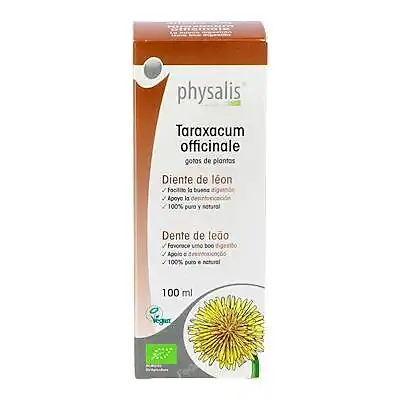
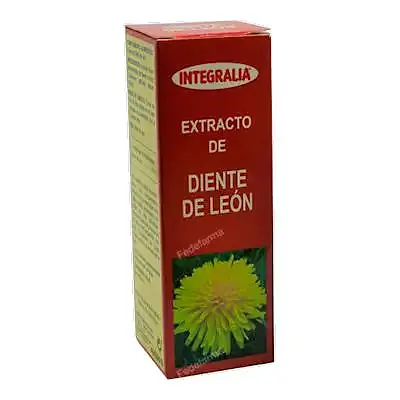
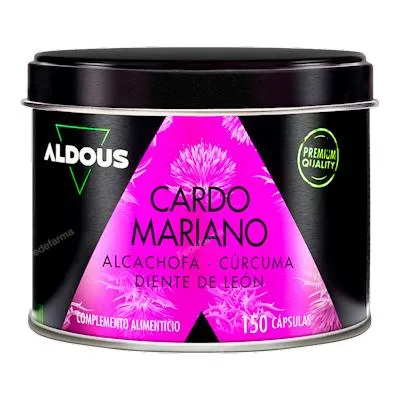
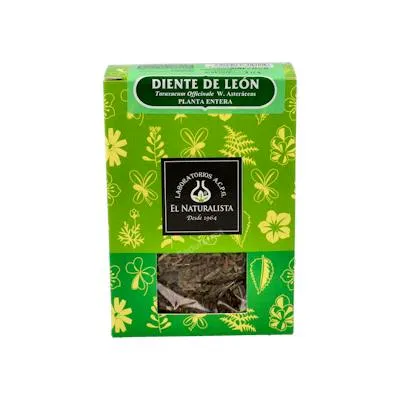
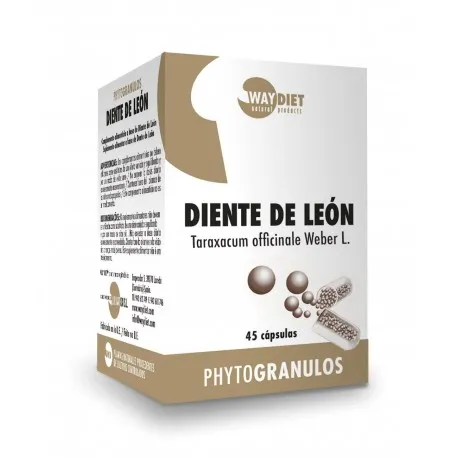
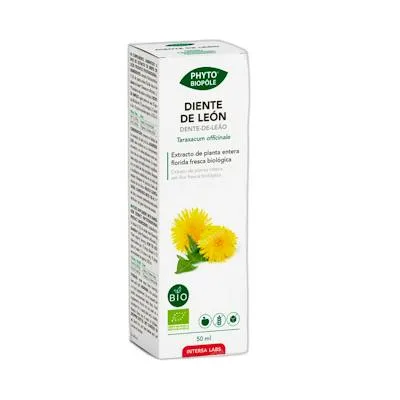
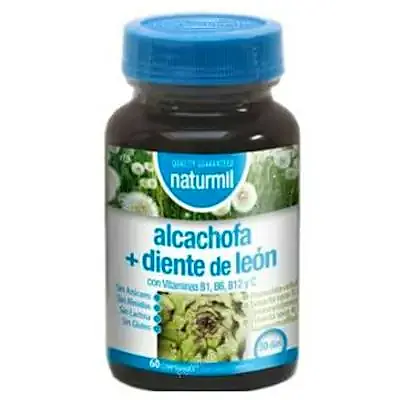
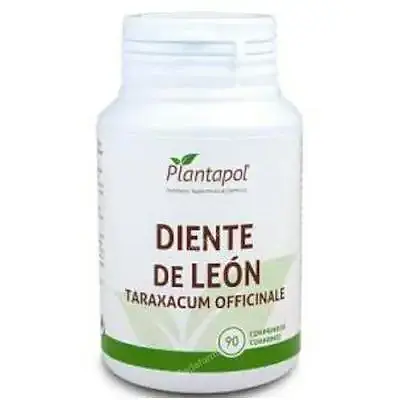
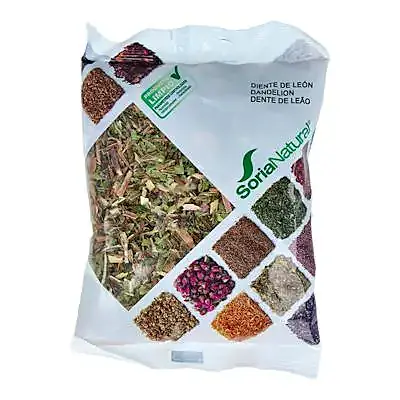
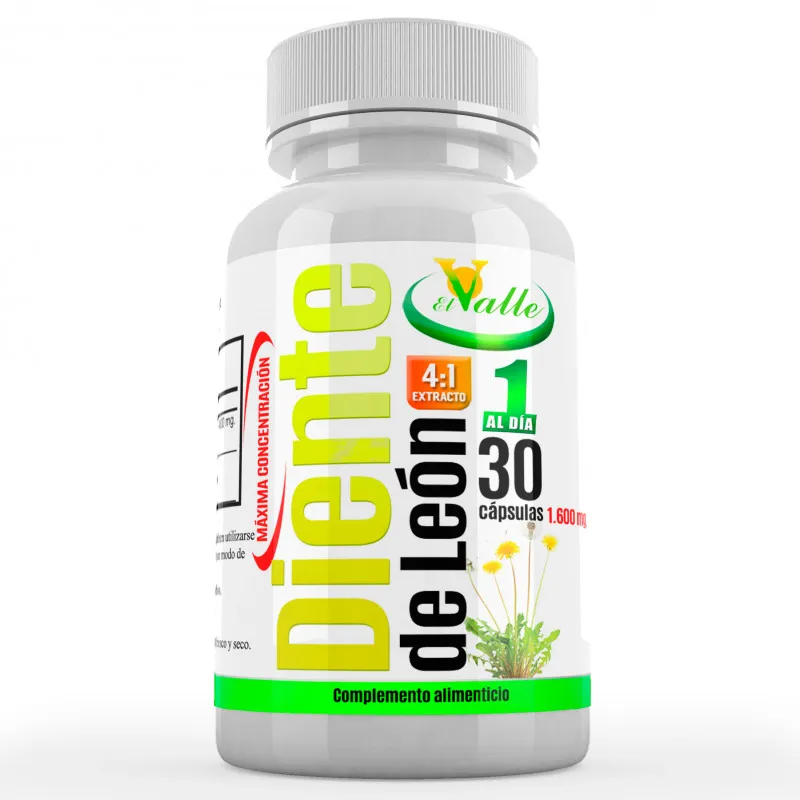
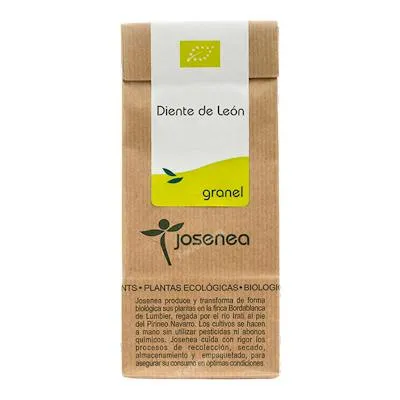
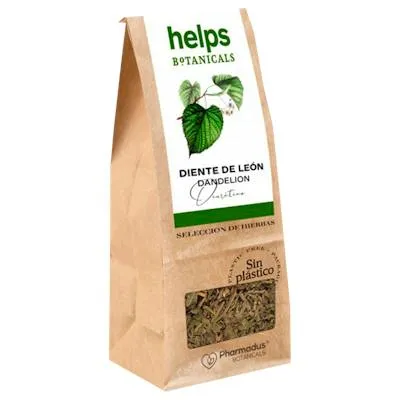
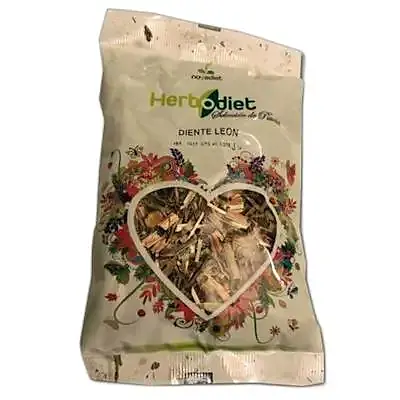
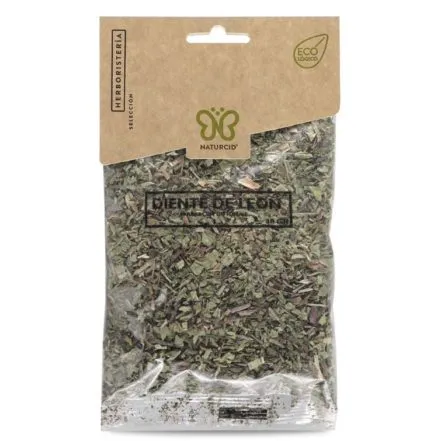
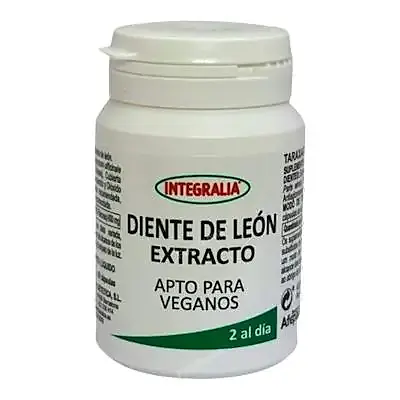
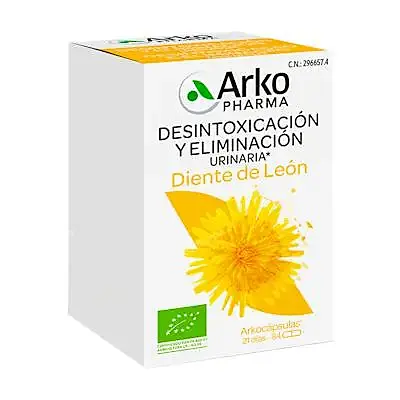
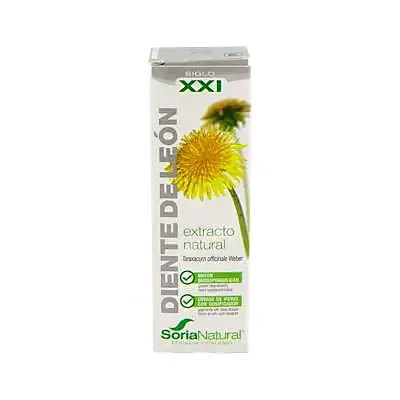
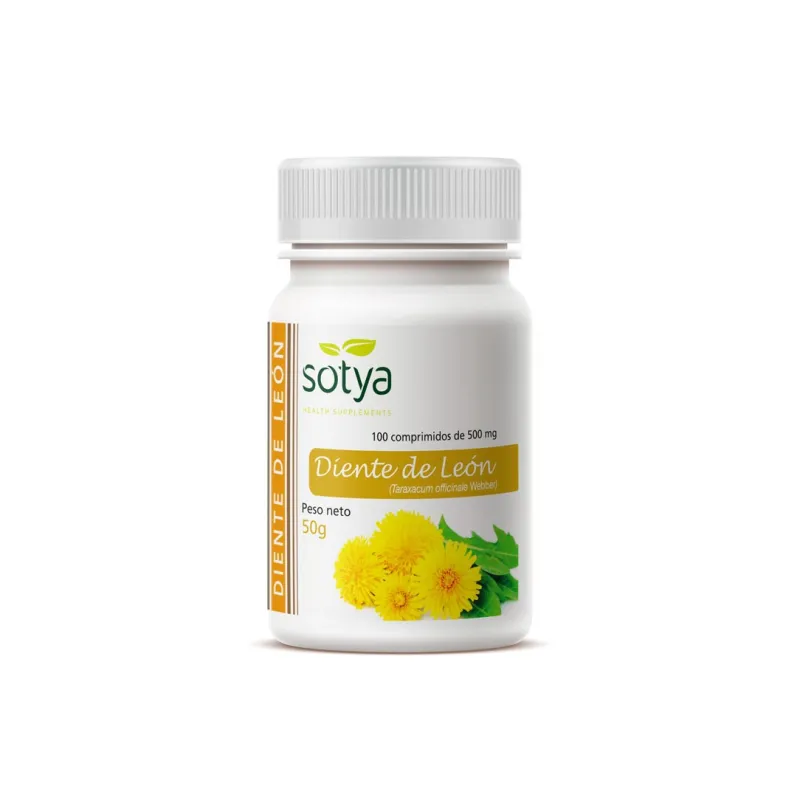
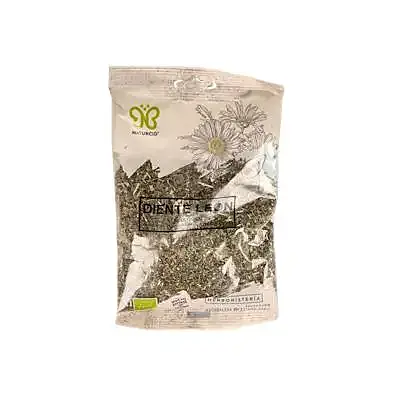
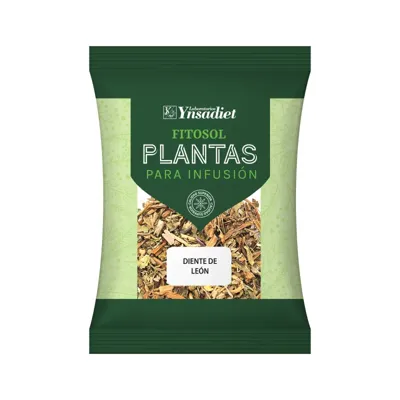
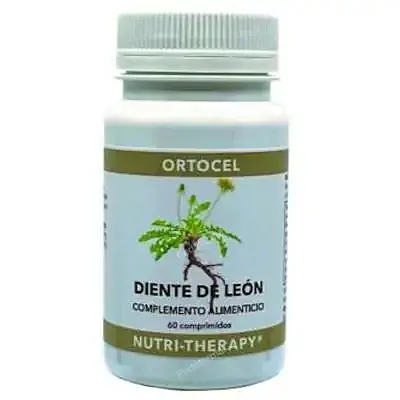
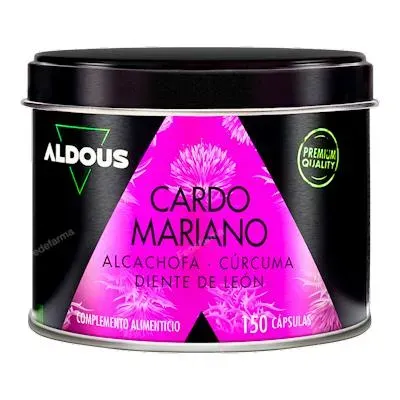
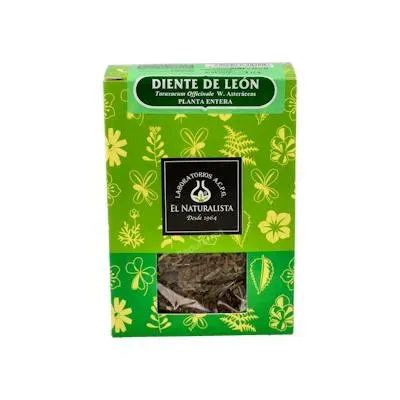
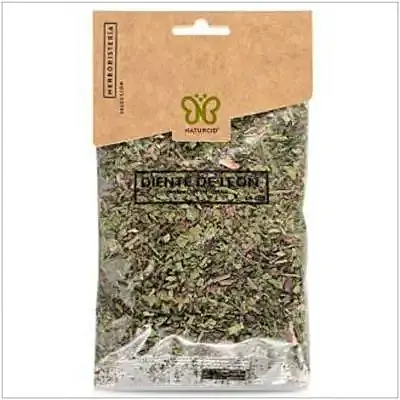
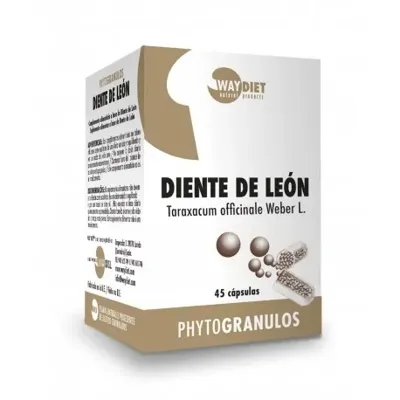
With dandelion, we have 36 products from 27 brands. From 1,55 €; half of them cost less than 10,69 €. Brands with the most products: Naturcid, Integralia, Arkopharma, Soria Natural, Sotya.
Why is it called dandelion?

For its toothed leaves, like lion's teeth: from the French dent de lion.
Which part is used?

The root and leaves, as infusion, extract or capsules.

Can you eat dandelion?

Yes. Young leaves in salads, large leaves cooked, and roasted root is used as a coffee substitute.

How do you make a root infusion?

By decoction: the chopped root is boiled for a few minutes and left to steep for 10.

What is the white latex it releases?

A milky sap found in its root and stems.