Envío gratis desde 40 € en la mayoría de productosHome delivery with tracking numberTe asesora una persona: 691 47 69 80 (teléfono y WhatsApp, L-V 10:00–14:00 y 17:00–20:00 · S 10:00–14:00 · D cerrado)You can get advice from a person by email: hola@vidaalnatural.esRecogida en la tienda de San Agustín14-day returnsSecure payment with Bizum, card (Visa, Mastercard, American Express), Apple Pay and Google PayTienda en San Agustín del GuadalixProtected shopping: encrypted connection across the whole siteEnvío gratis desde 40 € en la mayoría de productosHome delivery with tracking numberTe asesora una persona: 691 47 69 80 (teléfono y WhatsApp, L-V 10:00–14:00 y 17:00–20:00 · S 10:00–14:00 · D cerrado)You can get advice from a person by email: hola@vidaalnatural.esRecogida en la tienda de San Agustín14-day returnsSecure payment with Bizum, card (Visa, Mastercard, American Express), Apple Pay and Google PayTienda en San Agustín del GuadalixProtected shopping: encrypted connection across the whole site
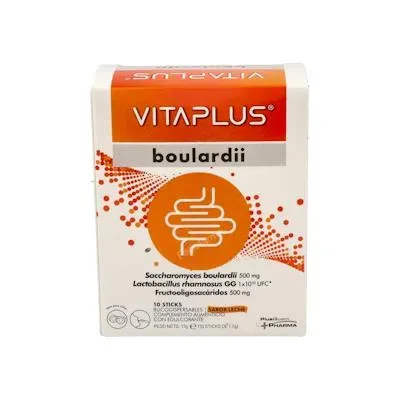
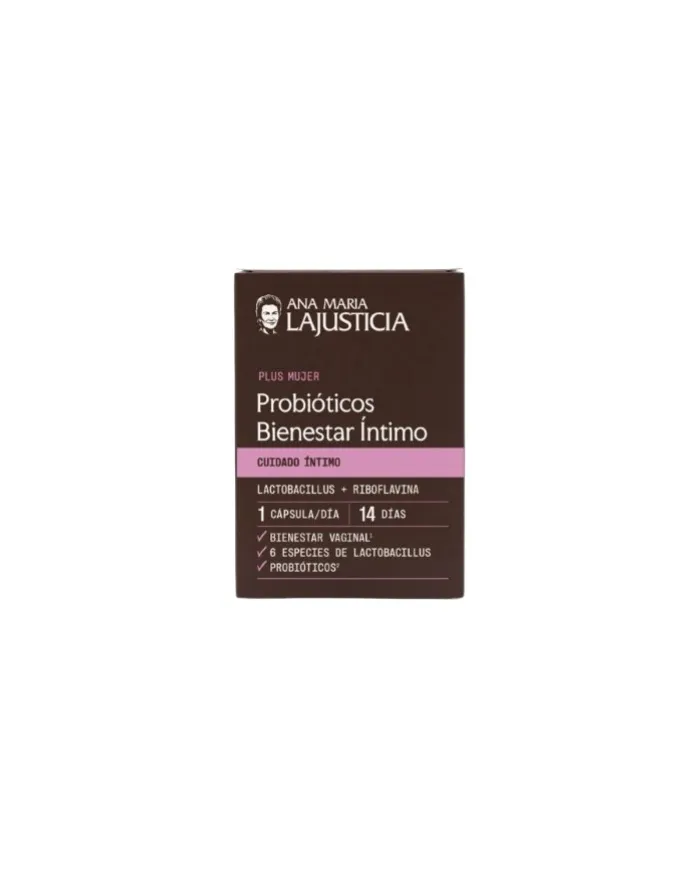
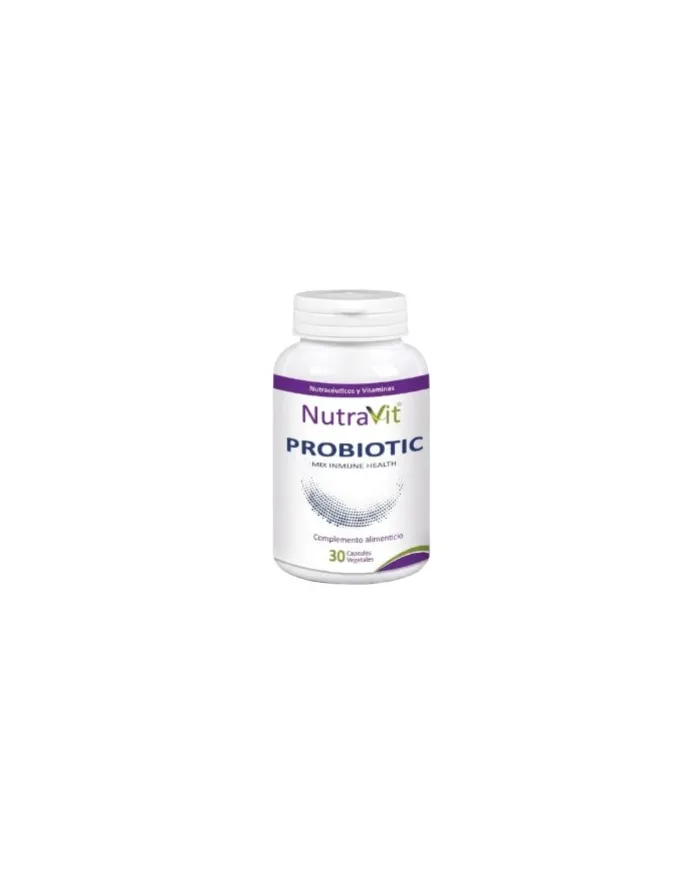
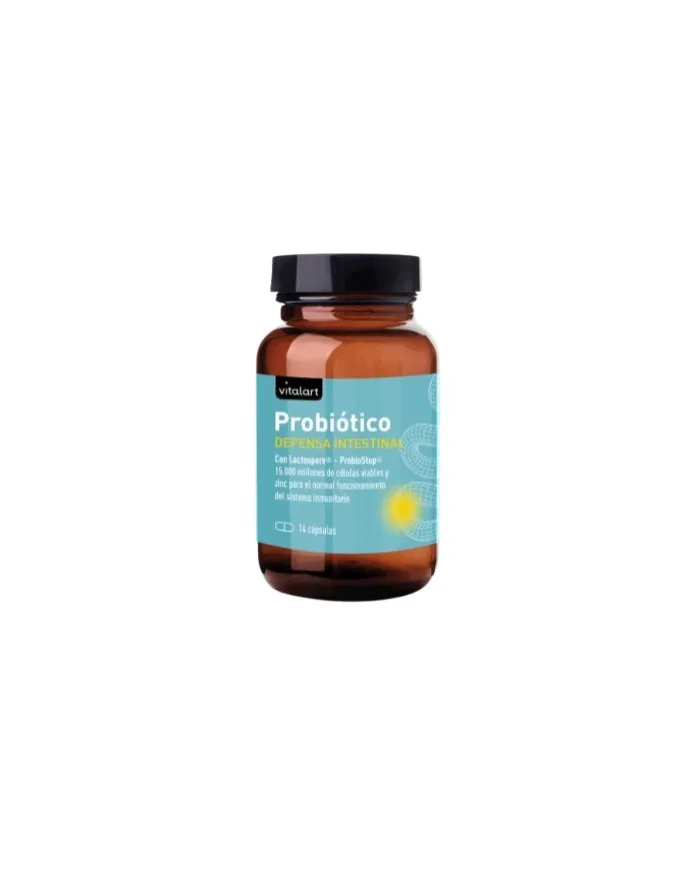
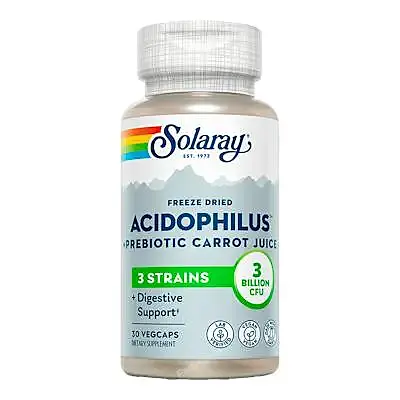
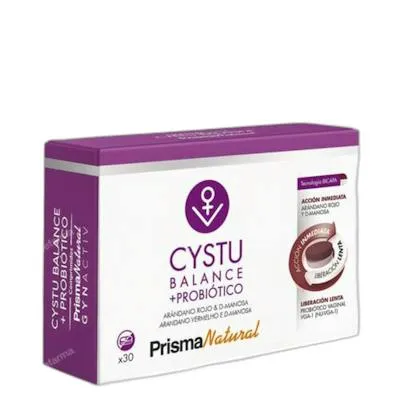
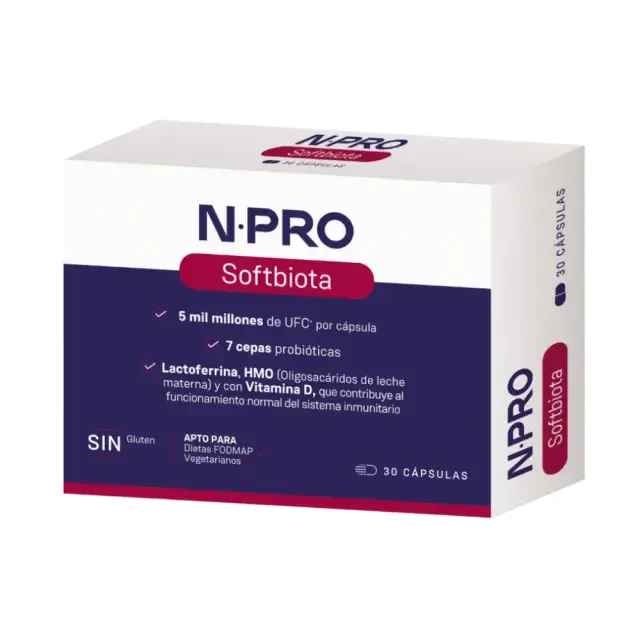
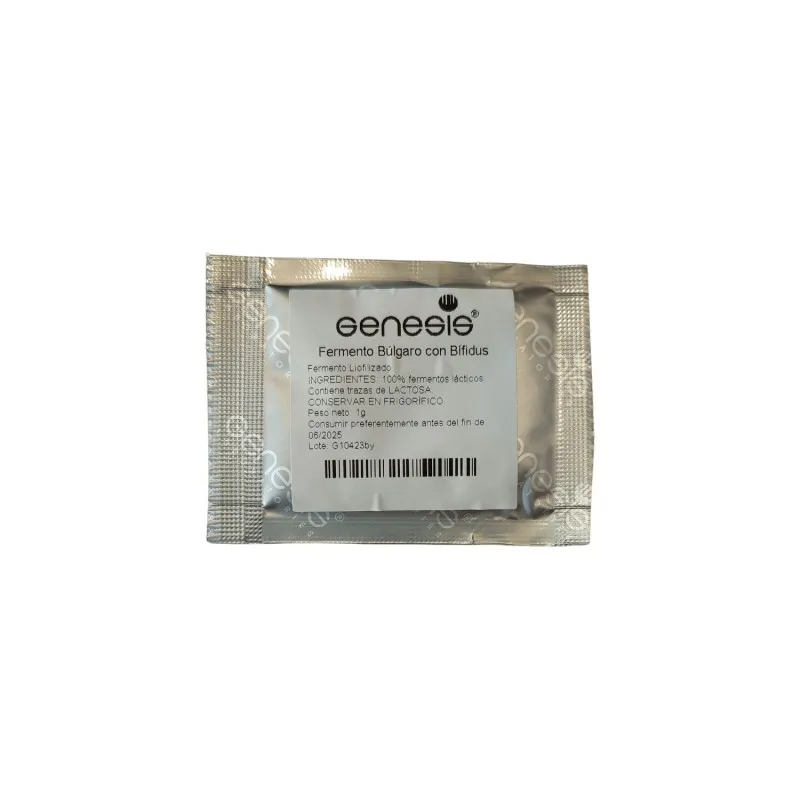
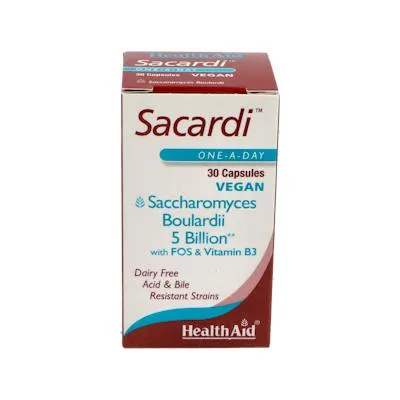
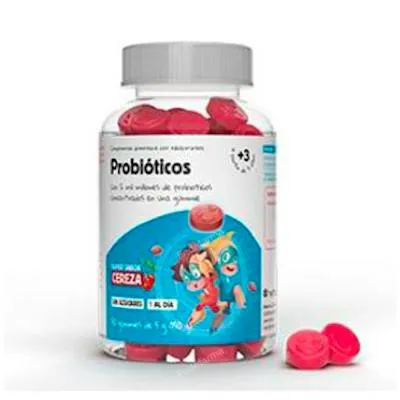
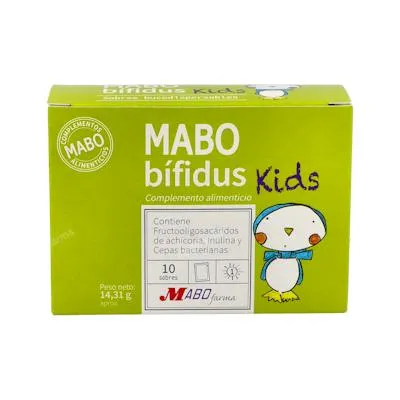
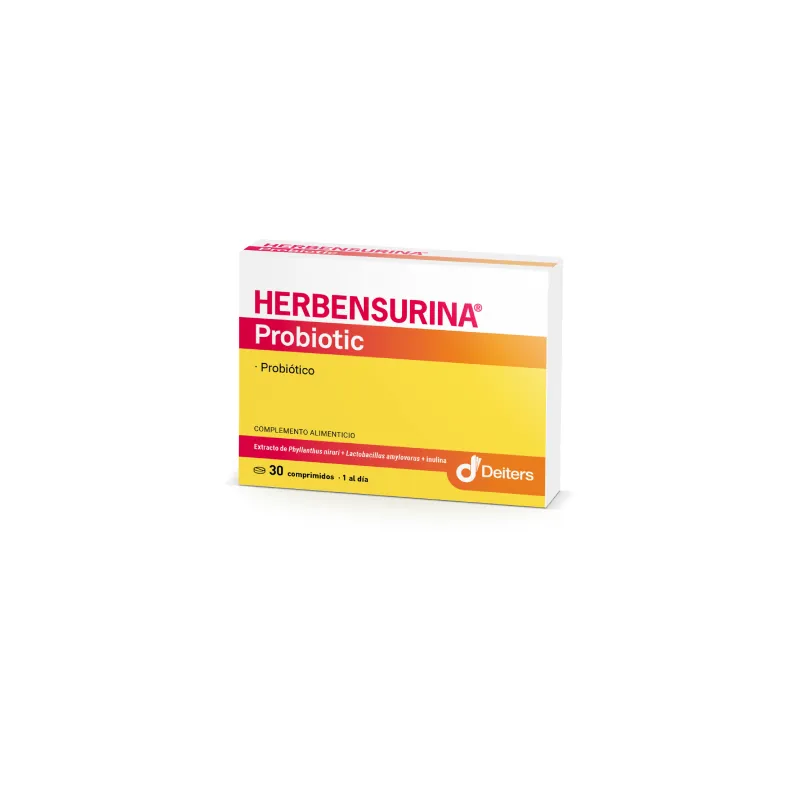
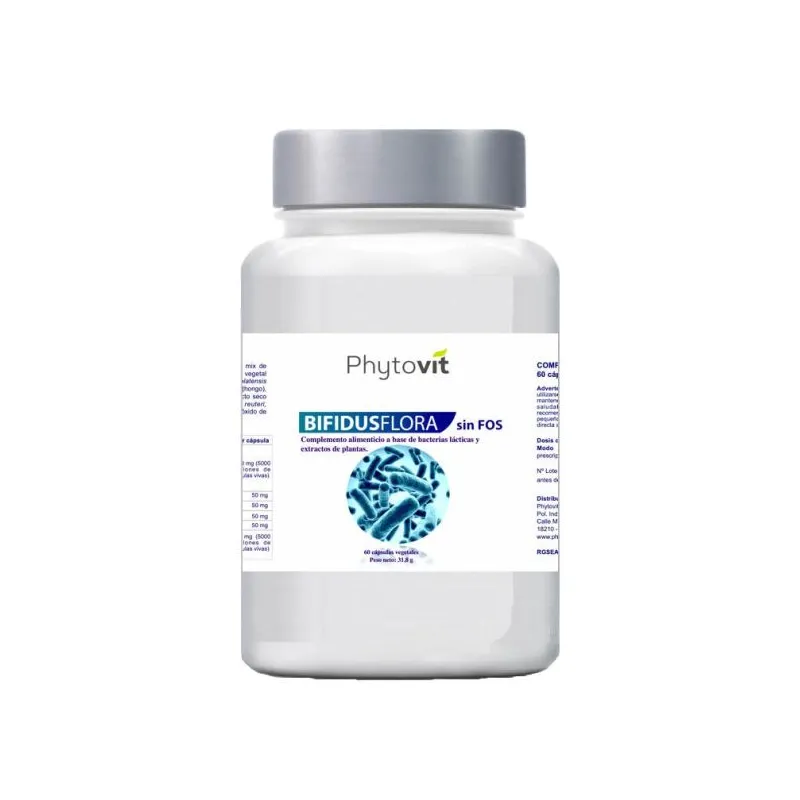
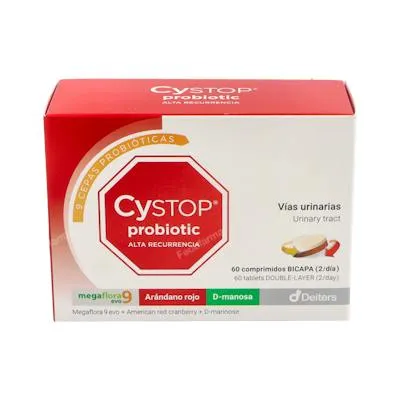
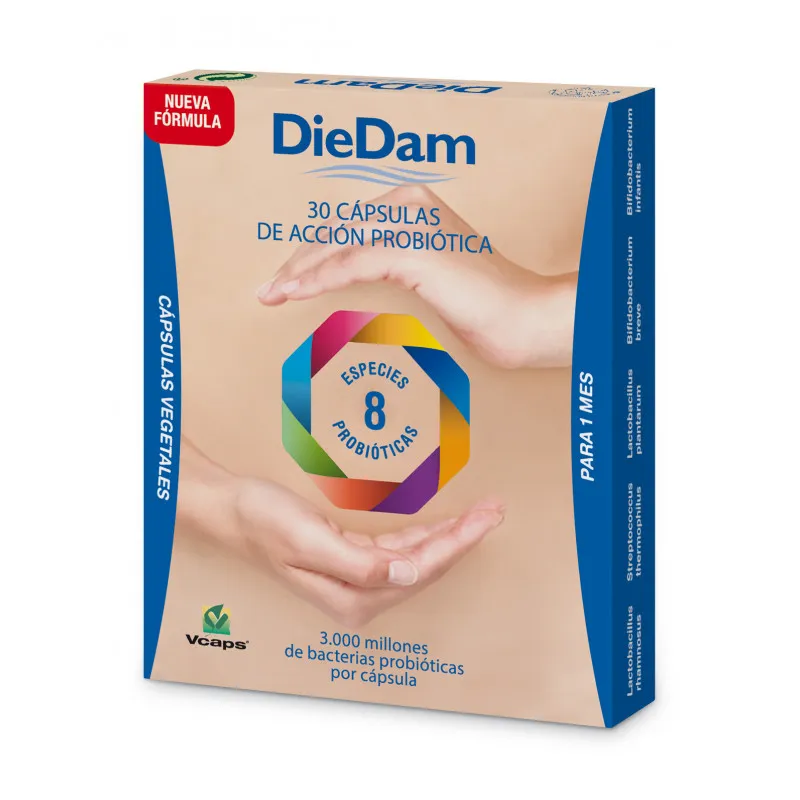
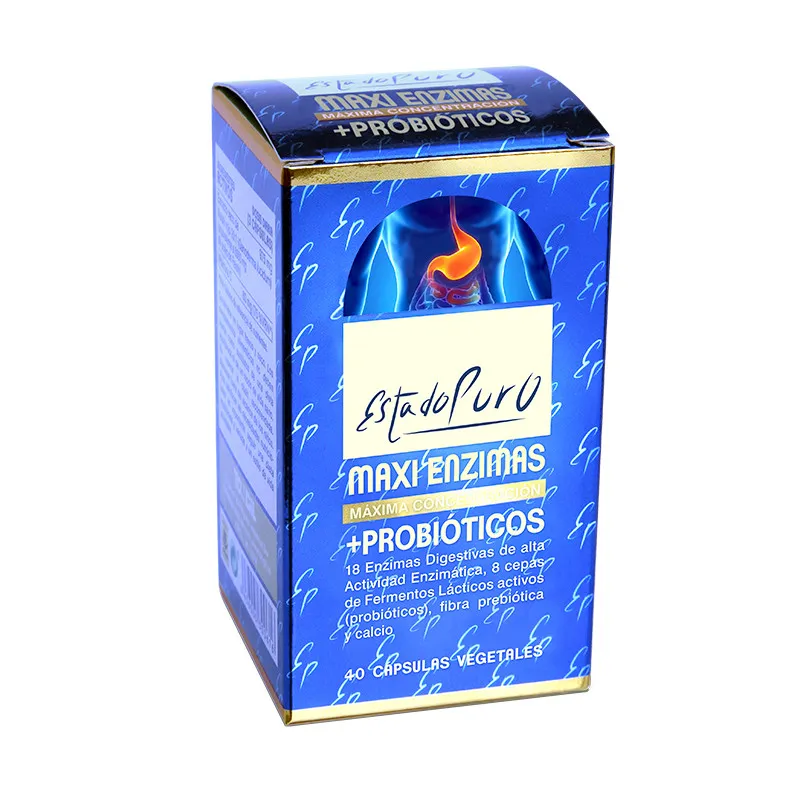
Under the name probiotics, supplements are sold containing live microorganisms: mainly bacteria of the genera Lactobacillus and Bifidobacterium, and the yeast Saccharomyces boulardii. Each product states on the label which strains it contains and how many colony-forming units (CFU) per dose. In the shop they come as capsules, sachets, tablets, drops and gummies, alone or with other ingredients.
Varieties
Under the name probiotics, live microorganisms are sold: mainly lactic acid bacteria of the genera Lactobacillus and Bifidobacterium, and the yeast Saccharomyces boulardii. Each species has many different strains, named with letters and numbers, and each product contains one or several. The quantity is counted in colony-forming units (CFU), often in billions per dose. Live bacteria are also found in fermented foods such as yogurt, kefir or sauerkraut.
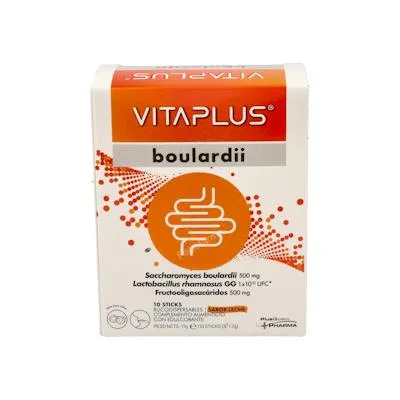
Those containing the yeast Saccharomyces boulardii are not for people with a central venous catheter, who are critically ill or have weakened defences, due to the risk of the yeast passing into the blood (fungemia), nor for those allergic to yeasts. Do not take them at the same time as oral antifungals, and do not mix them with very hot or cold drinks or foods or with alcohol, as they are living cells. During pregnancy and breastfeeding, consult first (Ultra-Levura technical data sheet, Saccharomyces boulardii, AEMPS). Check the label for milk or other allergens, which must be highlighted. As a food supplement: do not exceed the recommended daily dose; it does not replace a varied and balanced diet. Keep out of reach of young children.
Which products with probiotics do you have?
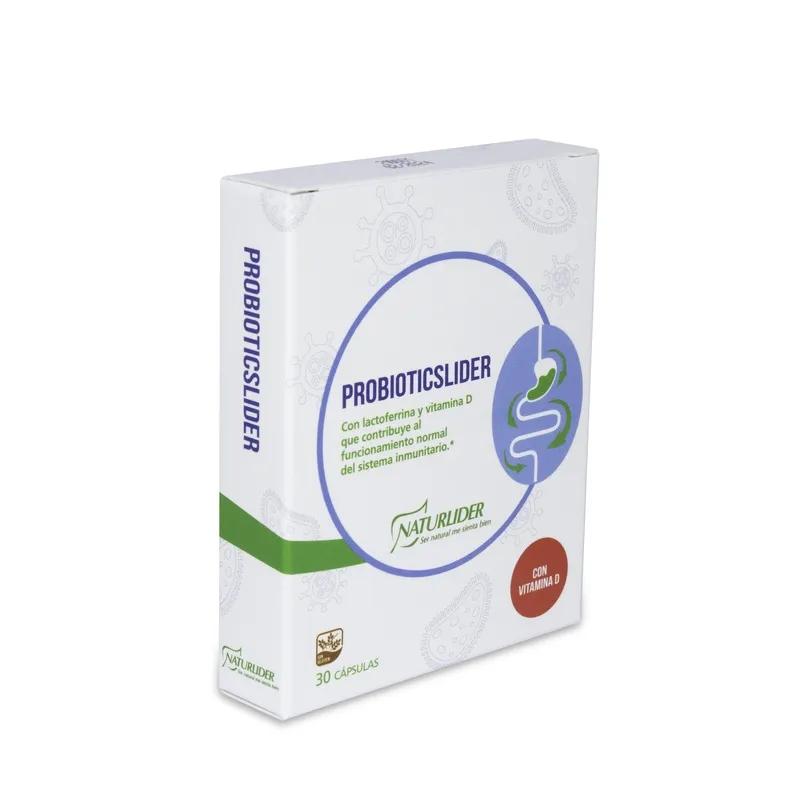
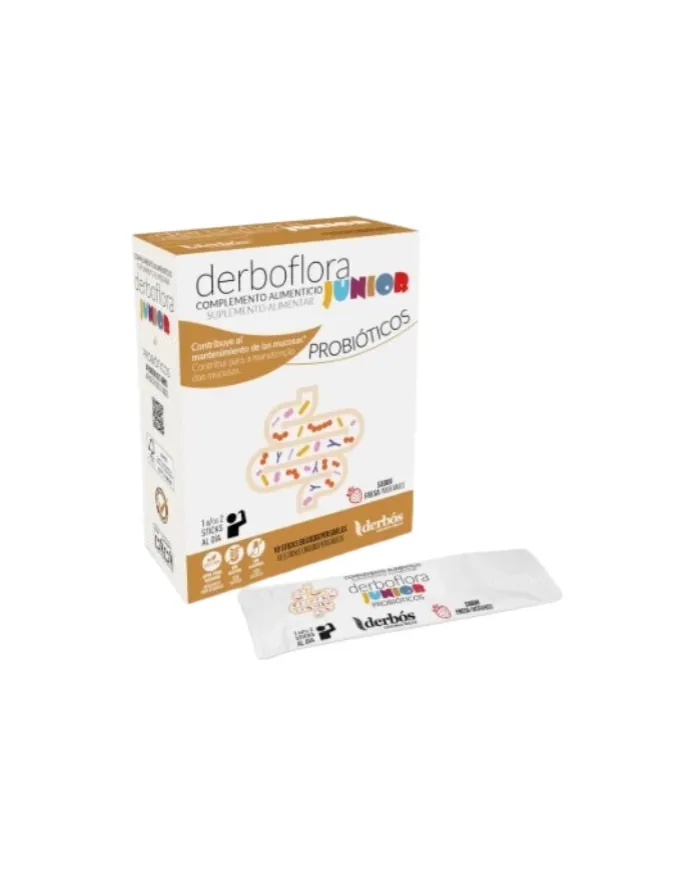
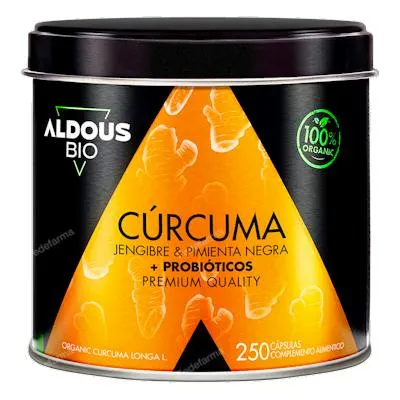
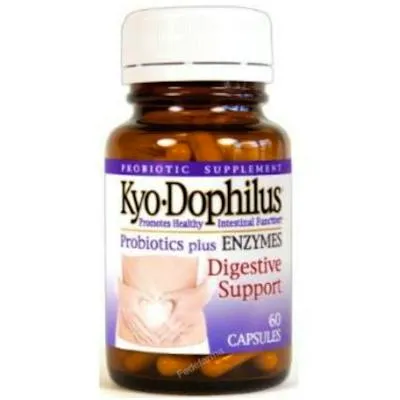
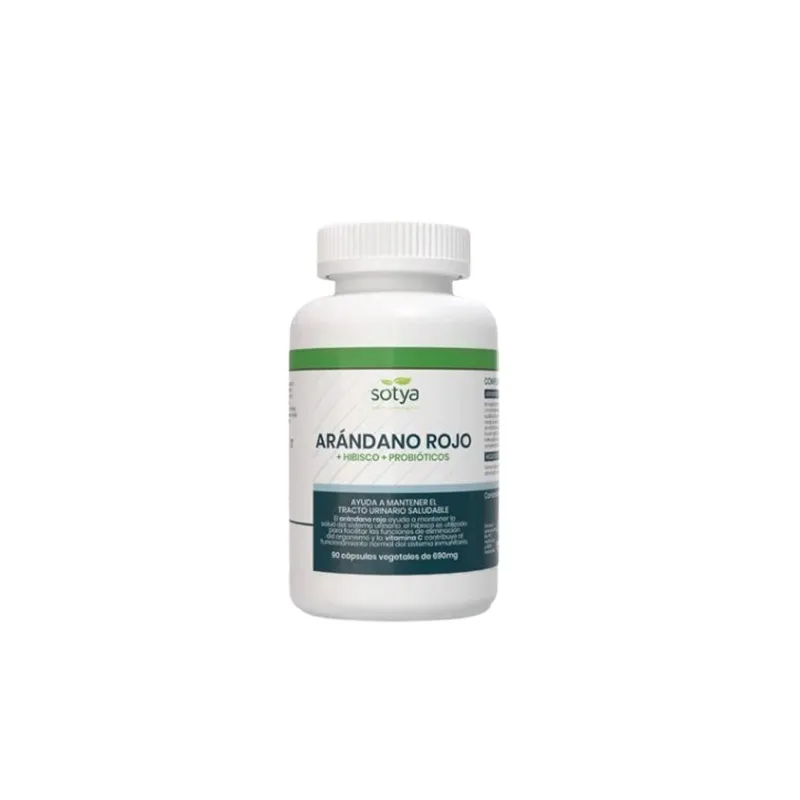
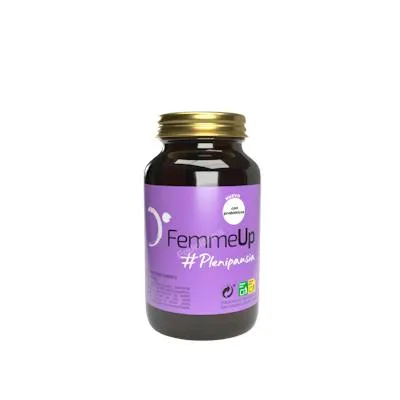
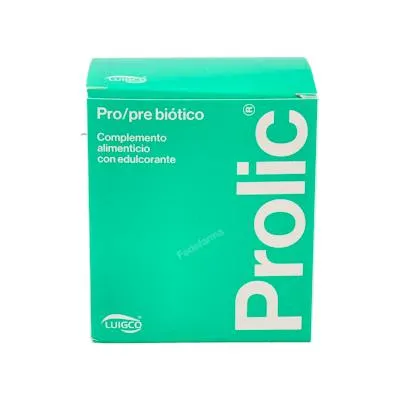
With probiotics, we have 145 products from 76 brands.From 4,05 €; half of them cost less than 20,83 €.Brands with the most products: Neo, Natures Plus, Solgar, Sakai, Aldous Bio.
What are CFUs?
Colony-forming units: the way of counting how many live microorganisms each dose contains.
What does the code after the name mean?
It is the strain. Two products with the same species may contain different strains.
Do they need to be kept in the fridge?
It depends on the product: check how the packaging asks for it to be stored.
Is Saccharomyces boulardii a bacterium?
No, it is a yeast, a relative of brewer's yeast.
Do they have authorised health claims in the European Union?
No. EFSA has rejected the applications it has received for probiotics.
With your permission we use Google Analytics cookies to learn which products interest you and which purchases come from Google. If you don't accept, nothing is loaded. How we use cookies