Envío gratis desde 40 € en la mayoría de productosHome delivery with tracking numberTe asesora una persona: 691 47 69 80 (teléfono y WhatsApp, L-V 10:00–14:00 y 17:00–20:00 · S 10:00–14:00 · D cerrado)You can get advice from a person by email: hola@vidaalnatural.esRecogida en la tienda de San Agustín14-day returnsSecure payment with Bizum, card (Visa, Mastercard, American Express), Apple Pay and Google PayTienda en San Agustín del GuadalixProtected shopping: encrypted connection across the whole site

Psyllium

Everything with psyllium in supplements, food, plants and infusions, with the advice of Vida al Natural, in San Agustín del Guadalix.

24 products

Plate from Vida al Natural · no. 99 of 108

What is psyllium (Plantago ovata)?

Psyllium or ispaghula is the husk of the seeds of Plantago ovata, a plant of the plantain family. It is very rich in fiber, which forms a gel with water. In the shop it comes as powder, flakes and capsules, alone or with other fibers.

Varieties

Psyllium, also called ispaghula or isabgol, is the husk of the seeds of several Plantago species, mainly Plantago ovata, blond psyllium. It is almost all soluble fiber: it swells with water and forms a gel. Almost all that is sold comes from India, mainly from Gujarat. It is taken as powder, flakes or capsules, and it is also used in gluten-free baking.

What the European Medicines Agency says

The EMA concludes, based on clinical studies (well-established use), that ispaghula seed husk (Plantago ovata) can be used for habitual constipation, when it is advisable to soften the stools so that going to the toilet hurts less (anal fissures, hemorrhoids or after an anal or rectal operation), and when it is advisable to take more fiber per day, as in irritable bowel with constipation or alongside diet when cholesterol is high. It is always taken with plenty of liquid (about 30 ml of water per gram), during the day and not just before going to bed. For constipation and softening the stools, from 6 years of age; to take more fiber, from 12. If constipation persists after 3 days, consult a doctor or pharmacist, and for high cholesterol, always under medical supervision.

The EMA refers to medicines based on this plant alone: food supplements, infusions sold as food and mixtures with other plants are not medicines. Source: European Medicines Agency (EMA), Plantaginis ovatae seminis tegumentum.
Parts used

  • The husk

    The thin outer coat of the seed: the part richest in mucilage. It is what is called psyllium husk.

  • The whole seed

    Small and pinkish-blond in color. The EMA also has a monograph for the seed.

  • The plant

    A low herb of the plantain family, native to the Mediterranean and cultivated in India.

Psyllium formats and how to use them

Products and prices are those in the shop today. Always follow the directions for use on each product's label.

Products

How to choose psyllium

  • Check whether it is husk or whole seed: the husk contains more fibre.
  • For gluten-free baking, look for one that says "gluten-free".
  • Some brands provide the heavy metal analysis for each batch: ask for it if you are going to take it daily.
  • Check whether it is on its own or with FOS or other fibres.

History and tradition

  1. India

    Isabgol is its common name in India, where it has been taken for generations.

  2. 1937

    The Sat-Isabgol brand is sold in India and is still taken.

  3. 20th century

    It is sold worldwide as a powdered fibre.

  4. Today

    The EMA has monographs on psyllium husk and psyllium seed.

Psyllium around the world

  • India

    It dominates world production and exports; almost all of it is shipped from Gujarat.

  • Europe and Russia

    Plantago ovata and Plantago indica are also cultivated.

  • United States

    In California, a 2013 agreement required a lead warning on the label of some products.

What it pairs with

  • With FOS or other fibres: in fibre blends.
  • Flaxseed: With flaxseed, for baking and in mixes.
  • Probiotics: In some combined formulas.

Sources for this page: EMA, Plantaginis ovatae seminis tegumentum (psyllium seed husk); Psyllium, Wikipedia in English; Plantago ovata, Wikipedia in English.

Frequently asked questions

What is psyllium used for?

The EMA concludes, based on clinical studies (well-established use), that ispaghula seed husk (Plantago ovata) can be used for habitual constipation, when it is advisable to soften the stools so that going to the toilet hurts less (anal fissures, hemorrhoids or after an anal or rectal operation), and when it is advisable to take more fiber per day, as in irritable bowel with constipation or alongside diet when cholesterol is high. It is always taken with plenty of liquid (about 30 ml of water per gram), during the day and not just before going to bed. For constipation and softening the stools, from 6 years of age; to take more fiber, from 12. If constipation persists after 3 days, consult a doctor or pharmacist, and for high cholesterol, always under medical supervision. The EMA refers to medicines based on this plant alone: food supplements, infusions sold as food and mixtures with other plants are not medicines. Source: European Medicines Agency (EMA), Plantaginis ovatae seminis tegumentum.
What precautions does psyllium have?

Always take it with plenty of water: with little liquid it can block the throat, the esophagus or the intestine, with chest pain, vomiting or difficulty swallowing or breathing. It may cause gas and bloating. It may cause allergy (rhinitis, conjunctivitis, bronchospasm and, occasionally, serious reactions); with the powder, avoid breathing it in. Do not take it if you have a sudden change in bowel rhythm lasting more than 2 weeks, blood in the stools without a diagnosis, you have not had a bowel movement after a laxative, a narrowing or obstruction of the intestine, or problems swallowing or with your throat. Stop and consult if you have stomach pain. Separate it by half an hour to an hour from other medicines, minerals or vitamin B12. If you have diabetes or take thyroid hormone, only under medical supervision. In elderly or frail people, under medical supervision (EMA monograph, Plantaginis ovatae seminis tegumentum).

Which products with psyllium do you have?

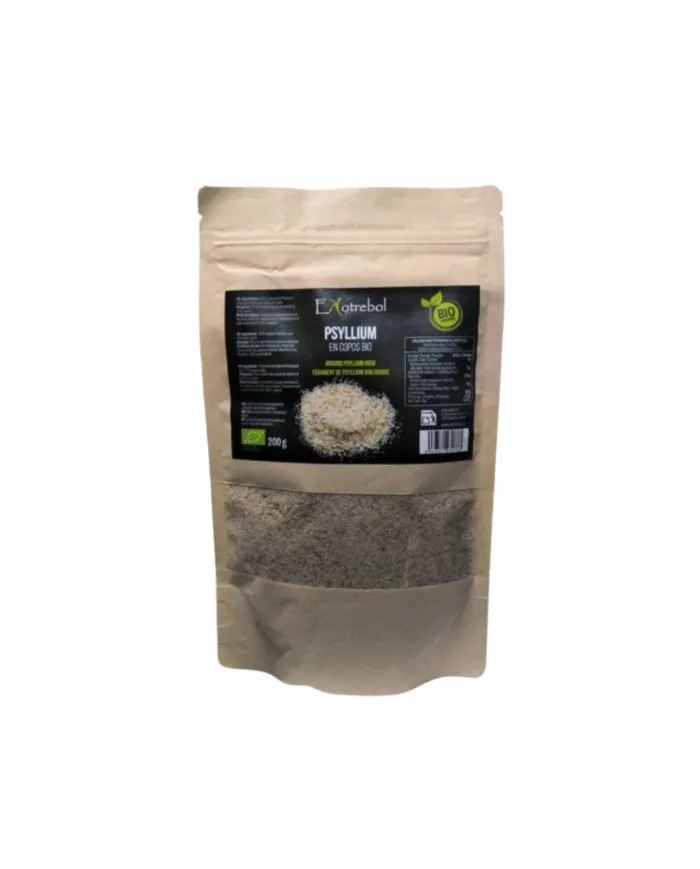
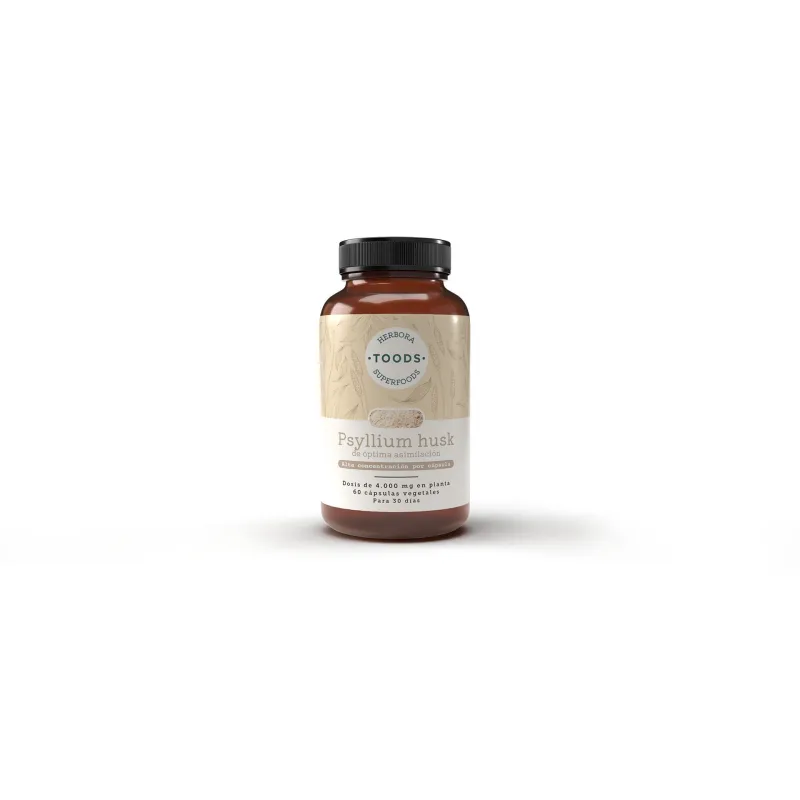
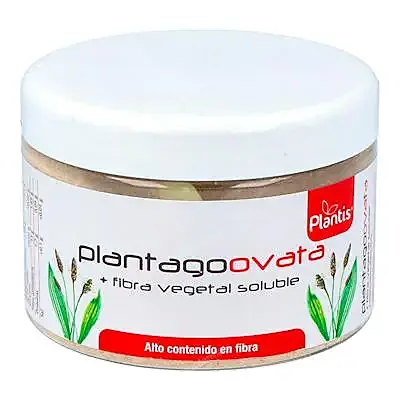
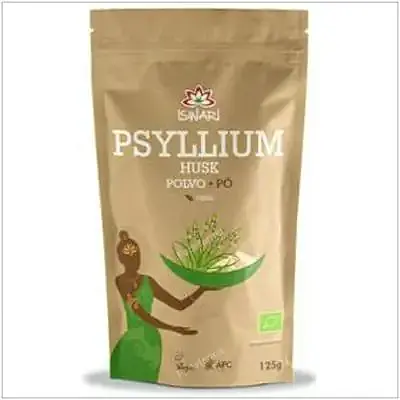
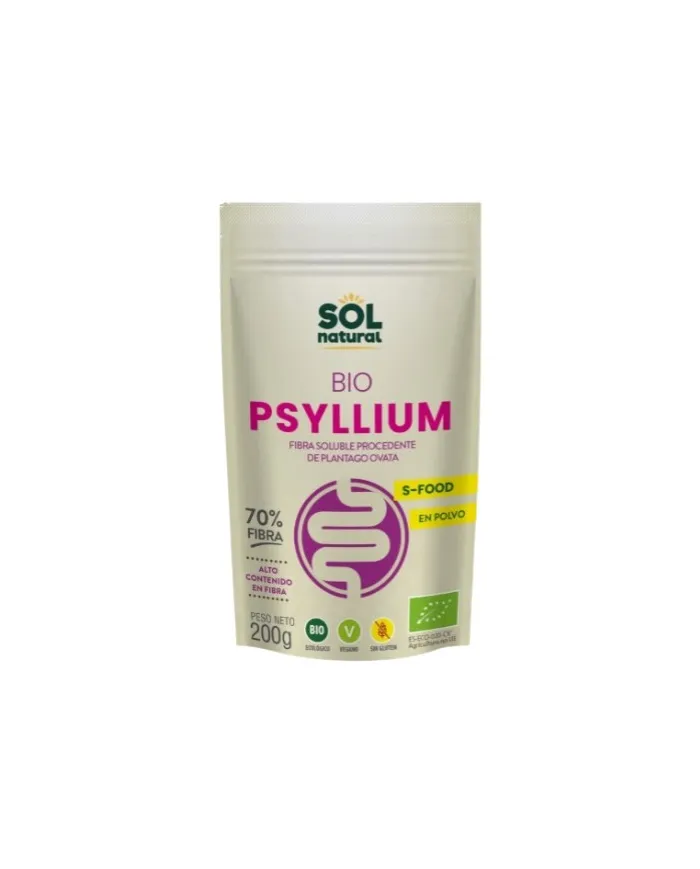
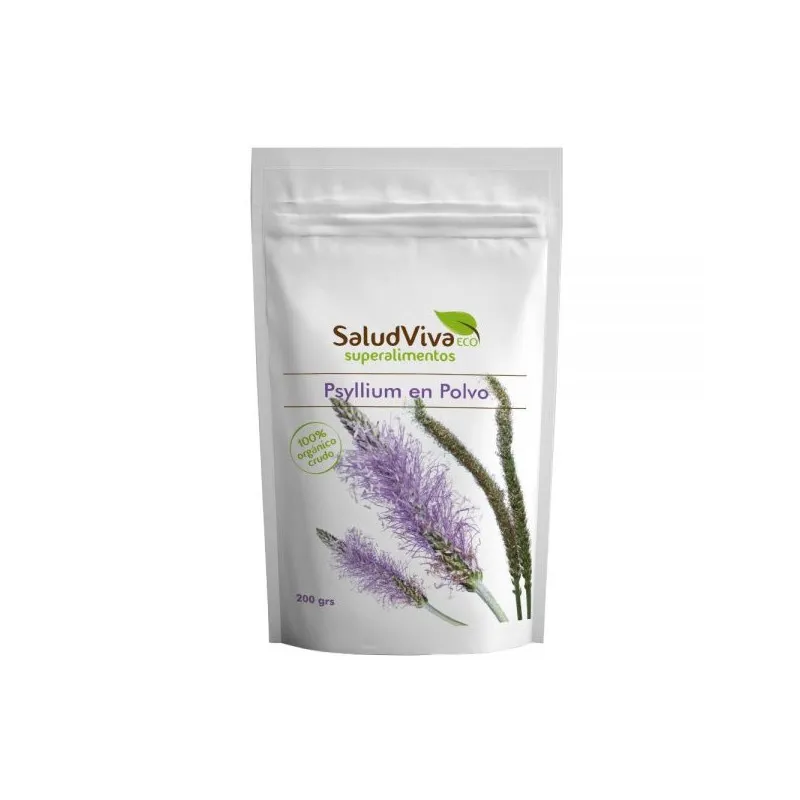
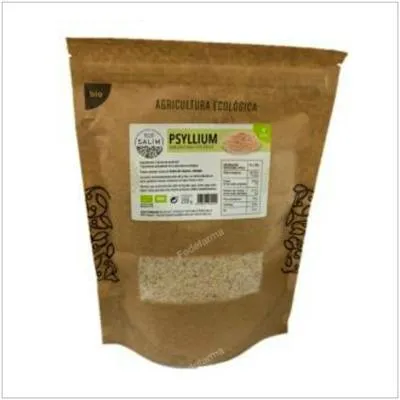
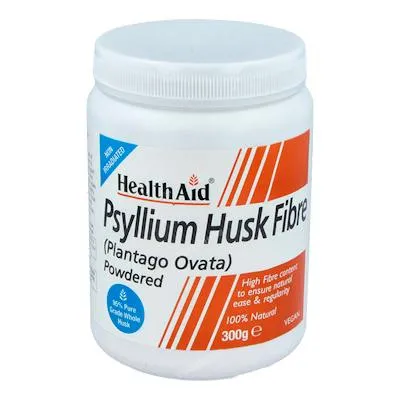
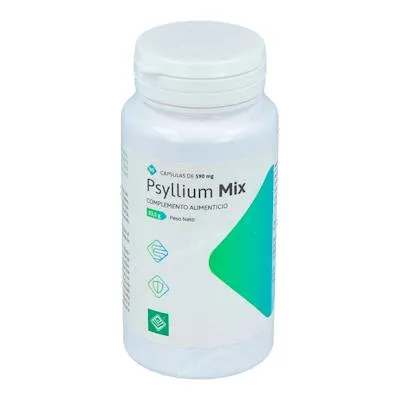
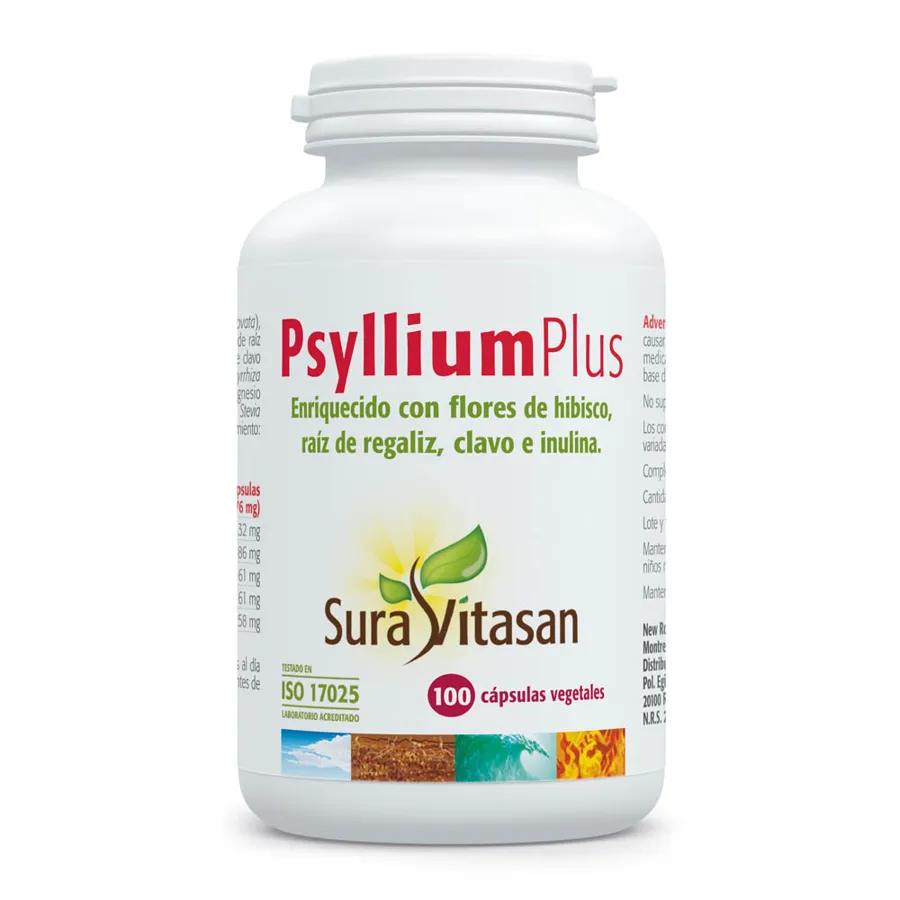
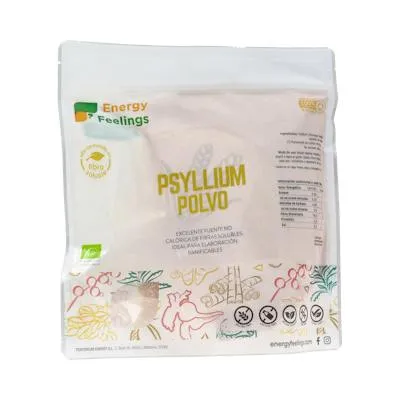
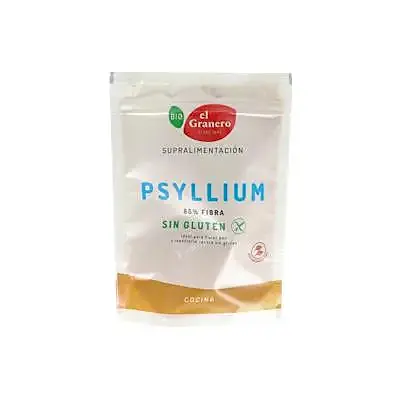
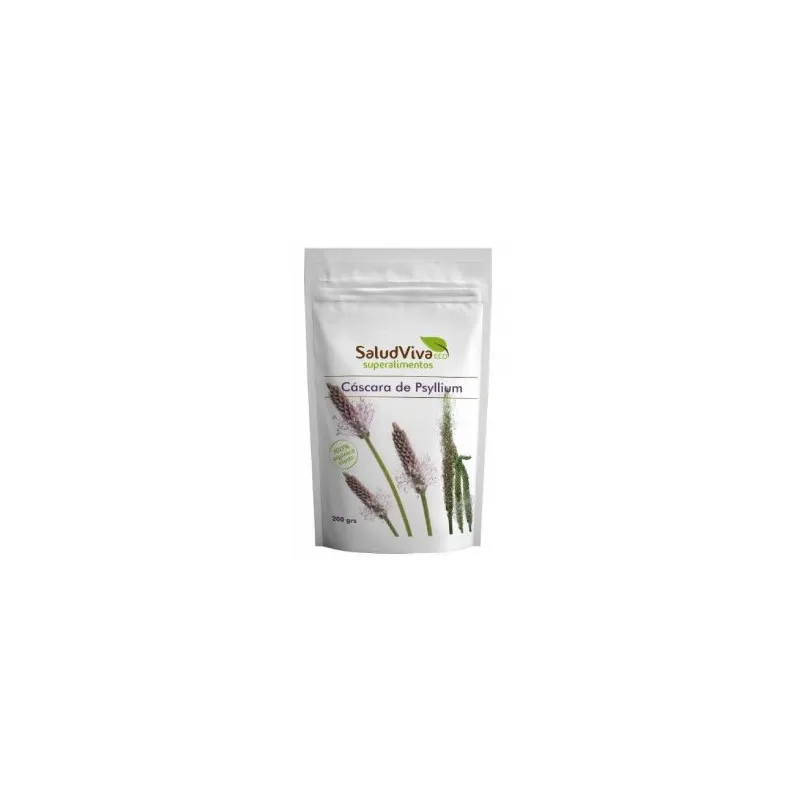
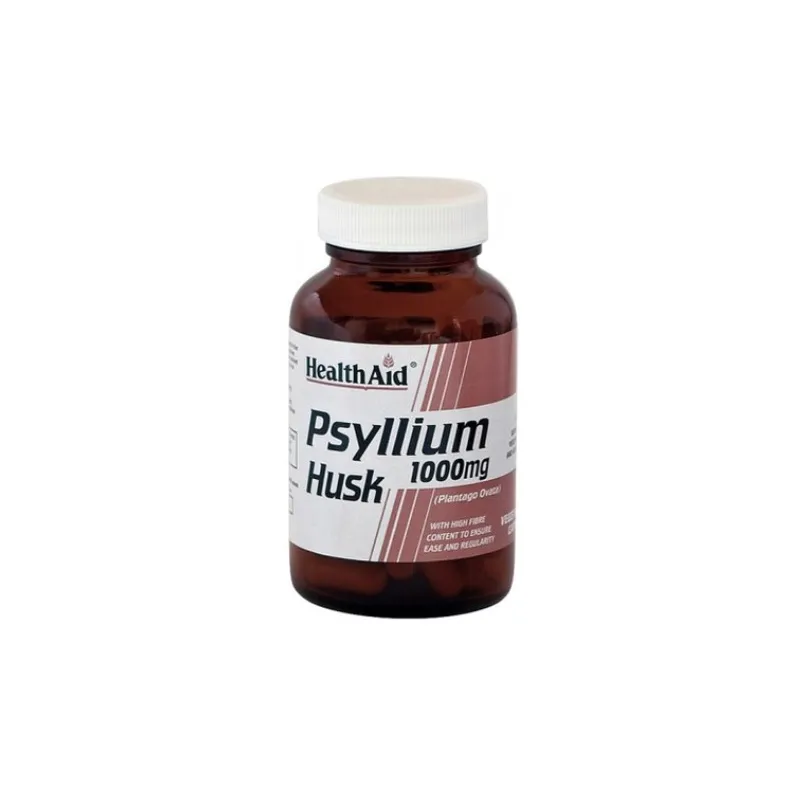
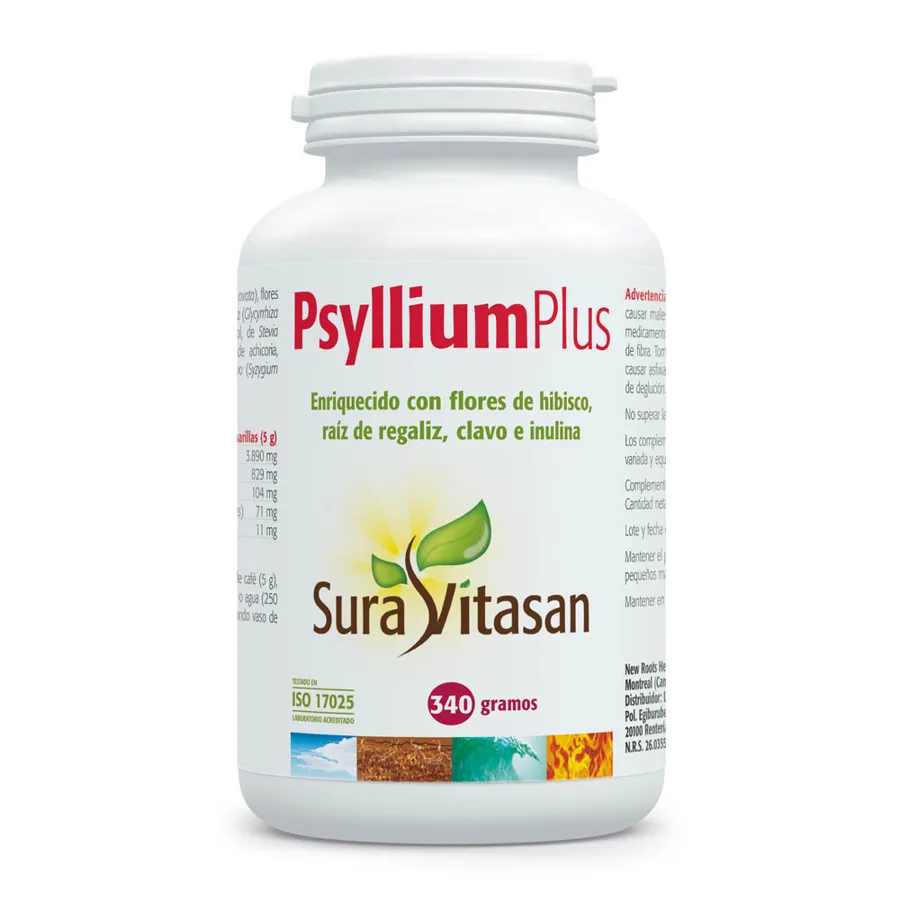
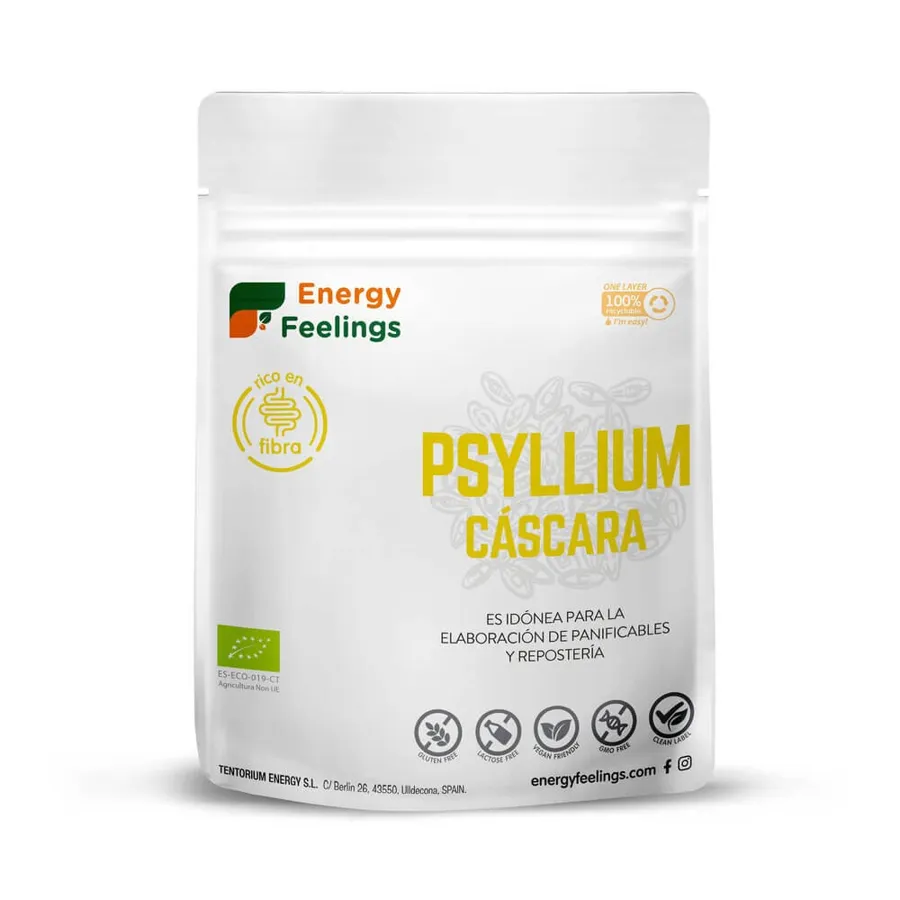
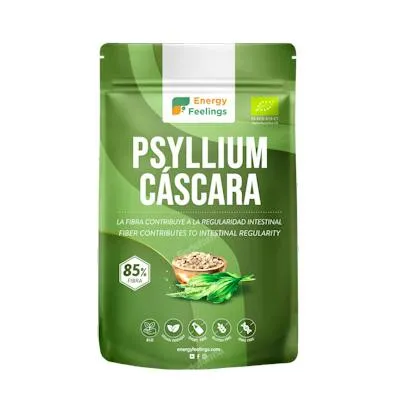
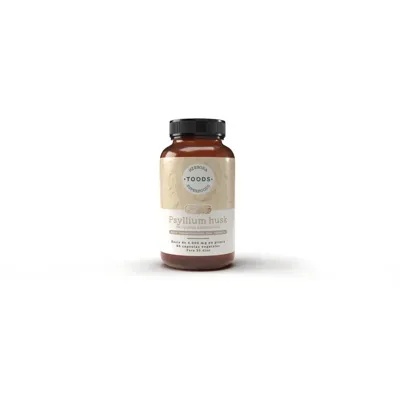
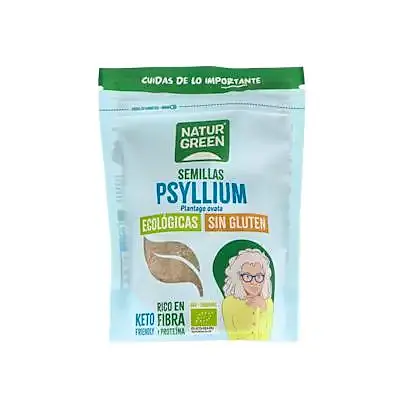
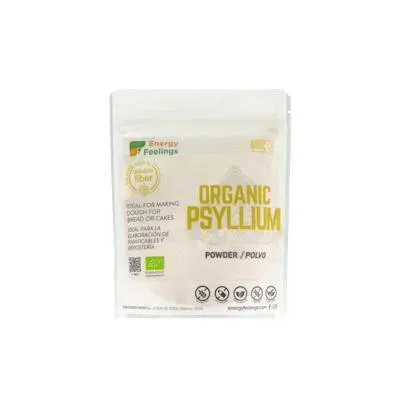
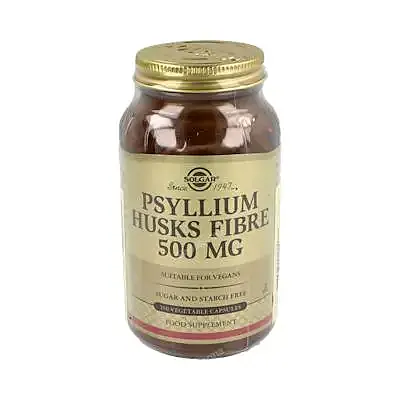
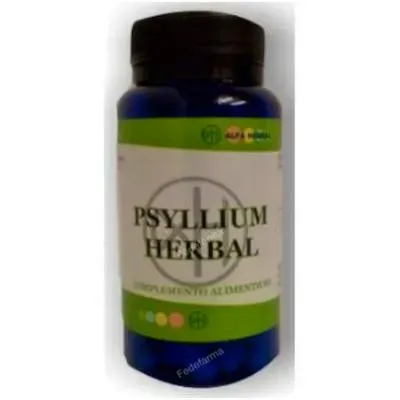
With psyllium, we have 24 products from 16 brands. From 5,18 €; half of them cost less than 12,90 €. Brands with the most products: Energy Feelings, El Granero, Salud Viva, Health Aid, Sura Vitasan.

Are psyllium, ispaghula and isabgol the same?

Yes, they are names for the husk of the seeds of Plantago ovata.

How is psyllium powder taken?

A teaspoon in a large glass of water, stirring, and drink right away, before it thickens. Then, another glass of water.

What is in the kitchen used for?

To give texture to bread and gluten-free baking, bind meatballs and thicken sauces.

Why does it become thick?

Its soluble fiber absorbs water and forms a gel.

What is psyllium husk?

The seed husk, in English. It is the part richest in fiber.