Envío gratis desde 40 € en la mayoría de productosHome delivery with tracking numberTe asesora una persona: 691 47 69 80 (teléfono y WhatsApp, L-V 10:00–14:00 y 17:00–20:00 · S 10:00–14:00 · D cerrado)You can get advice from a person by email: hola@vidaalnatural.esRecogida en la tienda de San Agustín14-day returnsSecure payment with Bizum, card (Visa, Mastercard, American Express), Apple Pay and Google PayTienda en San Agustín del GuadalixProtected shopping: encrypted connection across the whole site

Fennel

Everything about fennel in plants and infusions, supplements and food, with the advice of Vida al Natural, in San Agustín del Guadalix.

38 products

Plate from Vida al Natural · no. 98 of 108

What is fennel (Foeniculum vulgare)?

Fennel is a plant of the carrot family, with yellow umbel flowers, that grows on the shores of the Mediterranean. Its fruits, called fennel seeds, smell of anise and are used in cooking and as an infusion.

Varieties

Fennel (Foeniculum vulgare) is a perennial plant of the carrot family, with very fine feathery leaves and yellow umbel flowers. It is native to the shores of the Mediterranean and grows wild in ditches and dry ground. There is sweet and bitter fennel, and Florence fennel, with a thickened leaf base, which is eaten as a vegetable. Its anise aroma comes from anethole. In herbalism its fruits are used, which we call seeds.

What the European Medicines Agency says

Based on its traditional use, the EMA concludes that sweet fennel fruit, crushed or powdered, in infusion, tablets or capsules, may be used for symptoms of mild stomach and intestinal discomfort with cramps, such as bloating and gas, for mild menstrual cramps, and as an expectorant (helps expel mucus) in the cough of colds. In adults and adolescents it should not be taken for more than 2 weeks; between 4 and 12 years only for passing discomfort and for less than a week, and it is not recommended under 4 years of age. If symptoms persist or worsen, consult a doctor. The conclusion refers to the fruit, not the essential oil.

The EMA refers to medicines based on this plant alone: food supplements, infusions sold as food and mixtures with other plants are not medicines. Source: European Medicines Agency (EMA), Foeniculi dulcis fructus.
Parts used

  • The fruits

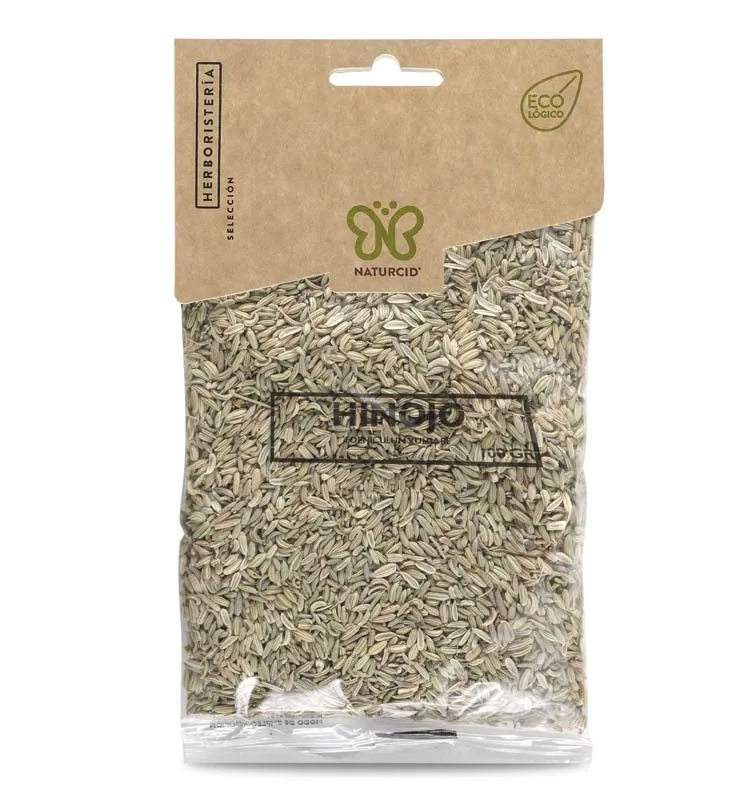
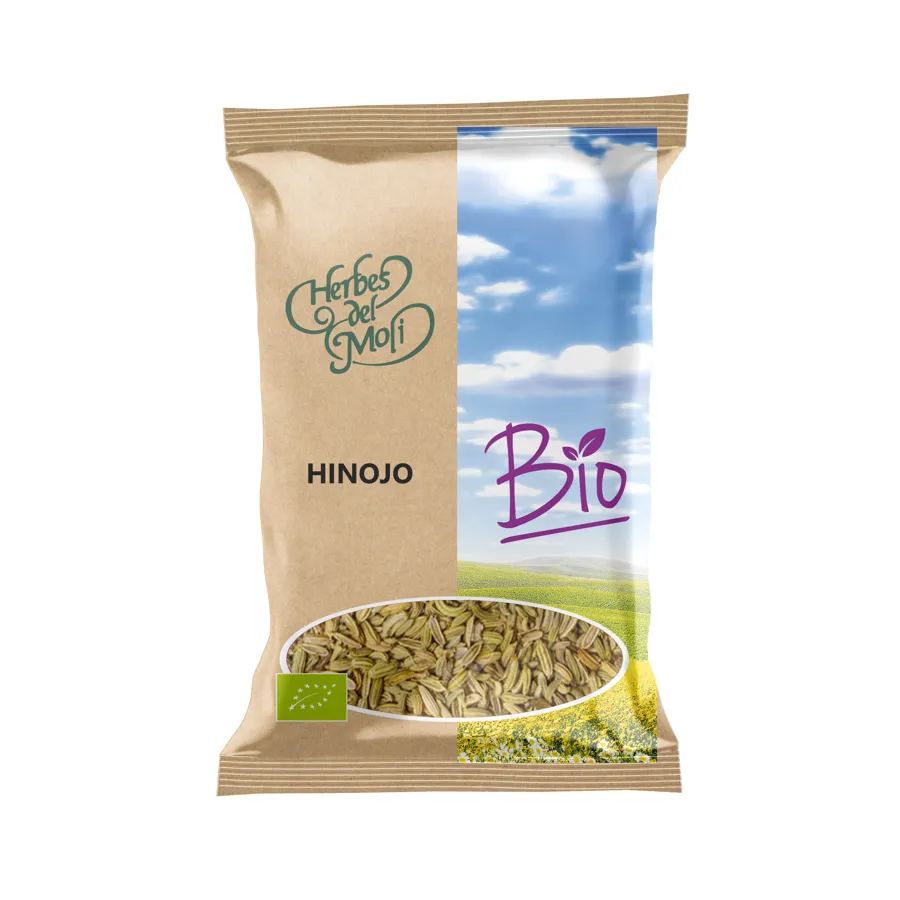
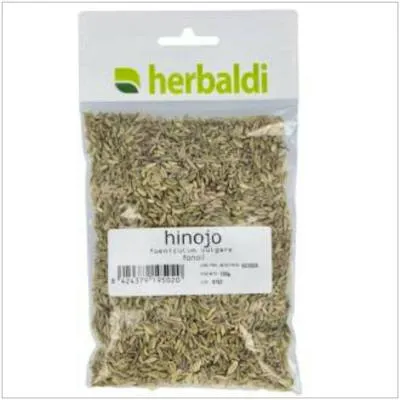
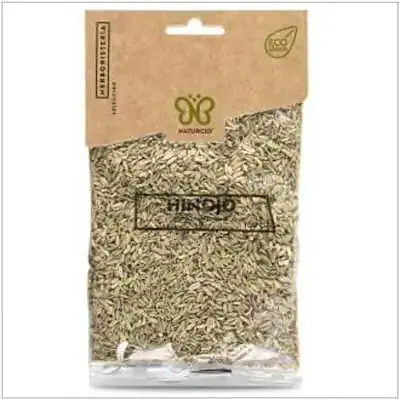
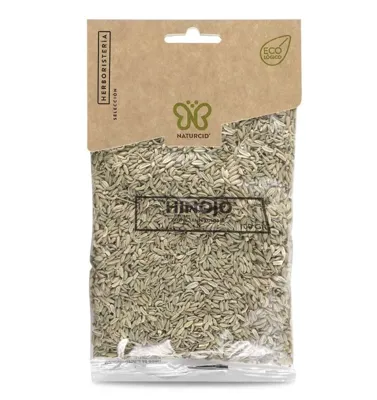
    Small, elongated and ridged. These are the "seeds" of the infusion and cooking.

  • Leaves

    Fine like feathers, with an anise flavor. Used fresh in cooking.

  • The bulb

    The thickened base of Florence fennel, which is eaten raw or cooked.

  • The flowers

    Yellow, in umbels of 20 to 50 small flowers.

Fennel formats and how to use them

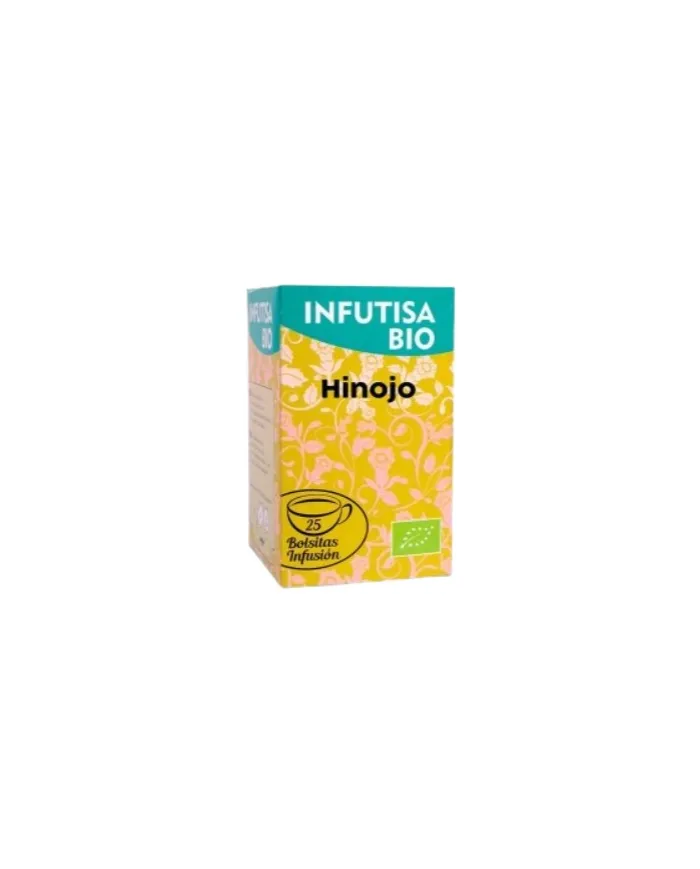
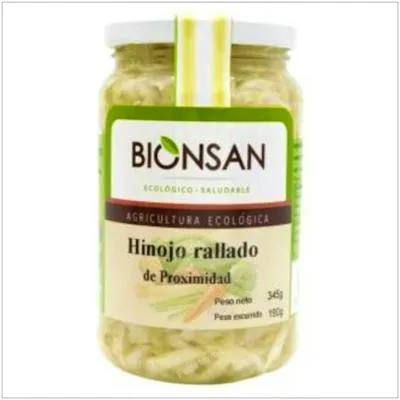
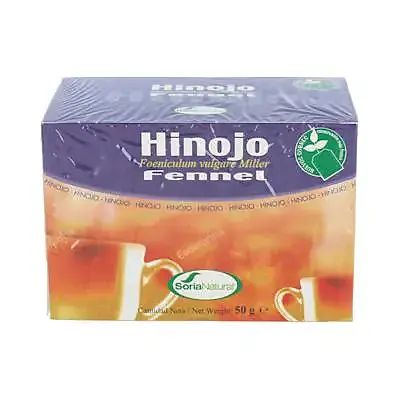
Products and prices are those in the shop today. Always follow the directions for use on each product's label.

Products

How to choose fennel

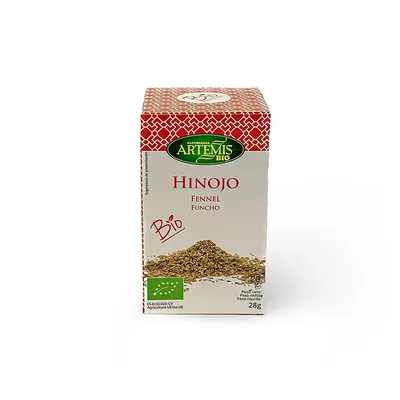
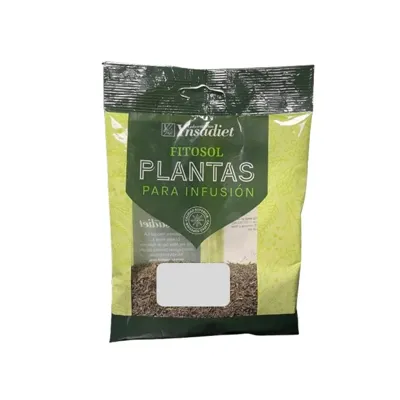
  • For infusions, choose whole fruits that are green and aromatic, and crush them just before use.
  • Check whether it is sweet or bitter fennel: the EMA covers both.
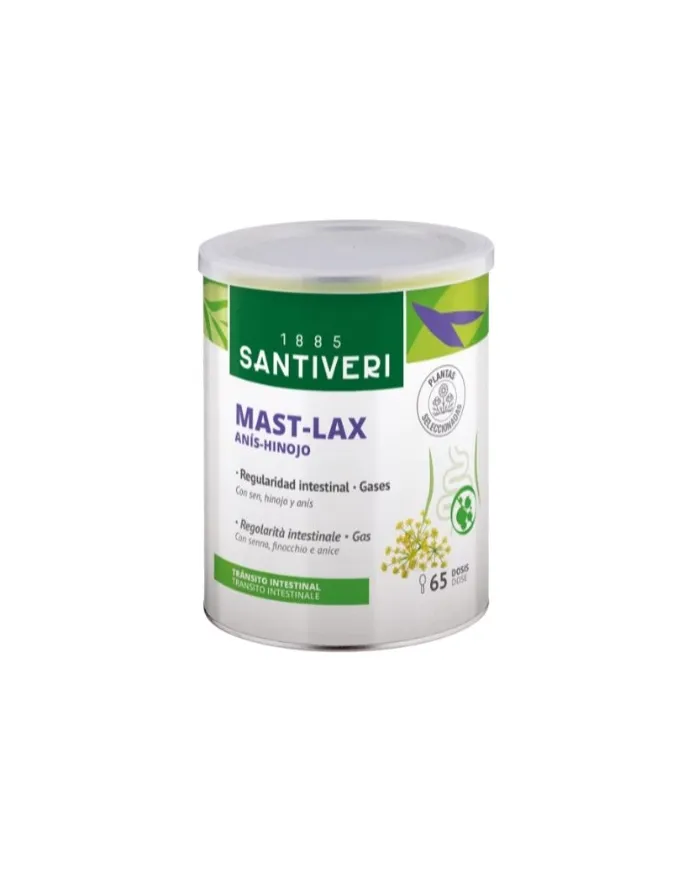
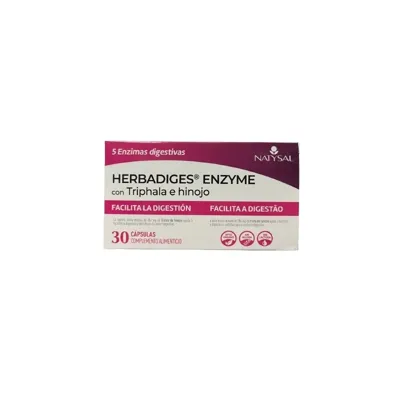
  • In capsules or ampoules, check whether it is on its own or combined with artichoke, pineapple or other plants.
  • Store the seeds in a closed jar, away from light.

History and tradition

  1. Ancient Greece and Rome

    Greeks and Romans valued it as food, as a medicinal plant and as a way to repel insects.

  2. Its name

    It comes from the Latin foeniculum, a diminutive of fenum, hay.

  3. Charlemagne

    Emperor Charlemagne ordered fennel to be grown on all imperial farms.

  4. Today

    The EMA has monographs on the fruit of sweet fennel and of bitter fennel.

Fennel around the world

  • India

    India produces more than half of the world's fennel. Its seeds, saunf, are eaten roasted after meals to freshen the breath.

  • China

    It is one of the five spices in five-spice powder.

  • Italy

    Finocchio, the bulb, goes into salads, and the seeds give flavour to Italian sausage.

  • Spain

    Its stalks are used in the vinegar-pickled aubergine dressing.

  • Syria and Lebanon

    Its tender leaves are made into an omelette with onion and flour.

What it pairs with

Sources for this page: EMA, Foeniculi dulcis fructus (sweet fennel fruit); Fennel, English Wikipedia.

Frequently asked questions

What is fennel used for?

Based on its traditional use, the EMA concludes that sweet fennel fruit, crushed or powdered, in infusion, tablets or capsules, may be used for symptoms of mild stomach and intestinal discomfort with cramps, such as bloating and gas, for mild menstrual cramps, and as an expectorant (helps expel mucus) in the cough of colds. In adults and adolescents it should not be taken for more than 2 weeks; between 4 and 12 years only for passing discomfort and for less than a week, and it is not recommended under 4 years of age. If symptoms persist or worsen, consult a doctor. The conclusion refers to the fruit, not the essential oil. The EMA refers to medicines based on this plant alone: food supplements, infusions sold as food and mixtures with other plants are not medicines. Source: European Medicines Agency (EMA), Foeniculi dulcis fructus.
What precautions does fennel have?

It may cause skin or breathing allergy. Do not take it if you are allergic to fennel, anethole or other plants of its family (anise, caraway, celery, coriander, dill), or to mugwort pollen. It is not recommended during pregnancy or breastfeeding: anethole passes into milk. In children from 4 to 12 years, the EMA asks to limit the estragole it contains (EMA monograph, Foeniculi dulcis fructus).

Which products with fennel do you have?

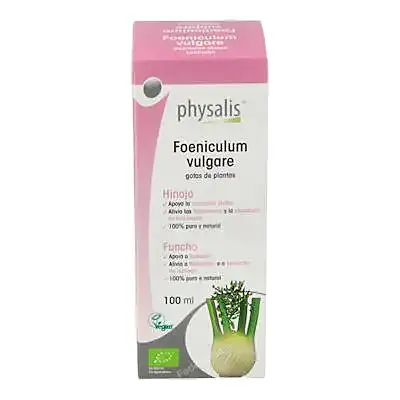
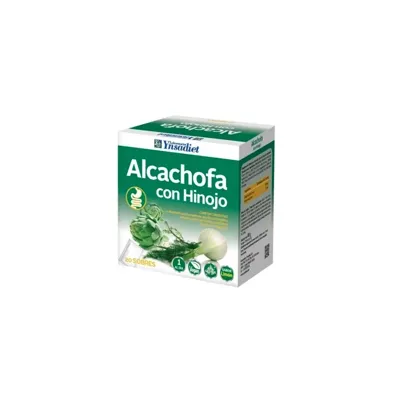
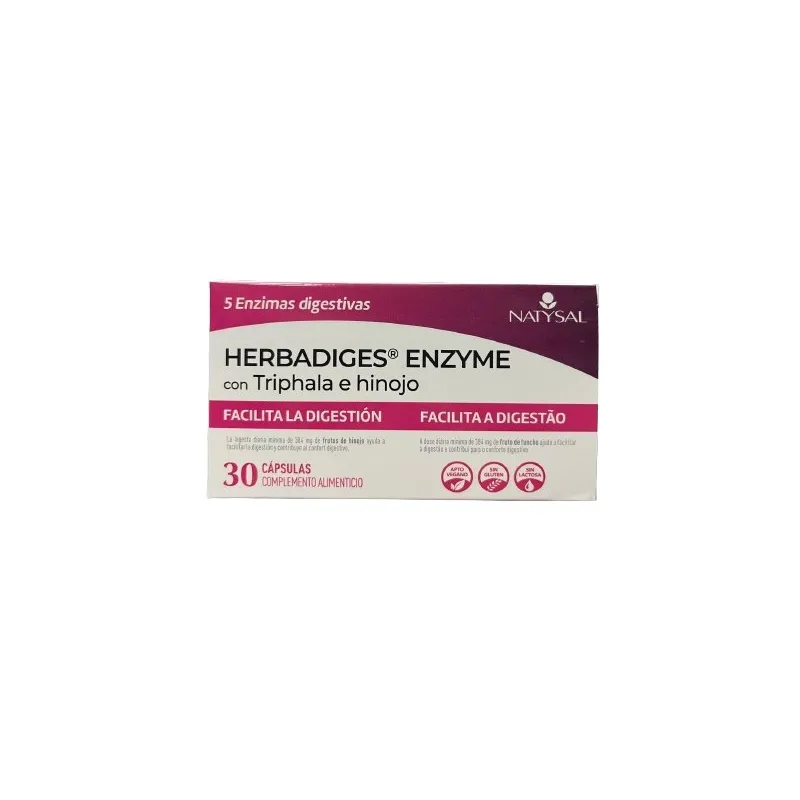
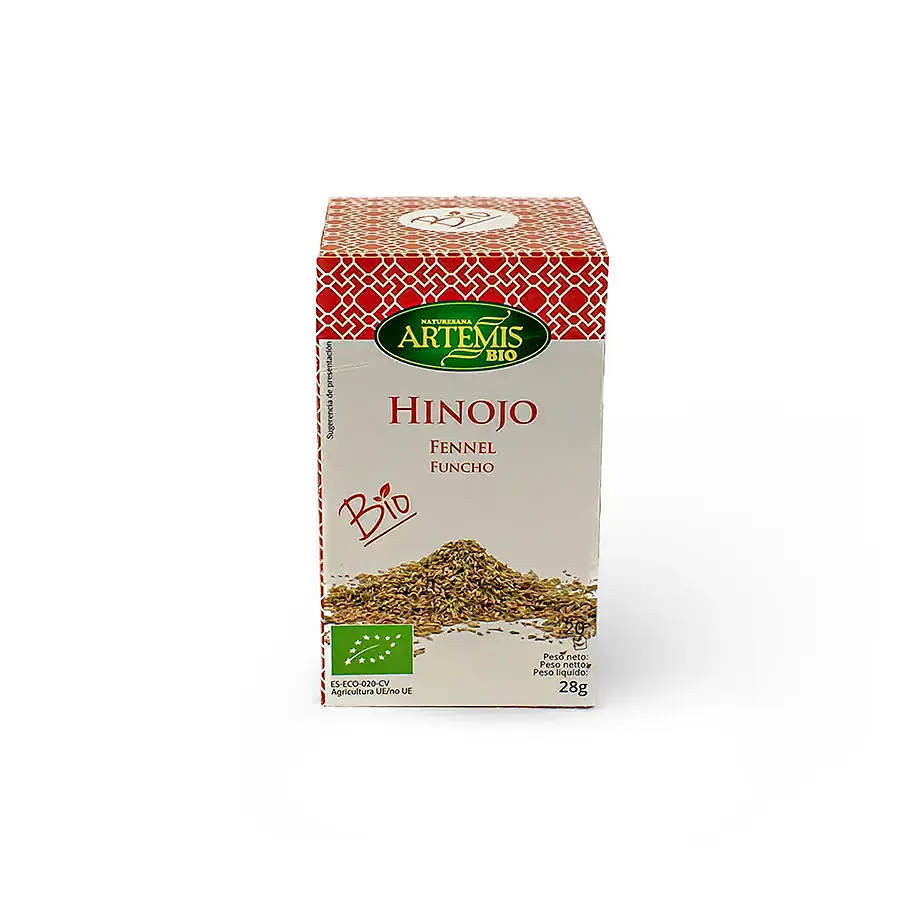
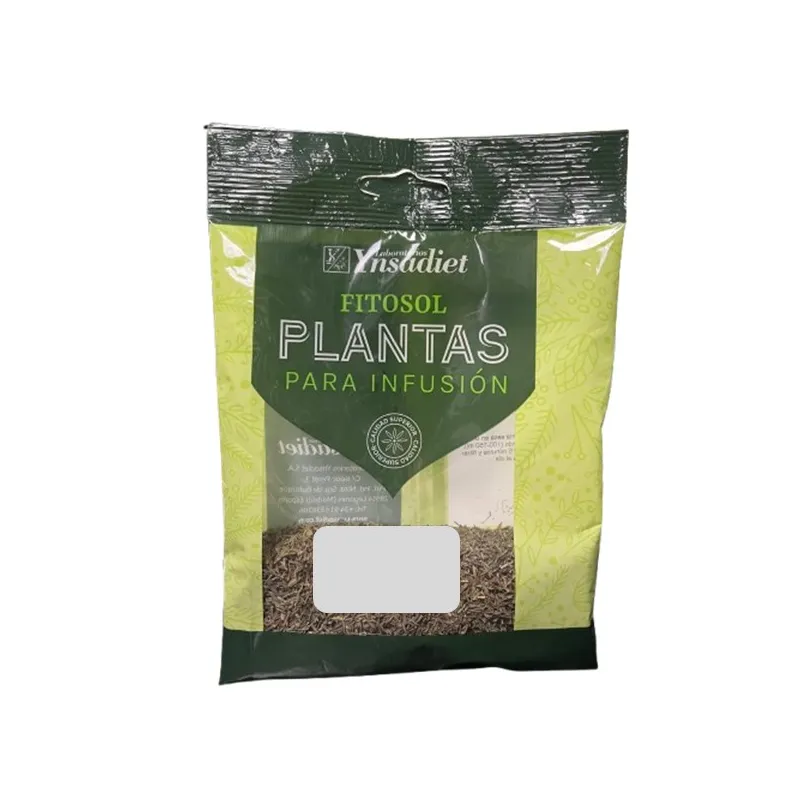
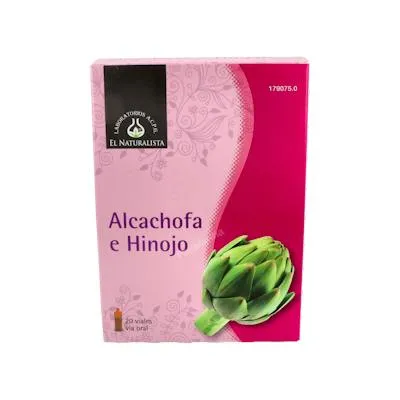
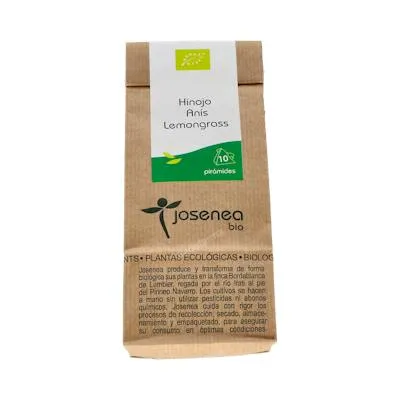
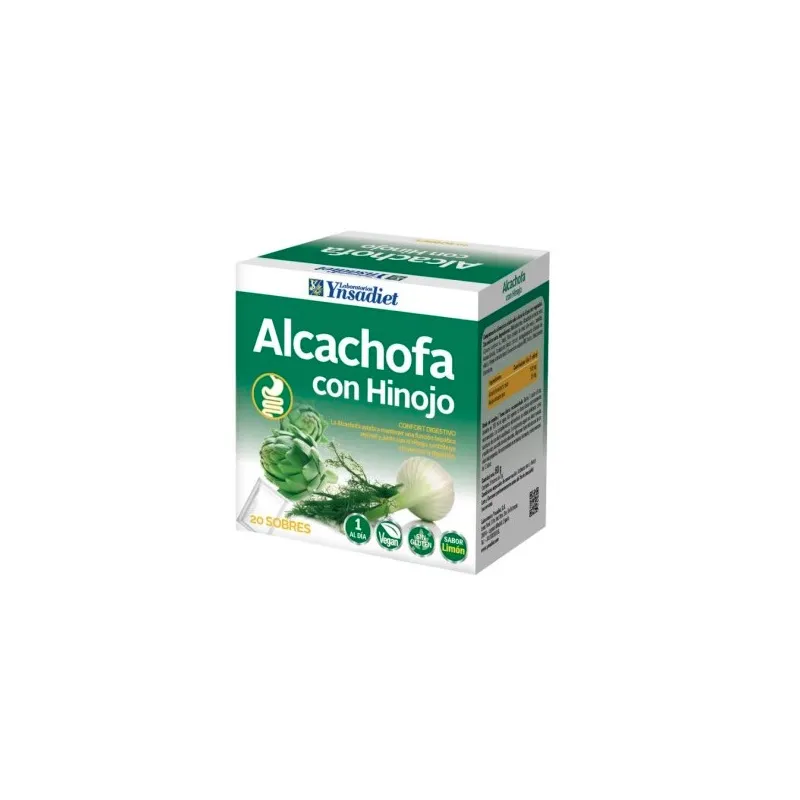
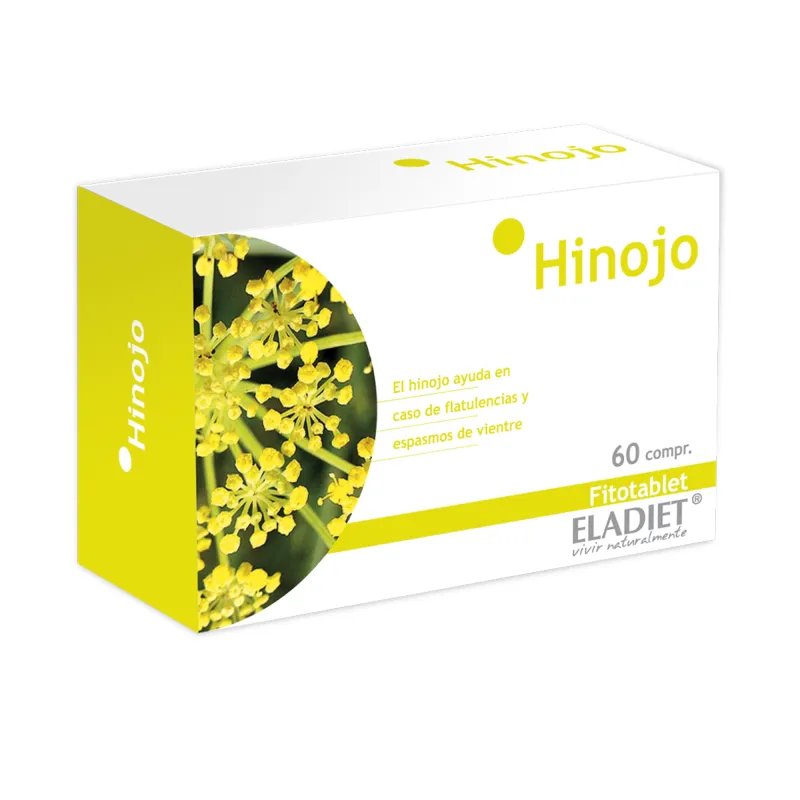
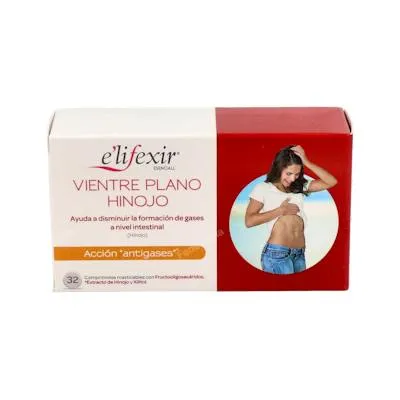
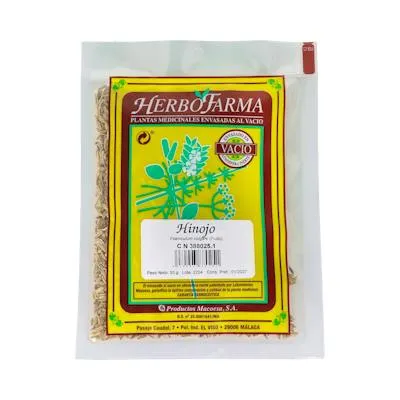
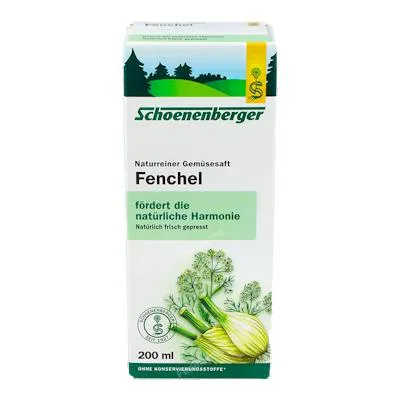
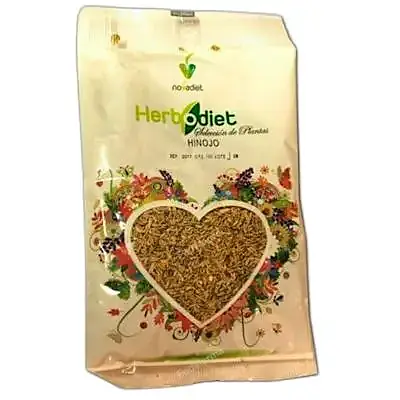
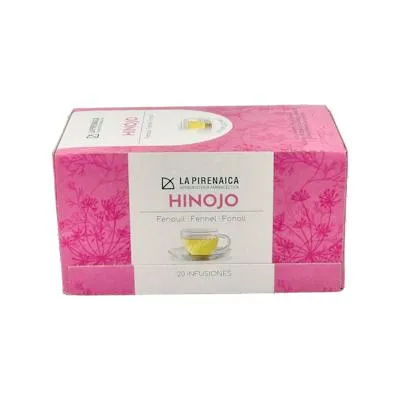
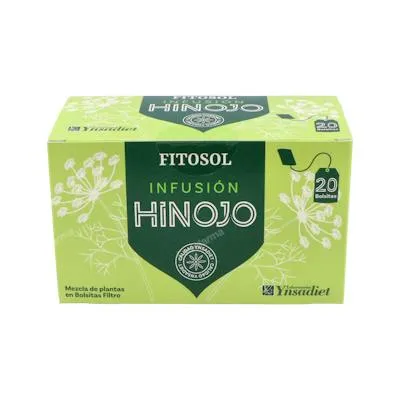
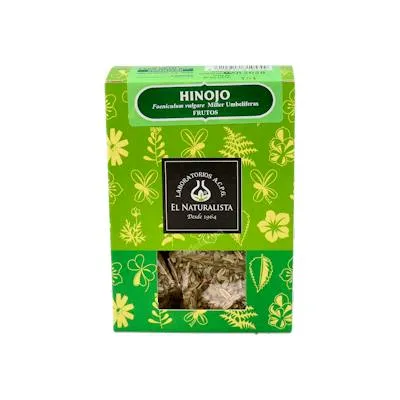
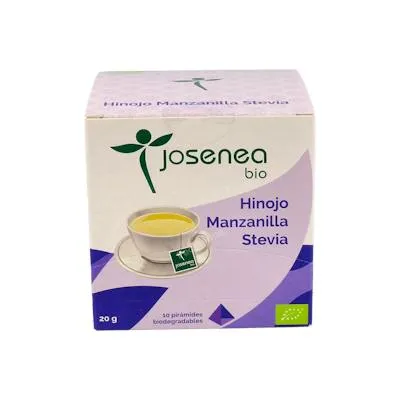
With fennel, we have 38 products from 28 brands. From 1,75 €; half of them cost less than 4,67 €. Brands with the most products: Arkopharma, Fitosol, El Naturalista, Naturcid, Josenea.
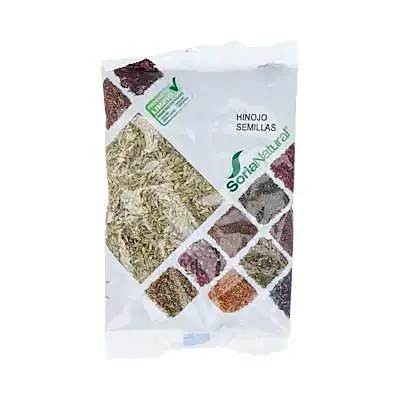
Which part of fennel is used in infusions?

The fruit, which we call fennel seeds.

Are fennel and anise the same thing?

No. They are different plants from the same family, and both owe their aroma to anethole.

How is a fennel infusion made?

One teaspoon of crushed seeds per cup of freshly boiled water, covered for 10 minutes.

What is Florence fennel?

A variety with a thickened leaf base, the bulb, which is eaten as a vegetable.

Why are the seeds crushed?

So that they release their aromatic oil into the water.