Envío gratis desde 40 € en la mayoría de productosHome delivery with tracking numberTe asesora una persona: 691 47 69 80 (teléfono y WhatsApp, L-V 10:00–14:00 y 17:00–20:00 · S 10:00–14:00 · D cerrado)You can get advice from a person by email: hola@vidaalnatural.esRecogida en la tienda de San Agustín14-day returnsSecure payment with Bizum, card (Visa, Mastercard, American Express), Apple Pay and Google PayTienda en San Agustín del GuadalixProtected shopping: encrypted connection across the whole site

Gotu kola (Centella asiatica)

Everything containing Centella asiatica in supplements, herbs and infusions, with advice from Vida al Natural, in San Agustín del Guadalix.

17 products

Plate from Vida al Natural · no. 103 of 108

What is centella asiatica?

Centella asiatica, also called gotu kola, is a creeping plant from wet places in Asia, of the carrot family, with fan-shaped round leaves. The aerial part is used, as extract, capsules and tablets, and also in creams.

Varieties

Centella asiatica (Centella asiatica), also called gotu kola, is a perennial plant of the carrot family. It is native to tropical areas of Africa, Asia, Australia and the western Pacific islands, and grows in wet, marshy sites. It spreads with creeping stems and has round leaves on long stalks. It contains triterpenes such as asiaticoside and madecassoside. The aerial part is used, as extract, capsules and tablets, and in creams.

What the European Medicines Agency says

Based on traditional use, the EMA concludes that preparations of the aerial part of Centella asiatica may be used to help heal minor wounds, applied to the skin. They are for adults only and should not be used for more than 1 week; if symptoms persist or worsen, consult a doctor. The conclusion refers to use on the skin, not to supplements taken orally.

The EMA refers to medicines based on this plant alone: food supplements, infusions sold as food and mixtures with other plants are not medicines. Source: European Medicines Agency (EMA), Centellae asiaticae herba.
Parts used

  • Leaves

    Round, long-stalked leaves with fan-shaped veins. They are eaten as a vegetable in many Asian countries.

  • Stems

    Thin and creeping, green or reddish, joining one plant to another.

  • Aerial part

    Dried leaves and stems: the part covered by the EMA monograph.

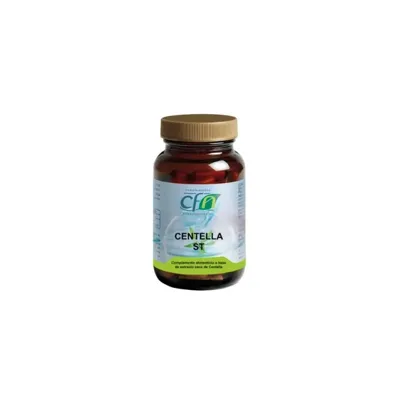
Centella asiatica formats and how to use them

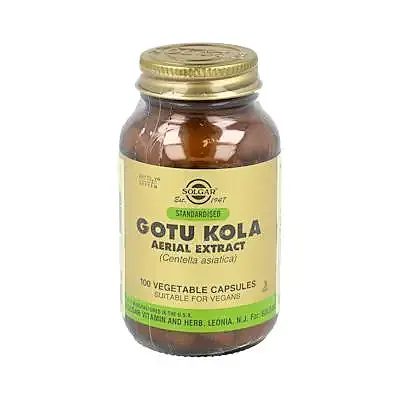
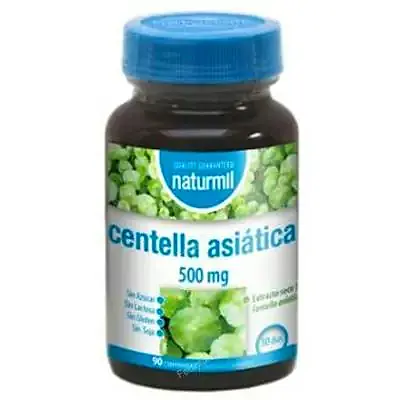
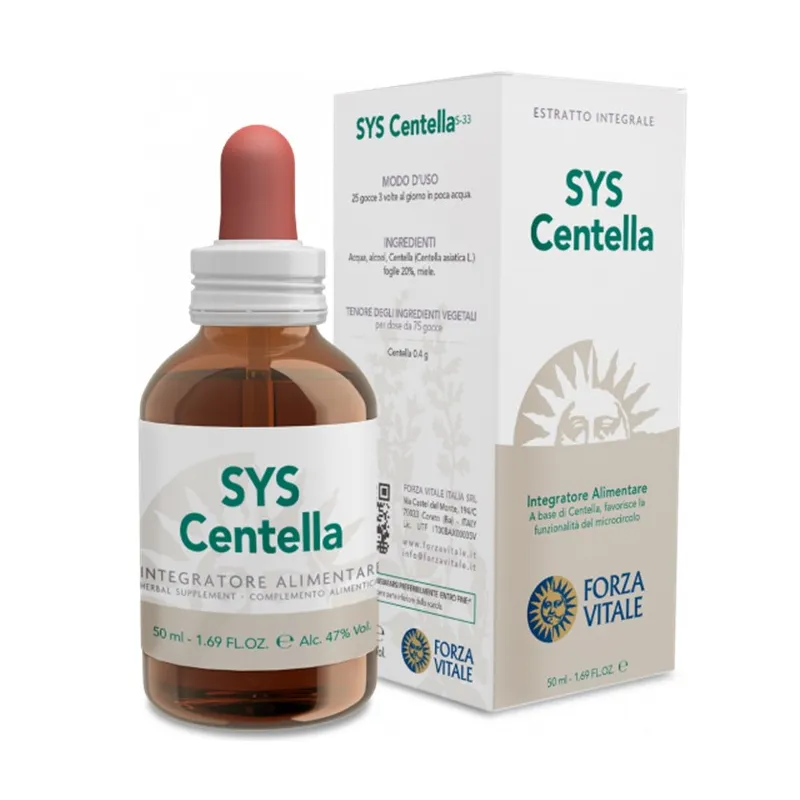
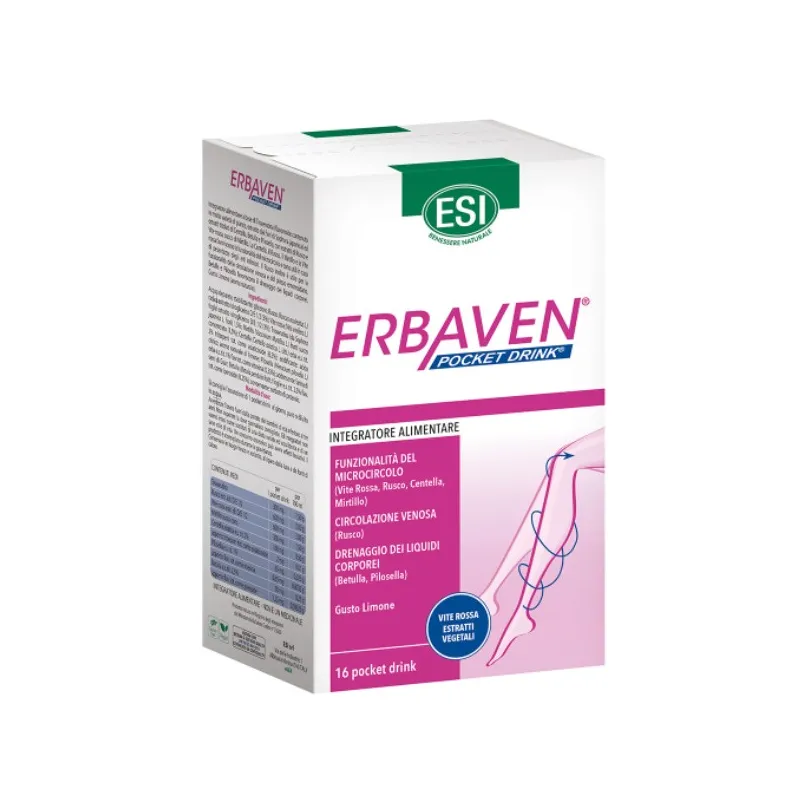
Products and prices are those in the shop today. Always follow the directions for use on each product's label.

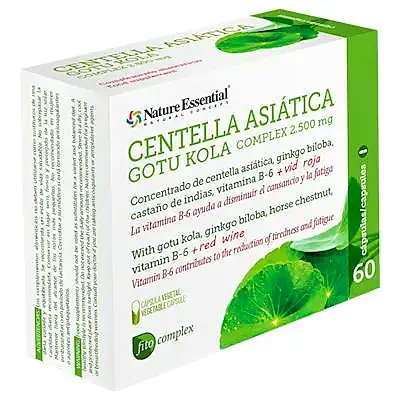
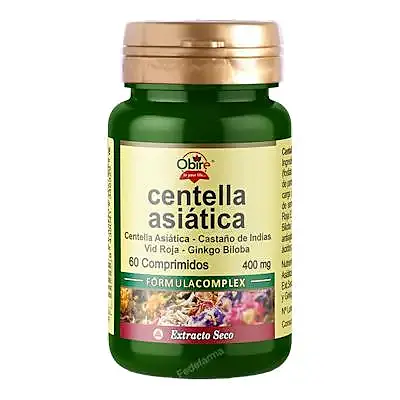
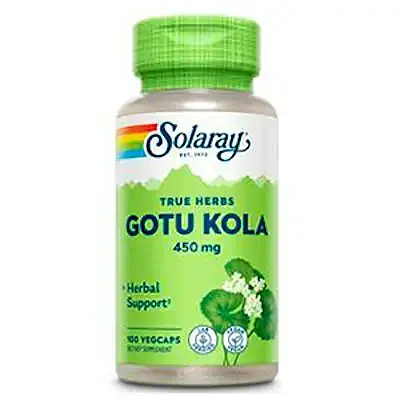
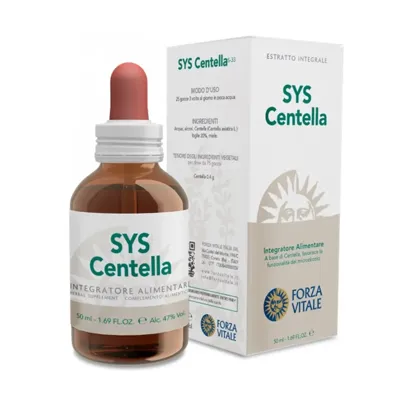
Products

How to choose centella asiatica

  • Look for Centella asiatica or gotu kola on the label.
  • Quality extracts indicate their triterpene content.
  • Check whether it is on its own or with horse chestnut, butcher's broom or other plants.
  • Creams with centella are cosmetics: they are not the same as the food supplement.

History and tradition

  1. Tradition

    It is eaten as a vegetable and is used in traditional medicine in many Asian countries.

  2. Its name

    In English it is called pennywort.

  3. Today

    The EMA has a monograph on its aerial part, for use on the skin.

Centella asiatica around the world

  • Sri Lanka

    It is the most common leafy vegetable: it is eaten chopped with grated coconut and shallot, and in a red rice broth called kola kanda.

  • Myanmar

    It is eaten raw in a salad with onion, peanut and lime.

  • Thailand, Vietnam and Cambodia

    It is made into a drink or eaten raw in salads and spring rolls. In Bangkok, the juice is sold in markets.

  • Malaysia and Indonesia

    Under the name pegaga, its leaves go into salads such as ulam.

  • Bangladesh and Bengal

    It is called thankuni and is made into fritters with lentils.

What it pairs with

Sources for this page: EMA, Centellae asiaticae herba (aerial part of centella asiatica); Centella asiatica, English Wikipedia.

Frequently asked questions

What is centella asiatica used for?

Based on traditional use, the EMA concludes that preparations of the aerial part of Centella asiatica may be used to help heal minor wounds, applied to the skin. They are for adults only and should not be used for more than 1 week; if symptoms persist or worsen, consult a doctor. The conclusion refers to use on the skin, not to supplements taken orally. The EMA refers to medicines based on this plant alone: food supplements, infusions sold as food and mixtures with other plants are not medicines. Source: European Medicines Agency (EMA), Centellae asiaticae herba.
What precautions does centella asiatica have?

Do not use it if you are allergic to Centella or other plants of its family (such as celery, fennel or anise). It is not recommended during pregnancy or breastfeeding (EMA monograph, Centellae asiaticae herba).

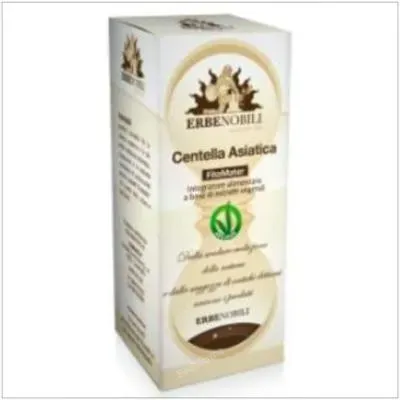
Which products with Centella asiatica do you have?

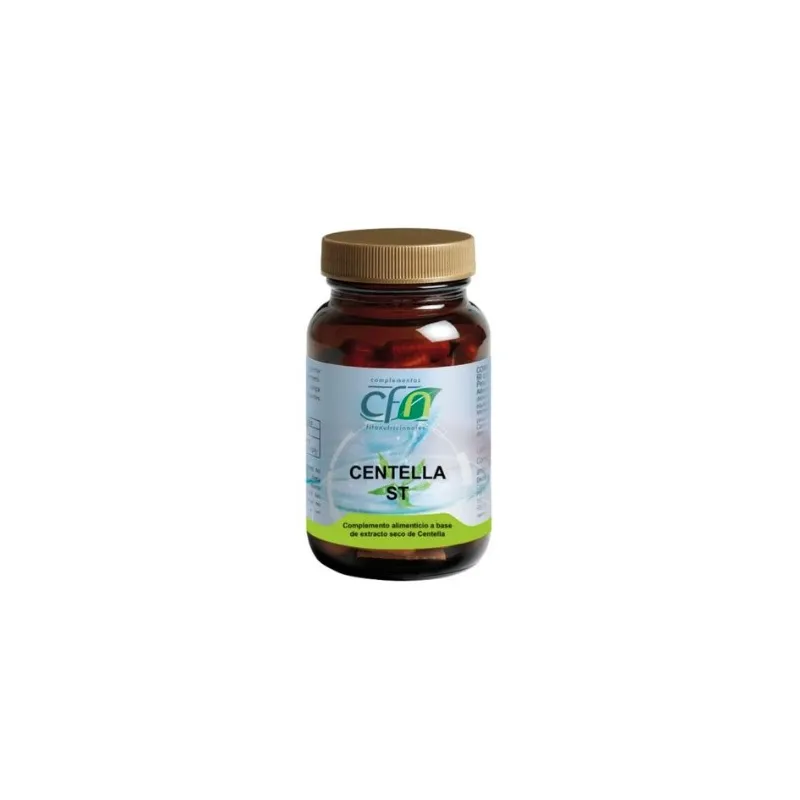
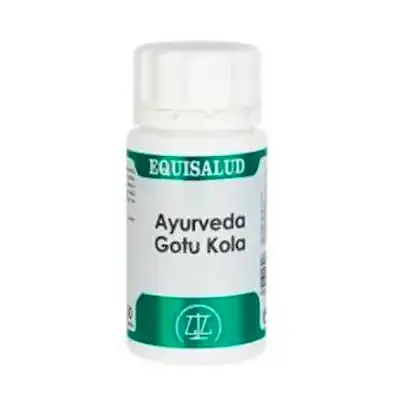
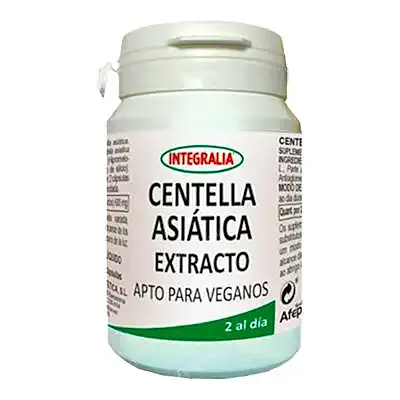
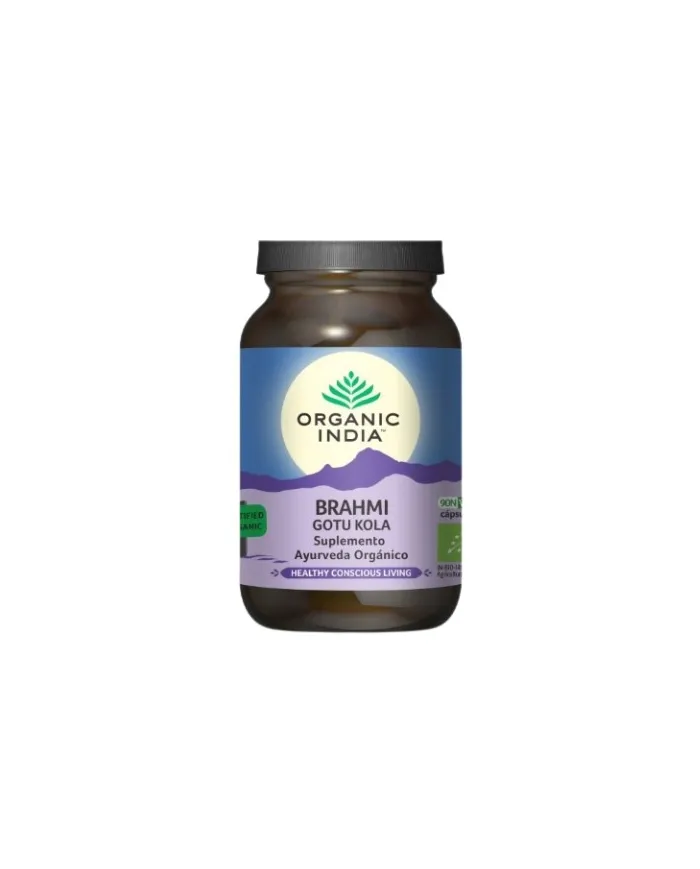
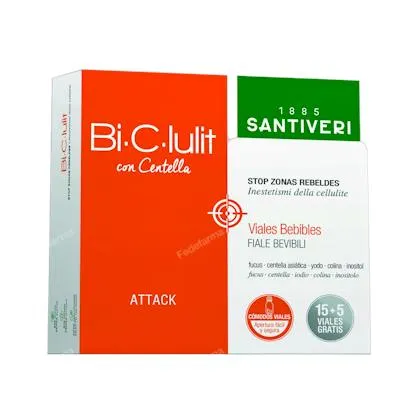
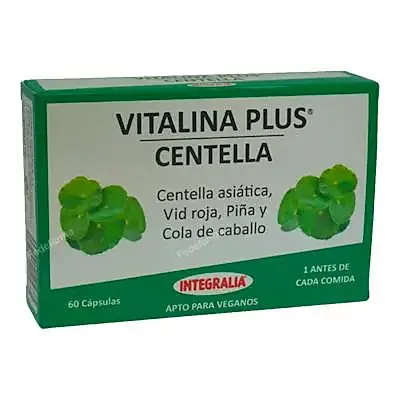
With Centella asiatica, we have 17 products from 16 brands. From 7,45 €; half of them cost less than 14,74 €. Brands with the most products: Integralia, Cfn, Nature Essential, Obire, Solaray.

Are centella asiatica and gotu kola the same?

Yes, they are names for Centella asiatica.

Which part is used?

The aerial part, leaves and stems, as extract, capsules or tablets, and in creams.

Can you eat centella?

Yes, in many Asian countries it is eaten raw in salads or made into drinks.

What are asiaticoside and madecassoside?

Triterpenes characteristic of centella. Some extracts indicate how much they contain.

What does the EMA say about centella?

It has a monograph on its traditional use applied to the skin, only for adults and for no more than 1 week.