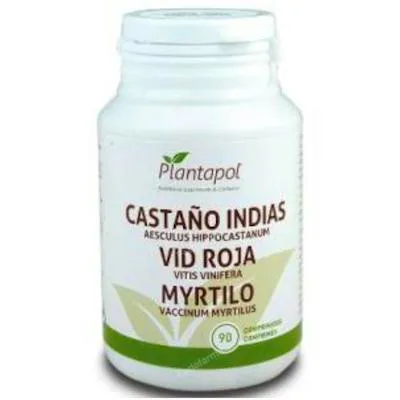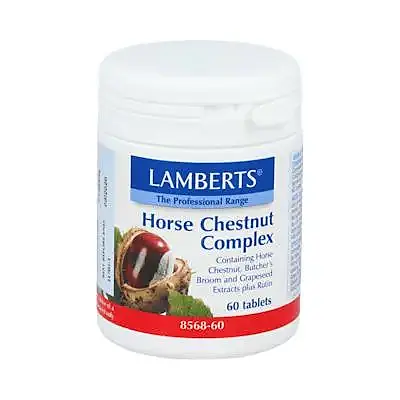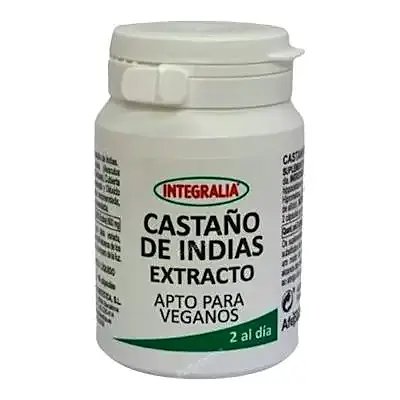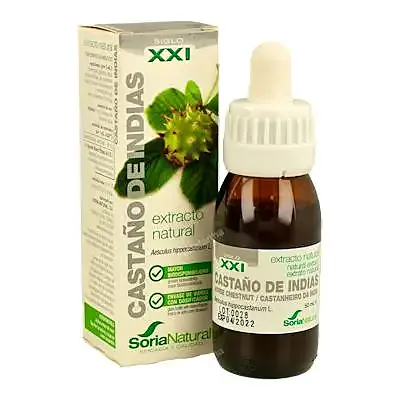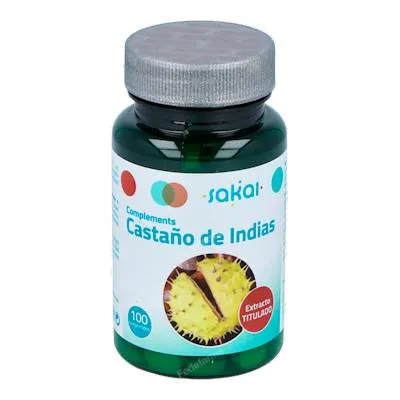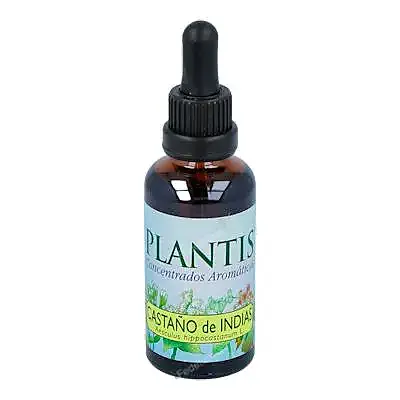
What is horse chestnut (Aesculus hippocastanum)?
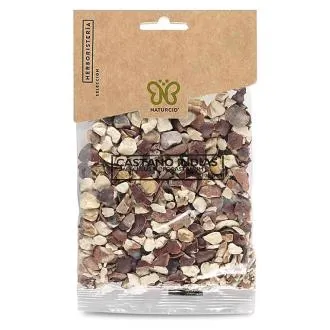
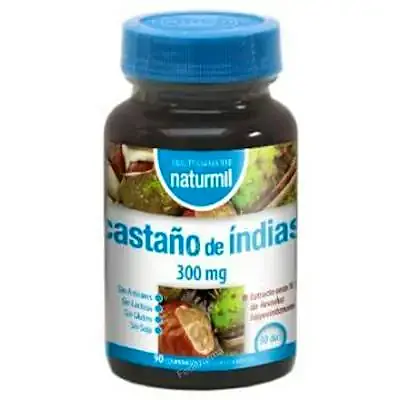
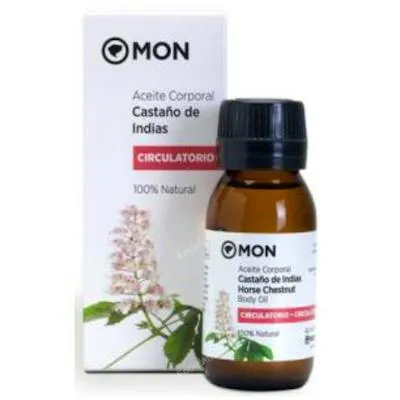
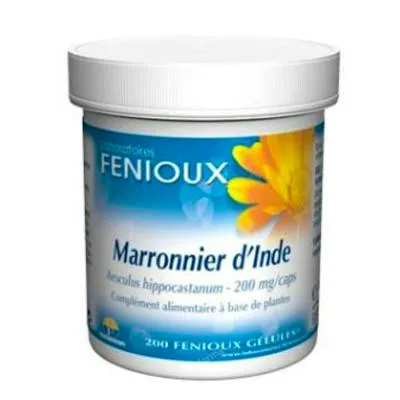
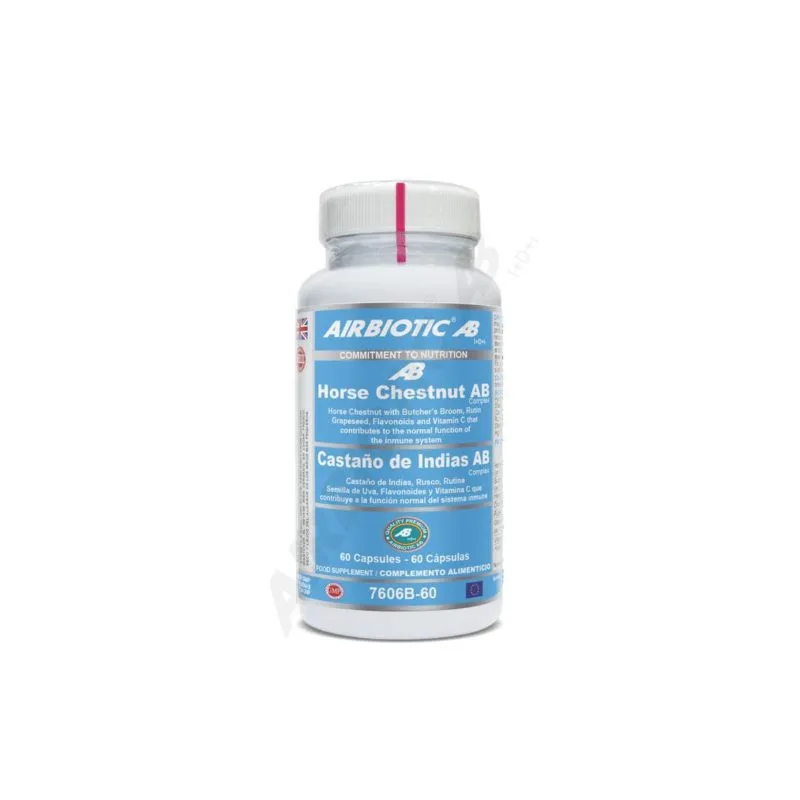
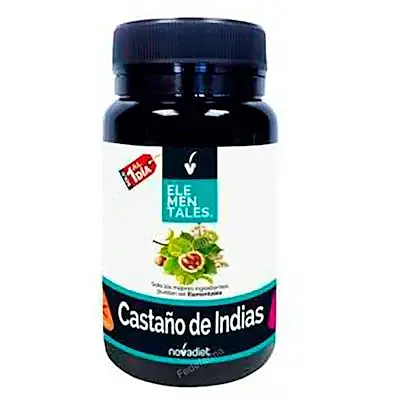
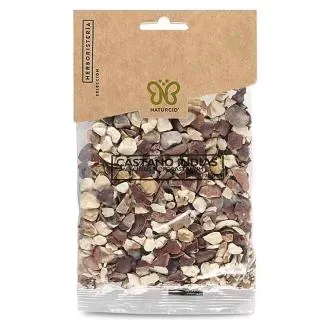
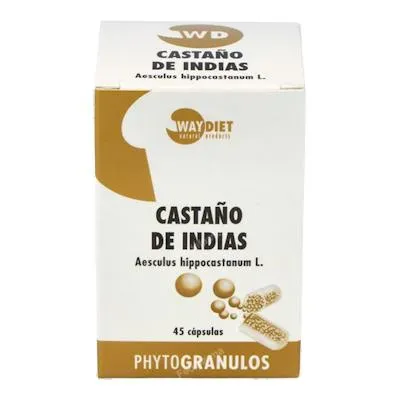
Horse chestnut is a tree found in parks and avenues whose seeds, similar to chestnuts, are not edible. Its extract is taken in capsules or tablets and applied in gels and creams for the legs.
What the European Medicines Agency says
The EMA concludes, based on clinical studies (well-established use), that a standardised dry extract of horse chestnut seed, taken by mouth, may be used to treat chronic venous insufficiency (swollen legs, varicose veins, heaviness, pain, tiredness, itching, tension and cramps in the calves), and, based on traditional use, that other seed extracts, taken orally or in creams and gels, may be used to relieve discomfort and heavy legs due to mild venous circulation problems, and, in creams and gels, the signs of bruising, such as swelling and bruises. They are for adults; the creams and gels for bruising are also for those over 12 years old. The conclusion refers to seed extracts, not to the chopped seed or the buds. In chronic venous insufficiency it may take at least 4 weeks to notice improvement; if heavy legs do not improve within 2 weeks or bruises last more than 5 days, consult a doctor.
The EMA refers to medicines based on this plant alone: food supplements, infusions sold as food and mixtures with other plants are not medicines. Source: European Medicines Agency (EMA), Hippocastani semen.