Envío gratis desde 40 € en la mayoría de productosHome delivery with tracking numberTe asesora una persona: 691 47 69 80 (teléfono y WhatsApp, L-V 10:00–14:00 y 17:00–20:00 · S 10:00–14:00 · D cerrado)You can get advice from a person by email: hola@vidaalnatural.esRecogida en la tienda de San Agustín14-day returnsSecure payment with Bizum, card (Visa, Mastercard, American Express), Apple Pay and Google PayTienda en San Agustín del GuadalixProtected shopping: encrypted connection across the whole siteEnvío gratis desde 40 € en la mayoría de productosHome delivery with tracking numberTe asesora una persona: 691 47 69 80 (teléfono y WhatsApp, L-V 10:00–14:00 y 17:00–20:00 · S 10:00–14:00 · D cerrado)You can get advice from a person by email: hola@vidaalnatural.esRecogida en la tienda de San Agustín14-day returnsSecure payment with Bizum, card (Visa, Mastercard, American Express), Apple Pay and Google PayTienda en San Agustín del GuadalixProtected shopping: encrypted connection across the whole site
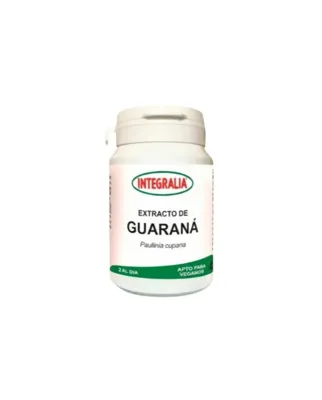
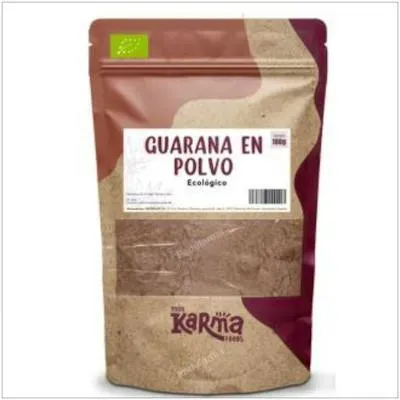
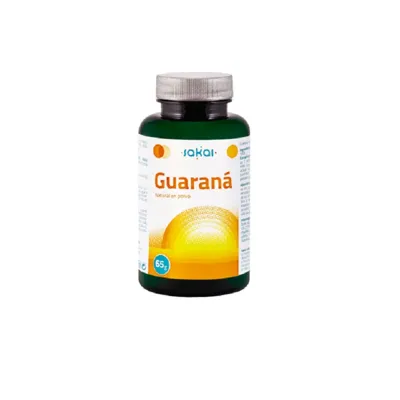
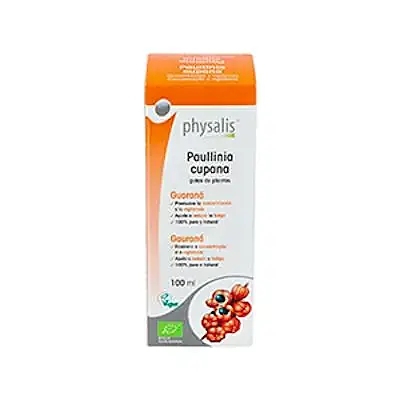
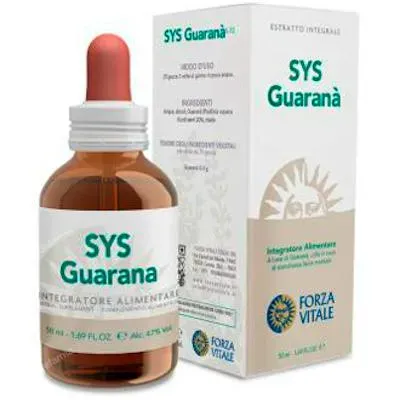
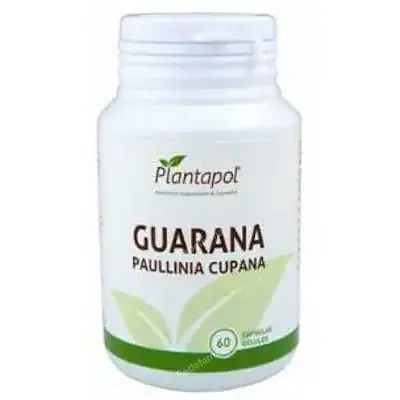
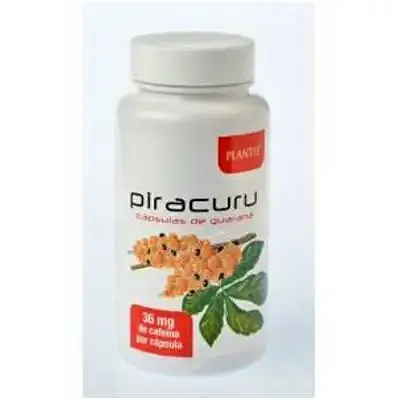
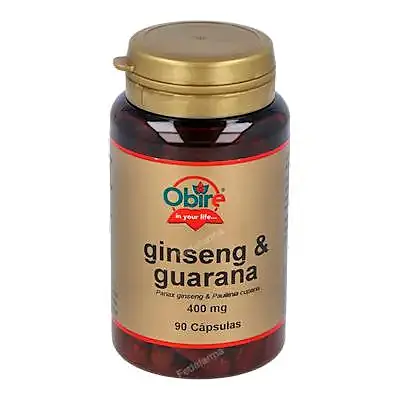
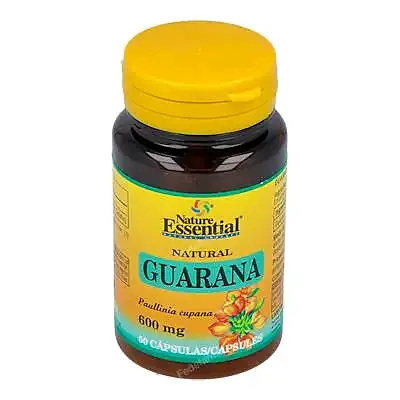
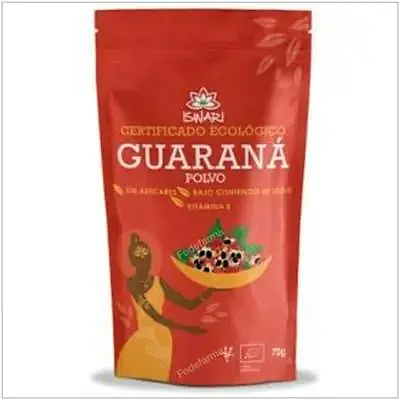
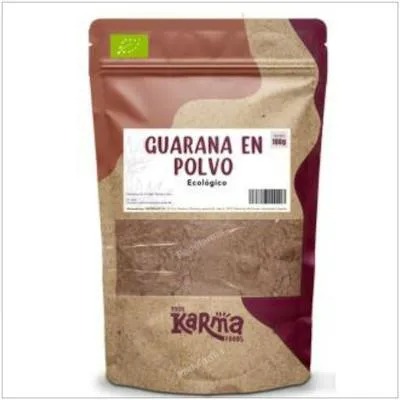
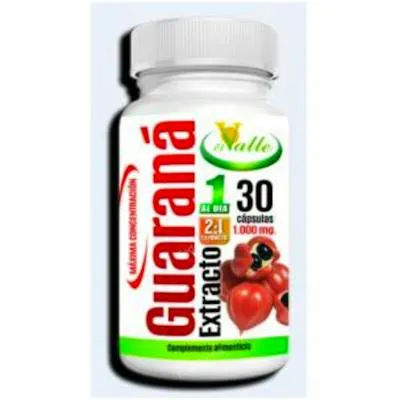
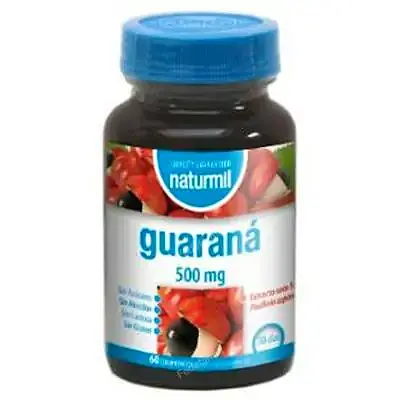
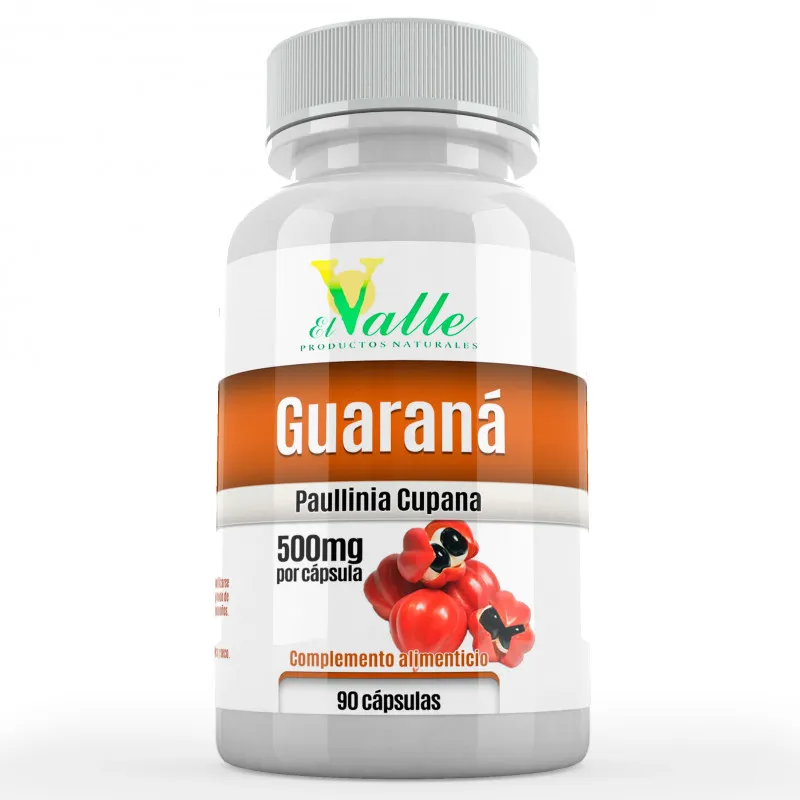
Guarana (Paullinia cupana) is a climbing plant from the Amazon basin, mainly Brazil. Its seeds, about the size of a coffee bean, contain up to 6% caffeine, more than green coffee. In the shop it comes as capsules, tablets, powder and liquid extract, on its own or with ginseng or other ingredients.
Varieties
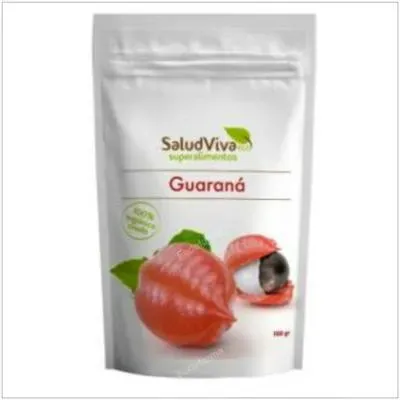
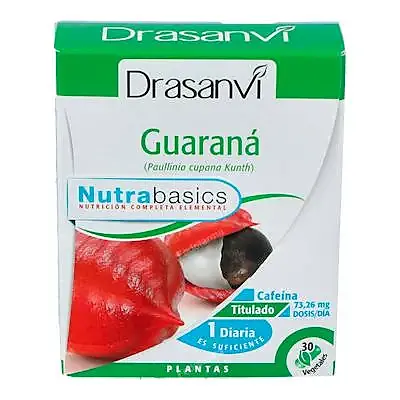
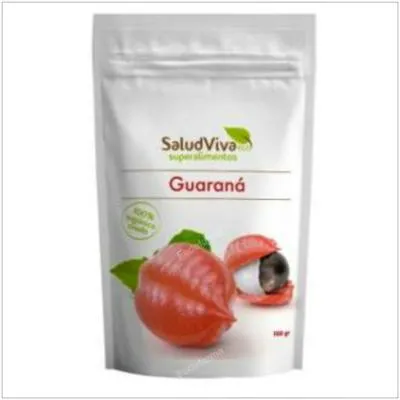
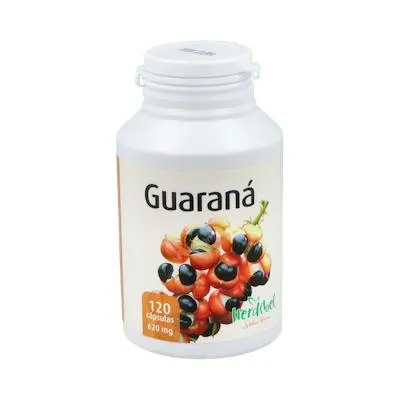
Guarana (Paullinia cupana) is a climbing plant of the Sapindaceae family, from the Amazon basin and mainly Brazil. Its fruit ranges from brown to red and, when it opens, shows black seeds half covered by a white layer. The seeds, about the size of a coffee bean, contain up to 6% caffeine; green coffee, 1 to 3%. In the shop it comes as capsules, tablets, powder and liquid extract.
Contains caffeine. Foods that are not beverages and have added caffeine carry a label warning: "Contains caffeine. Not recommended for children or pregnant women", with the caffeine content per dose (Regulation (EU) 1169/2011, Annex III). The European Food Safety Authority (EFSA) concludes that up to 400 mg of caffeine a day, and single doses of up to 200 mg, from all sources, are not a concern for healthy adults, and that during pregnancy and breastfeeding up to 200 mg a day does not harm the baby: add up coffee, tea and soft drinks. As a supplement: do not exceed the recommended daily dose; it does not replace a varied and balanced diet. Keep out of reach of young children.
Which products with guarana do you have?
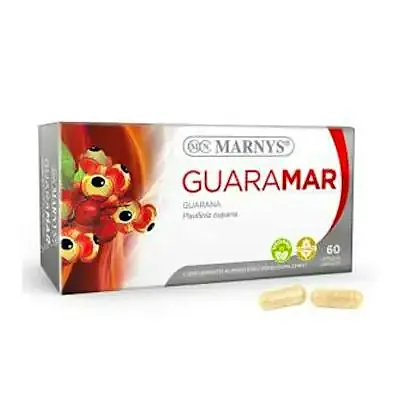
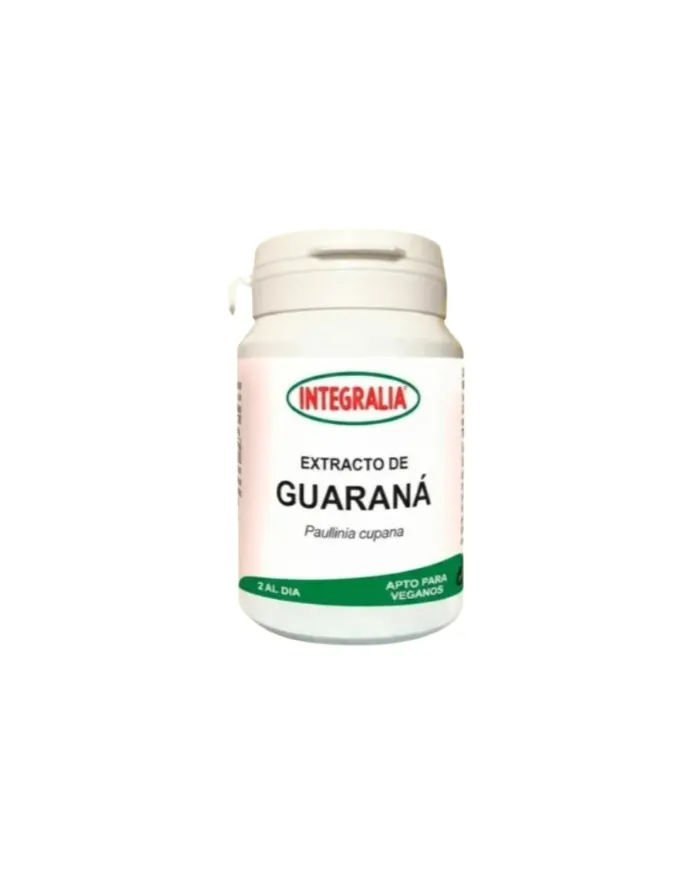
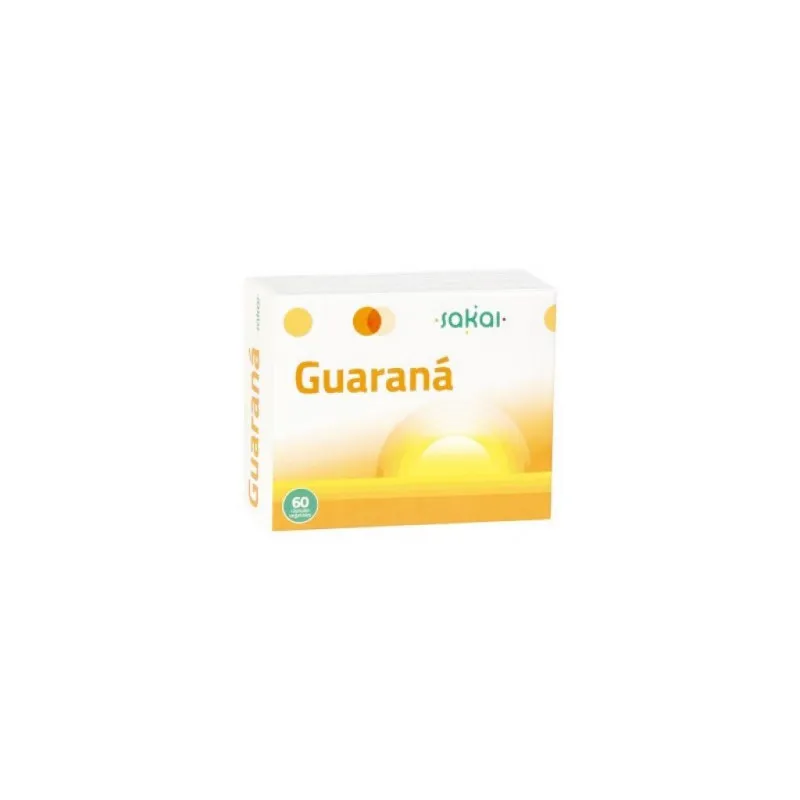
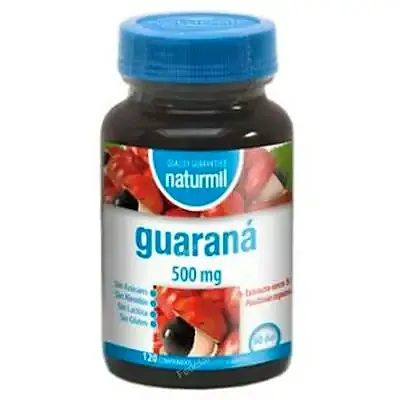
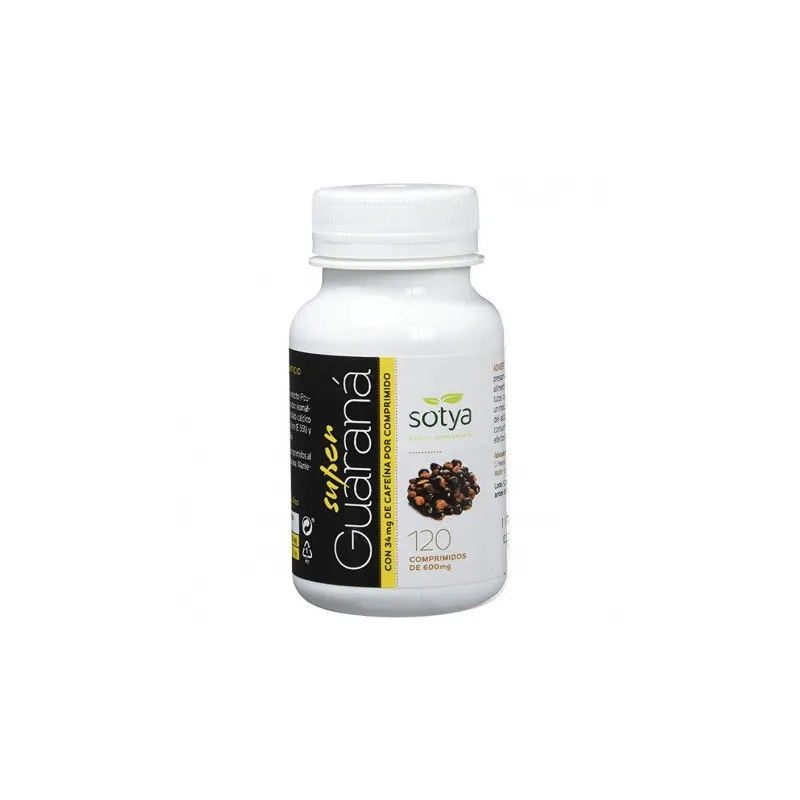
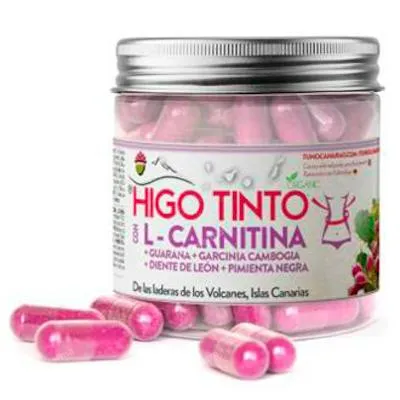
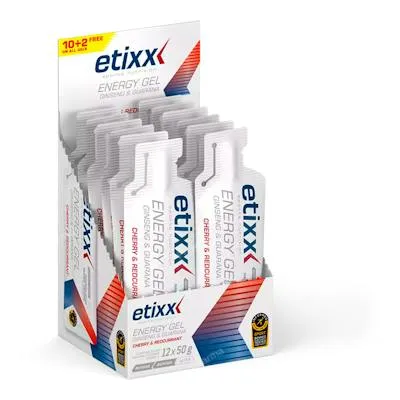
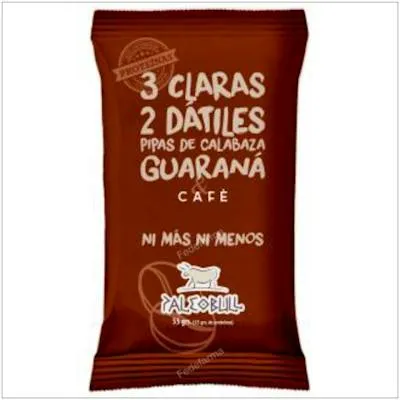
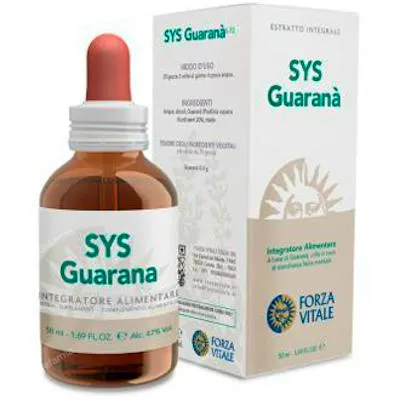
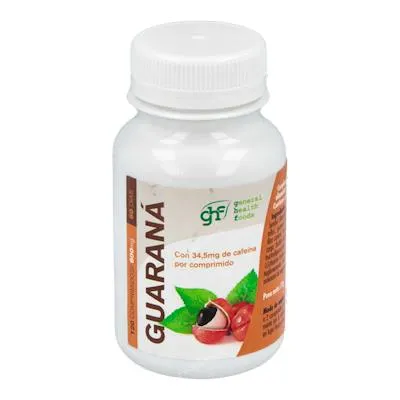
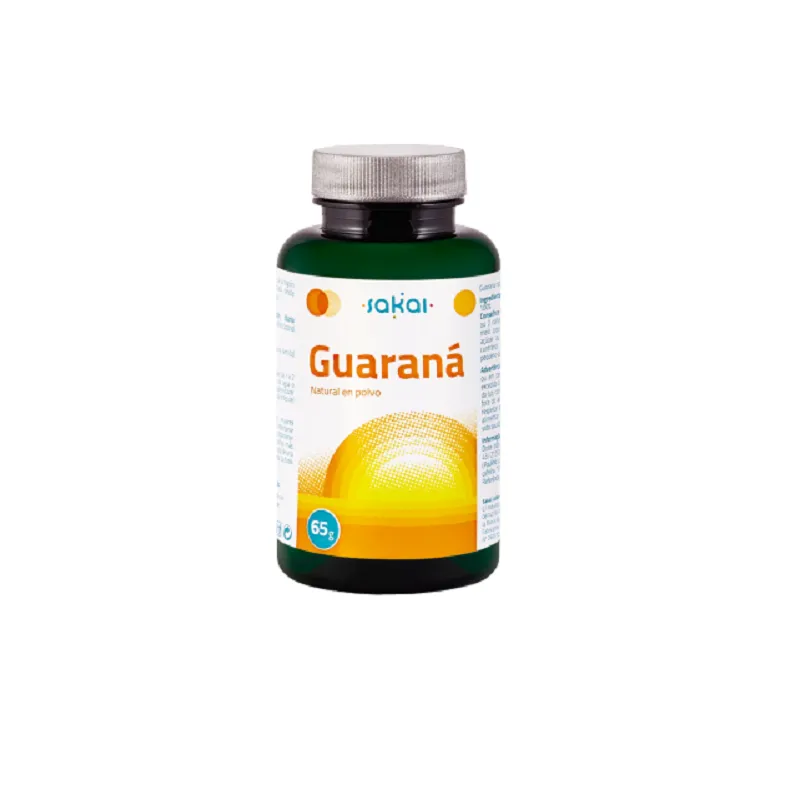
With guarana, we have 28 products from 23 brands.From 7,36 €; half of them cost less than 12,26 €.Brands with the most products: Sakai, Marnys, Dietmed, Arkopharma, El Valle.
How much caffeine does guarana have?
Its seeds contain up to 6% caffeine; green coffee, 1 to 3%. The label states how much each dose provides.
Can a pregnant woman take it?
Its label says «Contains caffeine. Not recommended for children or pregnant women». EFSA gives up to 200 mg of caffeine a day during pregnancy and breastfeeding, from all sources.
Does it add up with coffee?
Yes. EFSA refers to caffeine from all sources: up to 400 mg a day for a healthy adult, and single doses of up to 200 mg.
Why does its fruit look like an eye?
Because when it opens it reveals a black seed partly covered by a white layer, on top of red skin.
What is guarana bread?
The seeds peeled, washed, dried and ground to a fine powder. Then it is stirred into hot water with sugar to make an infusion.
With your permission we use Google Analytics cookies to learn which products interest you and which purchases come from Google. If you don't accept, nothing is loaded. How we use cookies