Envío gratis desde 40 € en la mayoría de productosHome delivery with tracking numberTe asesora una persona: 691 47 69 80 (teléfono y WhatsApp, L-V 10:00–14:00 y 17:00–20:00 · S 10:00–14:00 · D cerrado)You can get advice from a person by email: hola@vidaalnatural.esRecogida en la tienda de San Agustín14-day returnsSecure payment with Bizum, card (Visa, Mastercard, American Express), Apple Pay and Google PayTienda en San Agustín del GuadalixProtected shopping: encrypted connection across the whole site

Chia seeds

Everything containing chia seeds in food and supplements, with advice from Vida al Natural, in San Agustín del Guadalix.

44 products

Plate from Vida al Natural · no. 105 of 108

What are chia seeds?

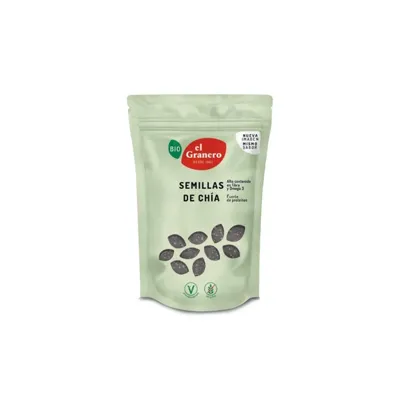
Chia seeds come from Salvia hispanica, a mint-family plant native to central and southern Mexico and Guatemala. They are small, oval and mottled grey, black and white. Soaked, they absorb up to 12 times their weight in liquid and become coated in a gel. In the shop they are sold whole, ground, as flour and as oil.

Varieties

Chia is Salvia hispanica, a mint-family plant native to central and southern Mexico and Guatemala; several closely related species also go by the same name. Its seeds are small, oval and mottled grey, black, brown and white. Dry, they contain 31 % fat, 16 % protein and 42 % carbohydrates, much of it fibre. Soaked, they absorb up to 12 times their weight in liquid and become coated in a gel.

Sources for this page: Implementing Regulation (EU) 2017/2470, Union list of novel foods (Official Journal, copy of the BOE).
Parts used

  • Seeds

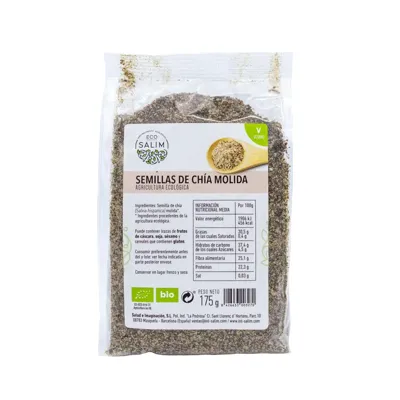
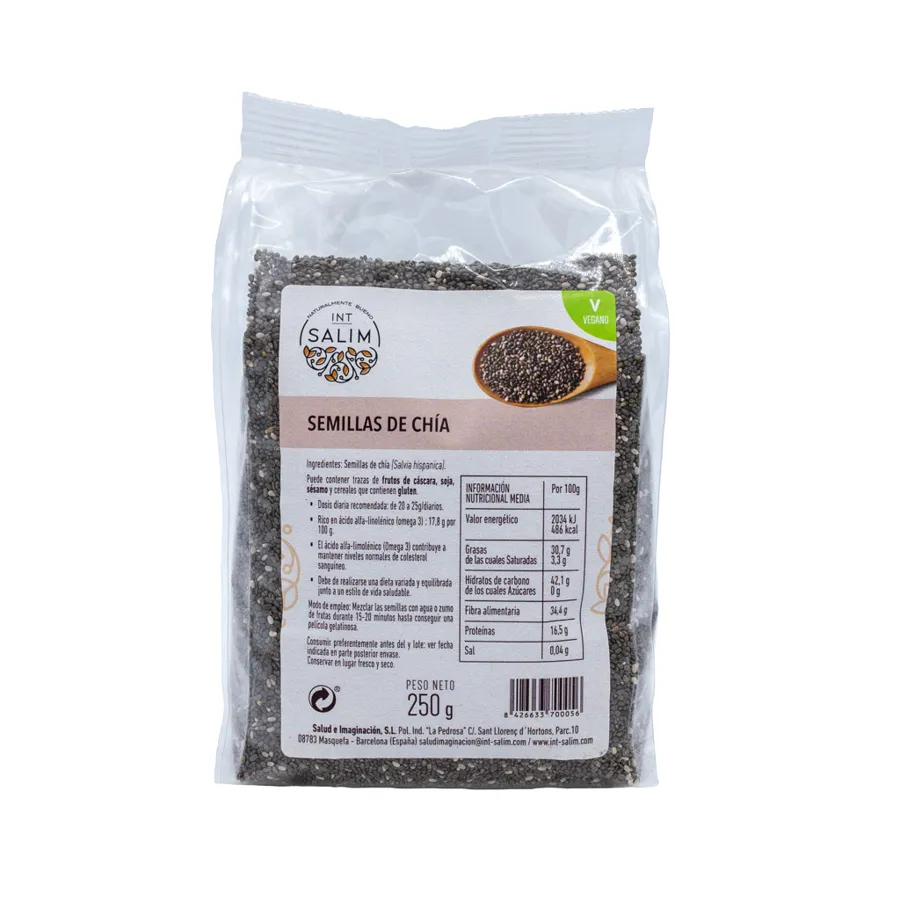
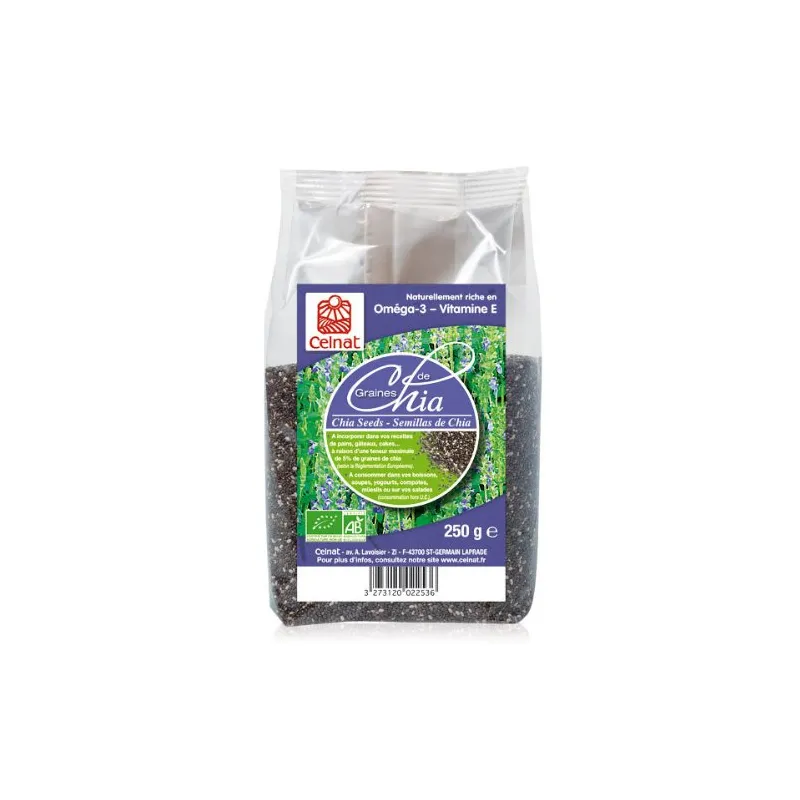
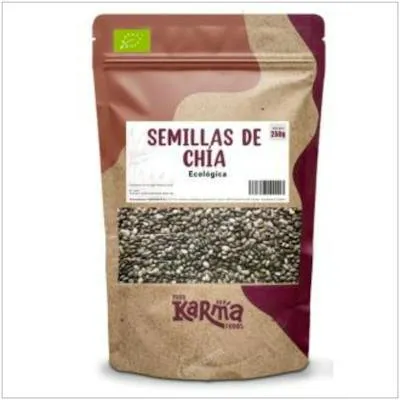
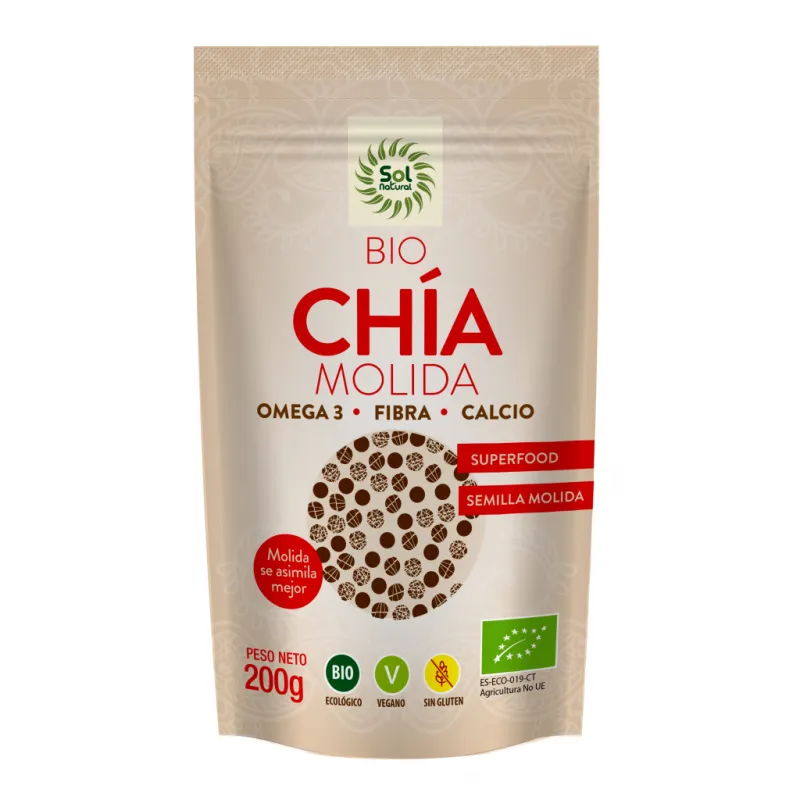
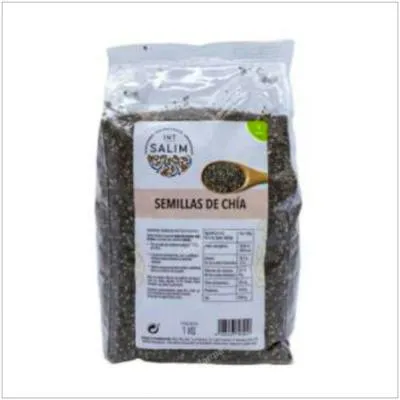
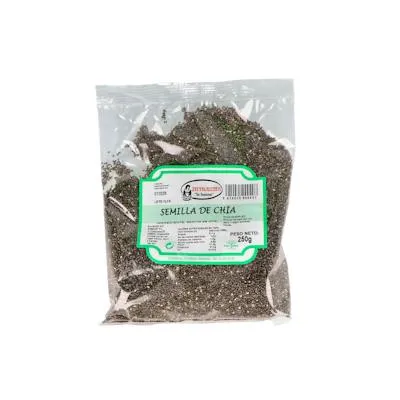
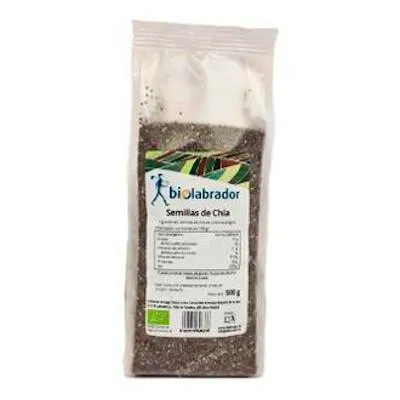
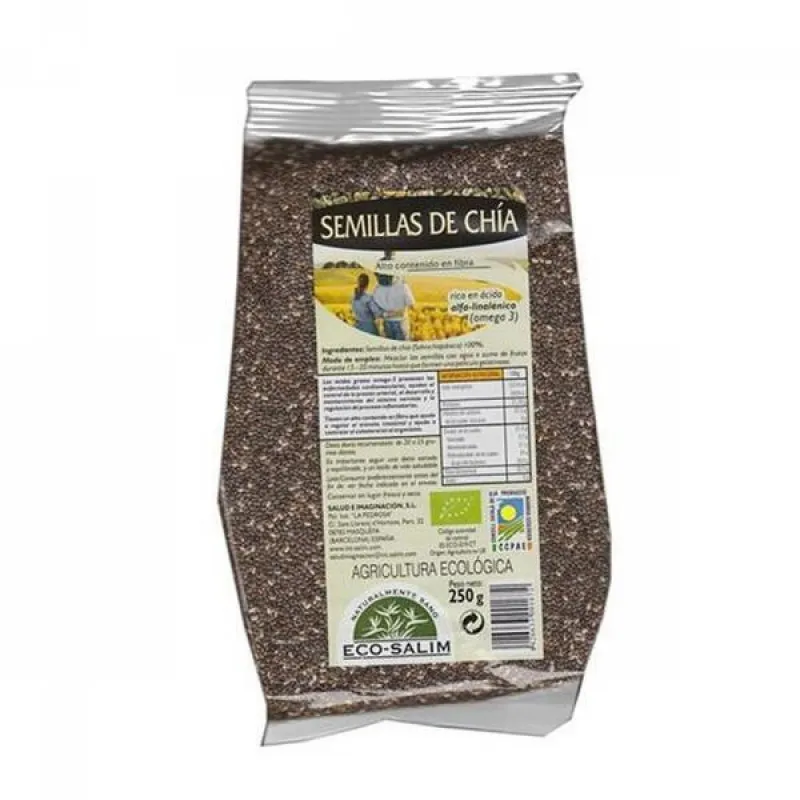
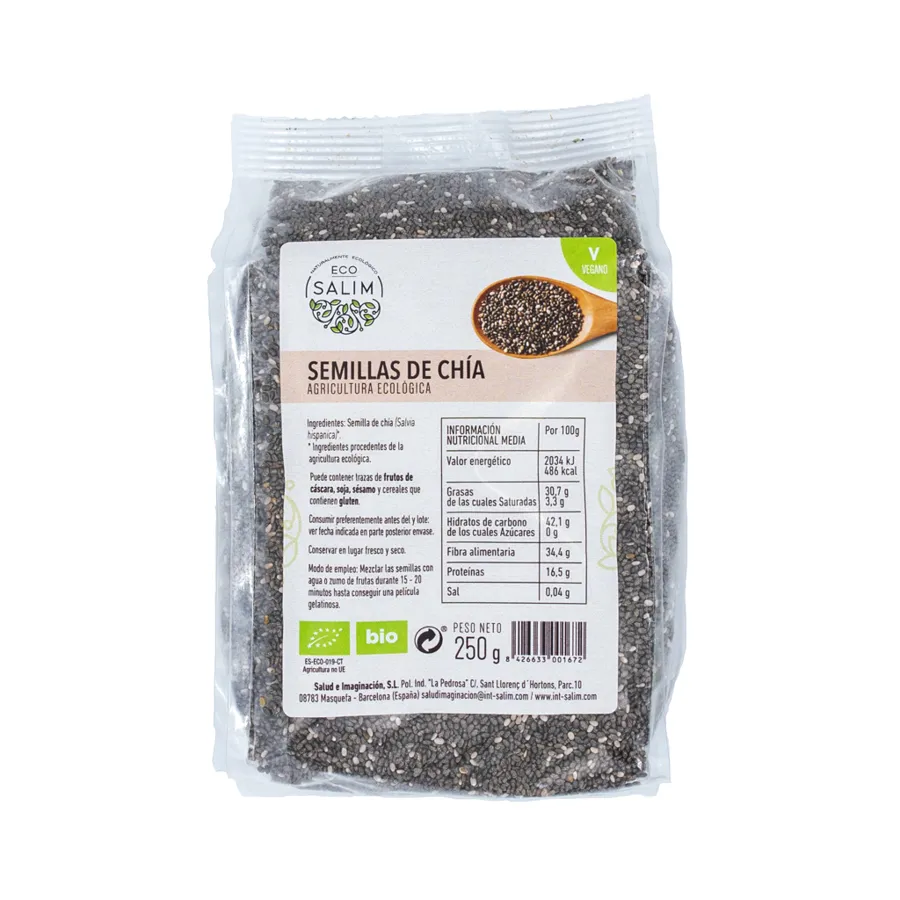
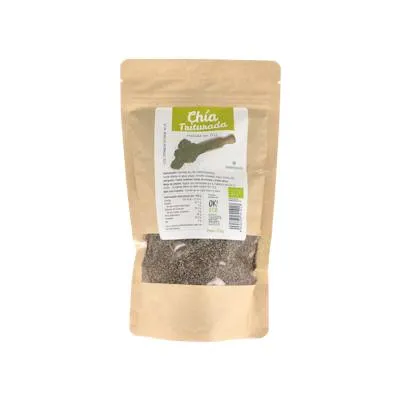
    Whole, as they are or soaked. This is what is sold as chia.

  • The gel

    The mucilage they form when soaked, which gives texture to chia desserts and drinks.

  • The flour

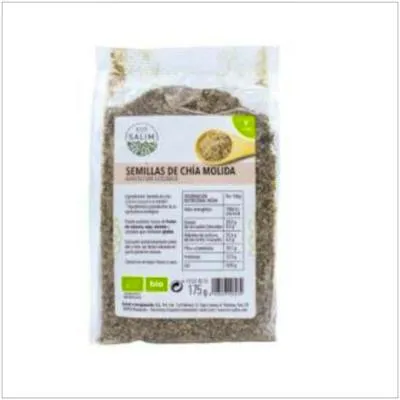
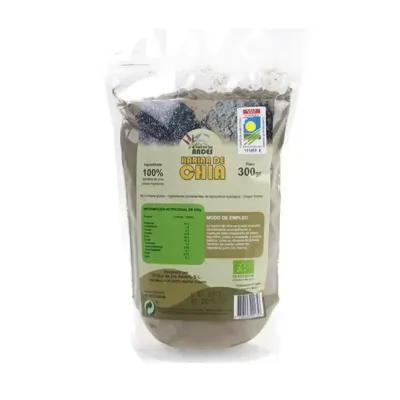
    Ground seeds, to mix with other flours.

  • The oil

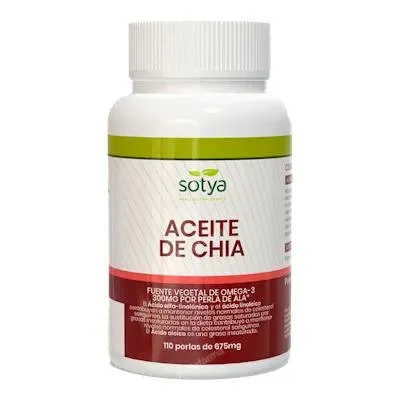
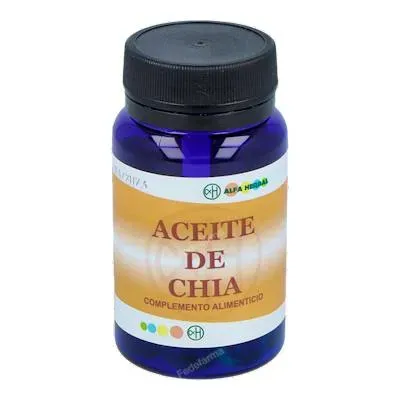
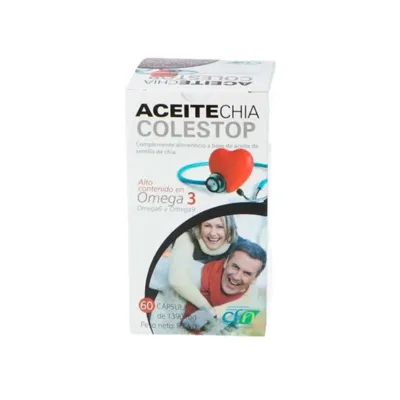
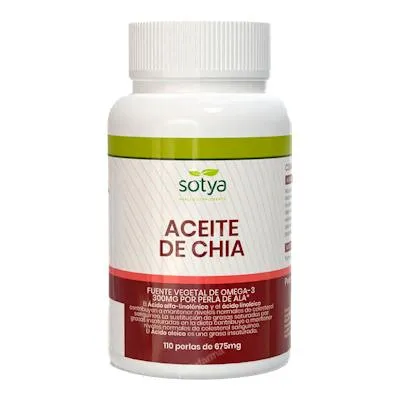
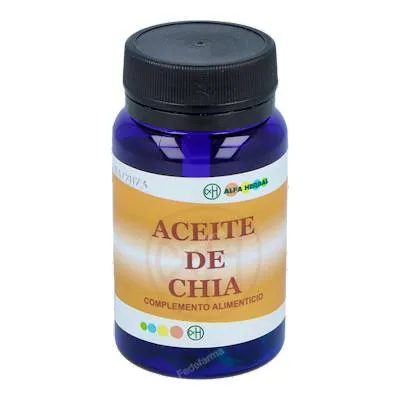
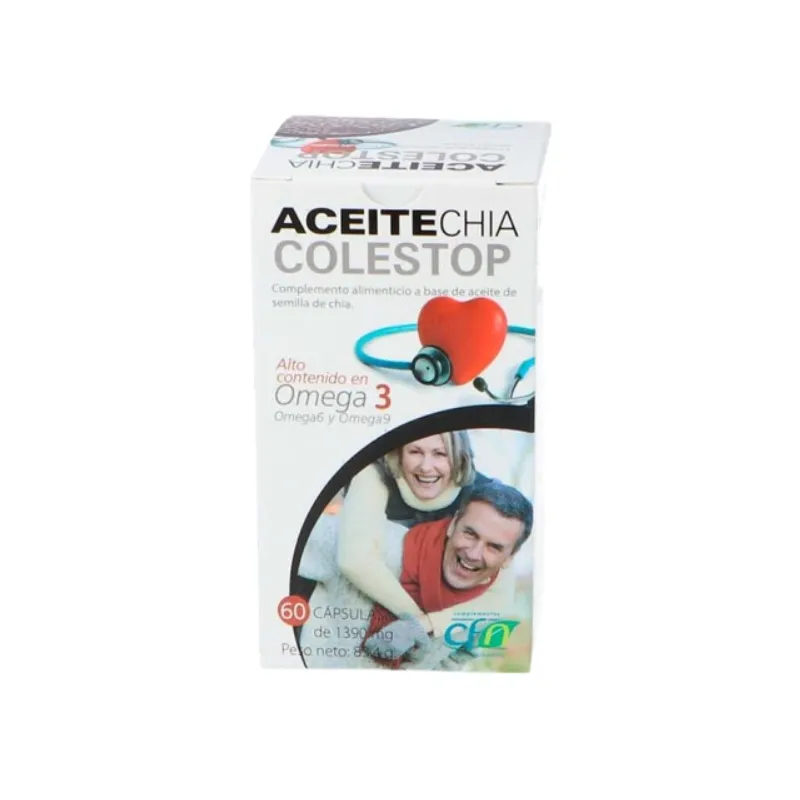
    Seeds pressed into bottles or softgels.

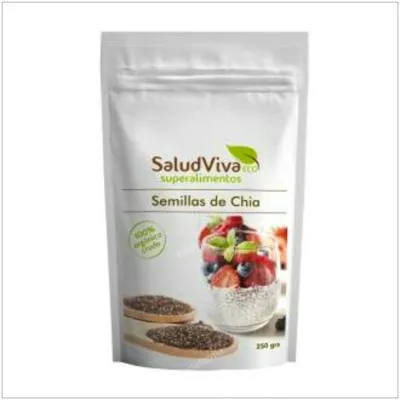
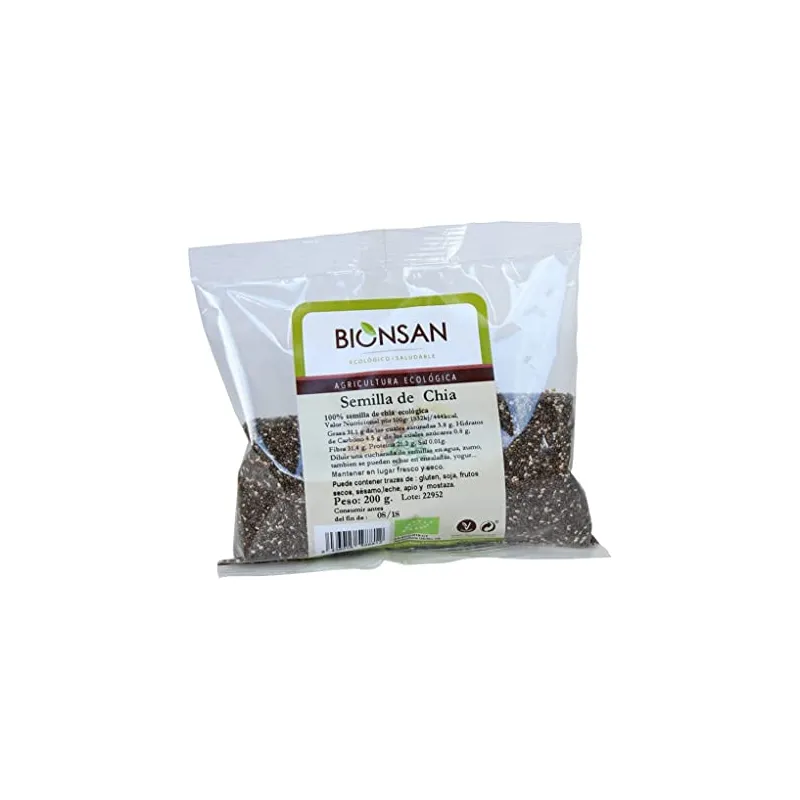
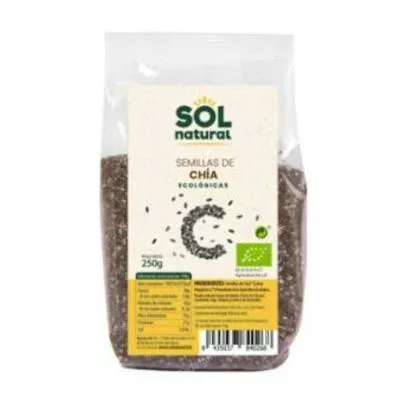
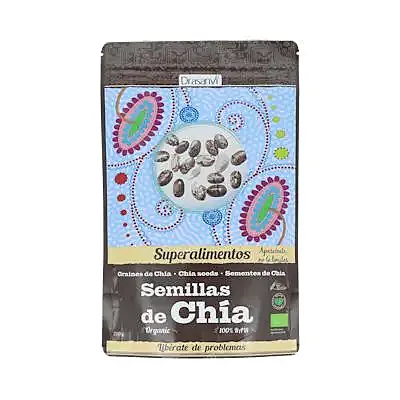
Chia seed formats and how to use them

Products and prices are those in the shop today. Always follow the directions for use on each product's label.

Products

How to choose chia seeds

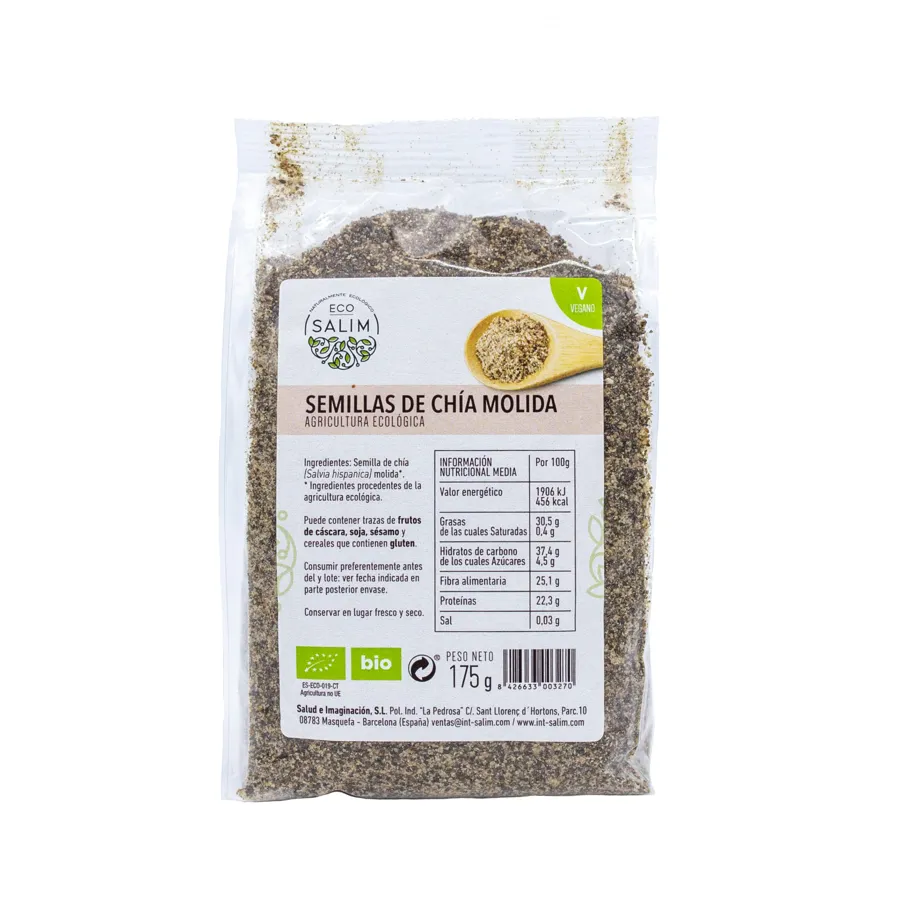
  • Whole seeds last longer; ground ones blend better into doughs and smoothies.
  • Check whether they are organic and where they come from.
  • If you are coeliac, look for the «gluten-free» mark.
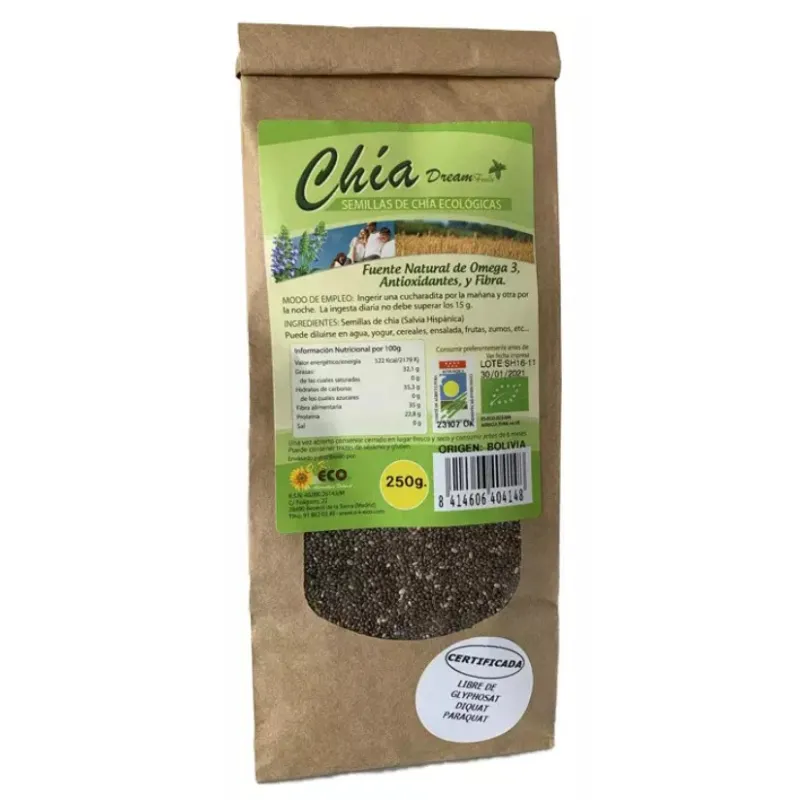
  • The label on packaged seeds on their own says not to take more than 15 g per day.

History and tradition

  1. Aztec era

    Chia was a staple food in Mesoamerica, and 21 of the 38 Aztec provinces paid it as an annual tribute.

  2. 1540-1585

    The Mendoza and Florentine Codices describe it and draw it.

  3. Jesuit chronicles

    The Jesuit chroniclers place it as the third Aztec crop, after maize and beans.

  4. Today

    In Europe it is considered a novel food: it was not eaten in any significant way before 1997.

Chia seeds around the world

  • Mexico

    Chia fresca, a fresh chia drink, is a typical beverage. Its name comes from Nahuatl and means «oily».

  • Bolivia, Argentina and Australia

    They are among the countries that grow it on a commercial scale, along with Mexico and Guatemala.

  • United States

    Since 1977, little figurines have been sold that get covered in chia sprouts. In Kentucky, varieties have been developed for colder climates.

What it pairs with

  • Flaxseed: Together in seed mixes for breakfast.
  • With yogurt, oats or fruit: the gel gives them body.

Sources for this page: Implementing Regulation (EU) 2017/2470, Union list of novel foods (Official Journal, copy of the BOE); Chia seed, English Wikipedia; Salvia hispanica, English Wikipedia.

Frequently asked questions

What precautions do chia seeds have?

In the EU chia seeds are a novel food: those sold on their own in packaging must state on the label that no more than 15 g should be taken per day, and chia oil in supplements has a maximum of 2 g per day (Implementing Regulation (EU) 2017/2470, Union list of novel foods).
Which products with chia seeds do you have?

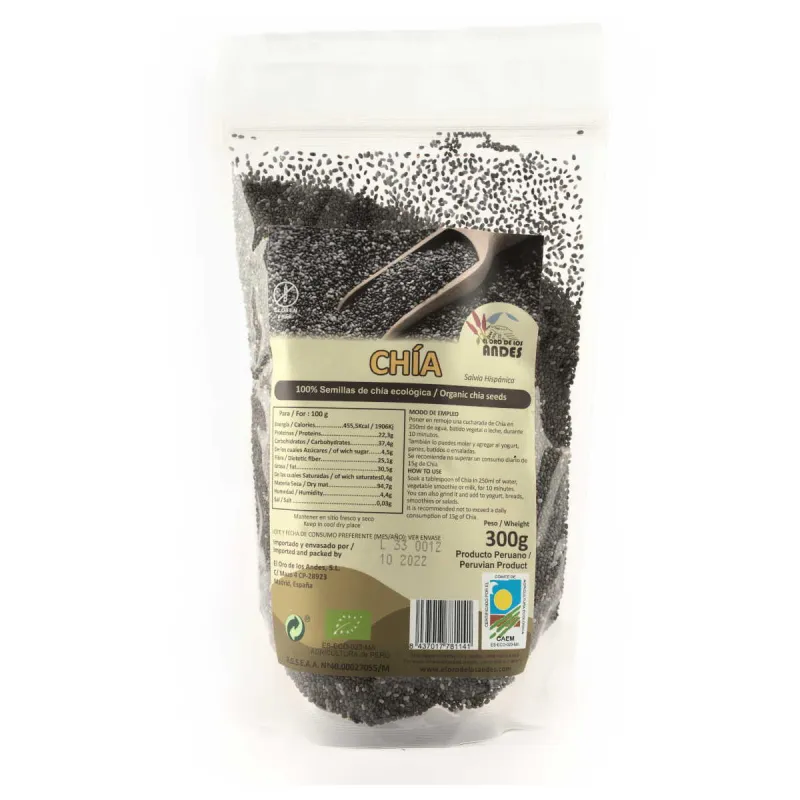
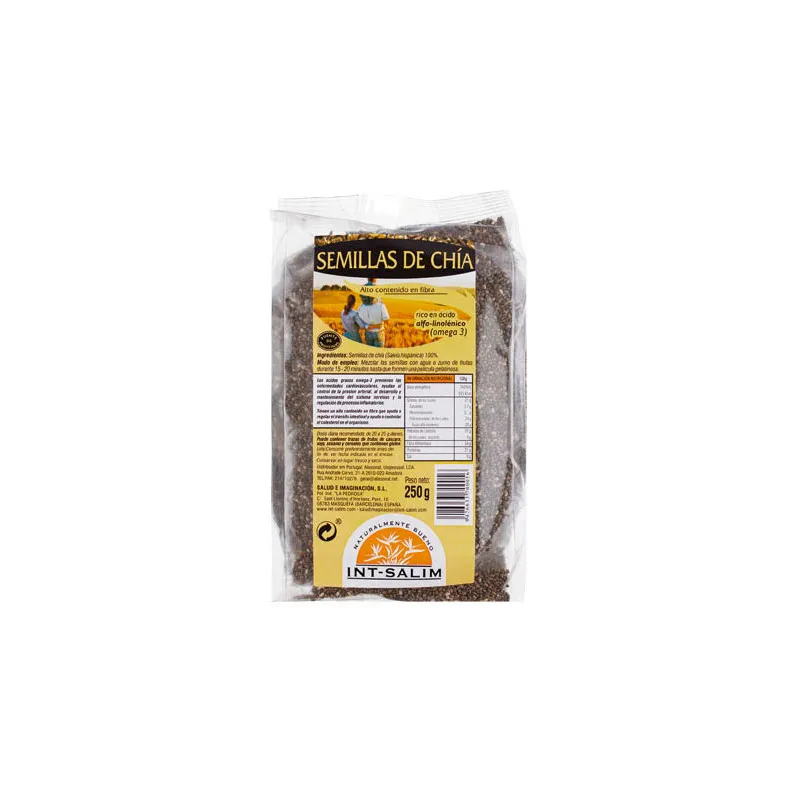
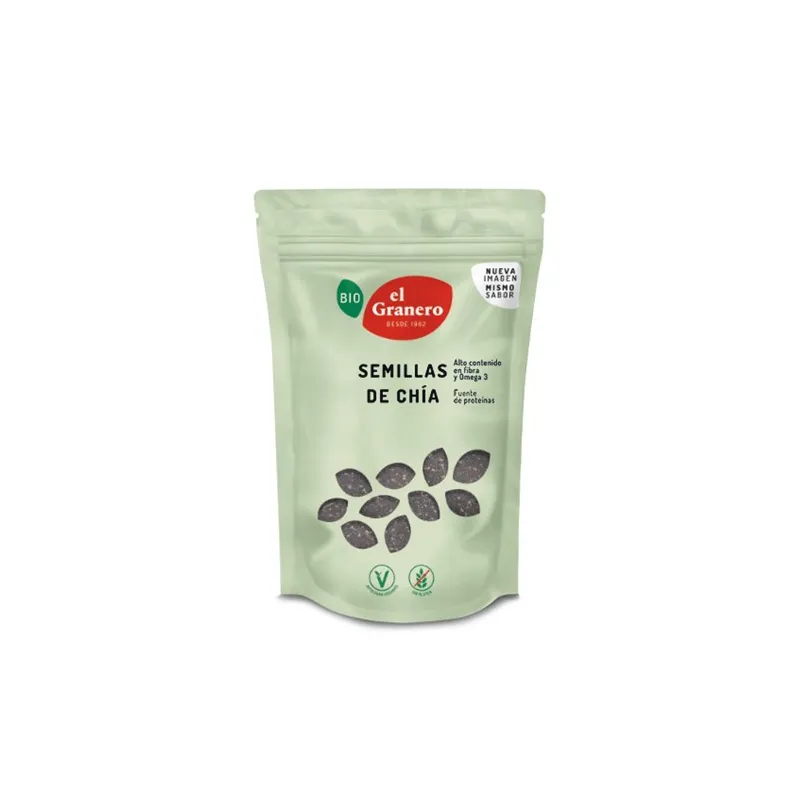
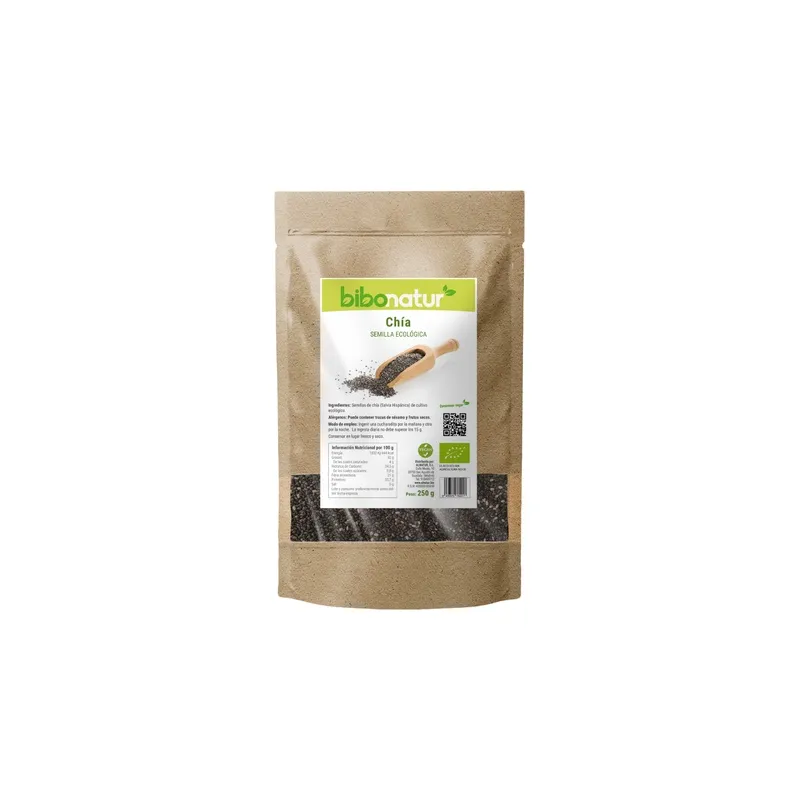
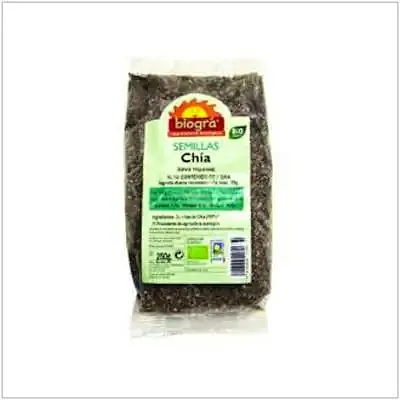
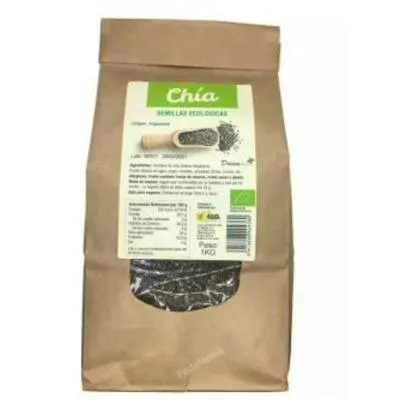
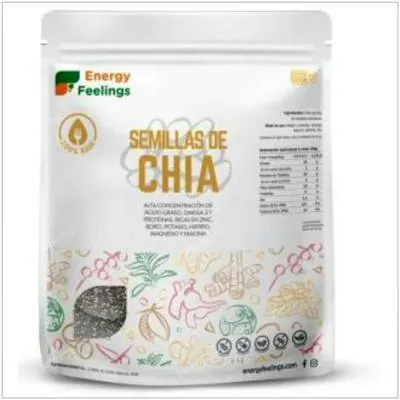
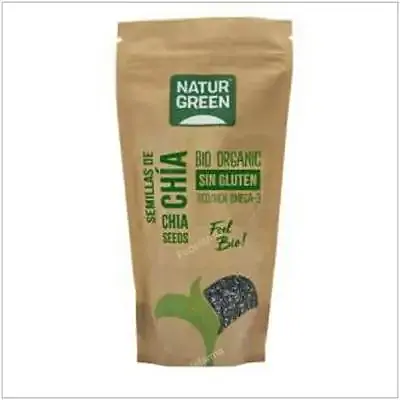
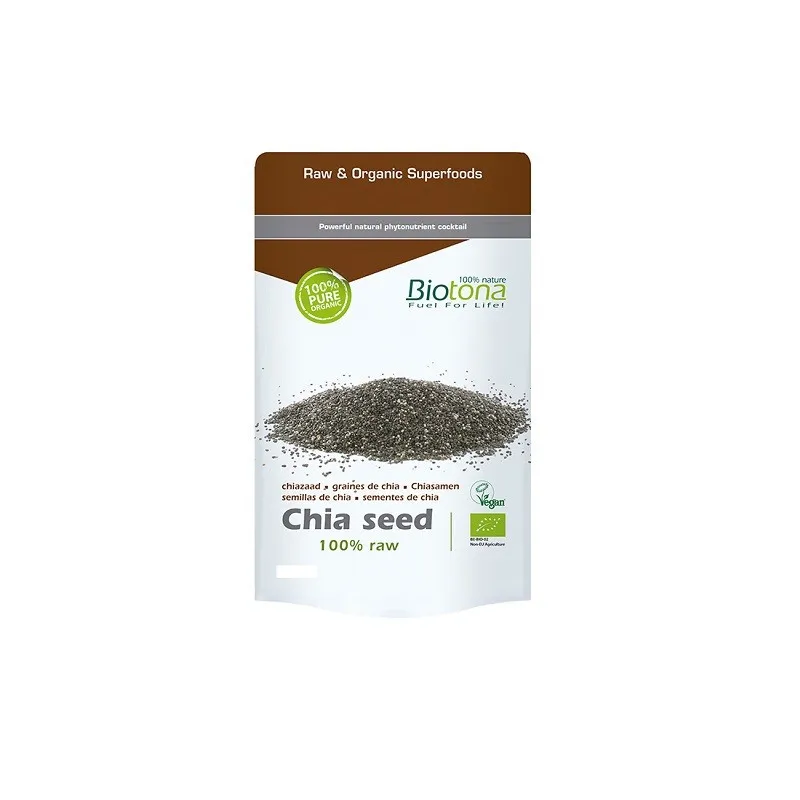
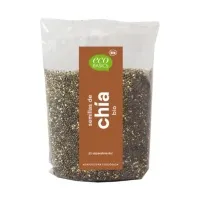
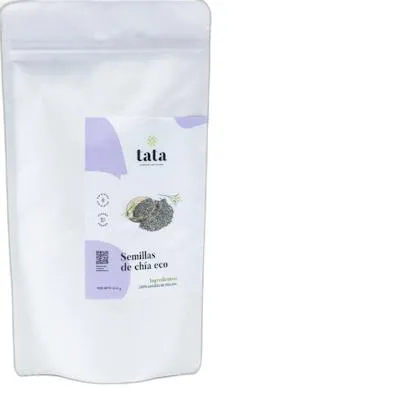
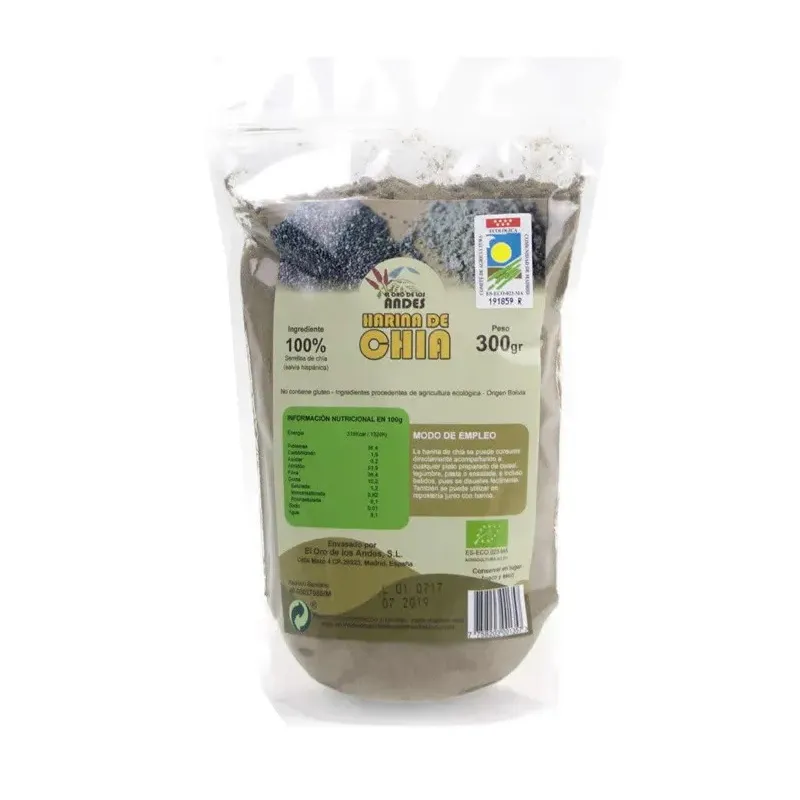
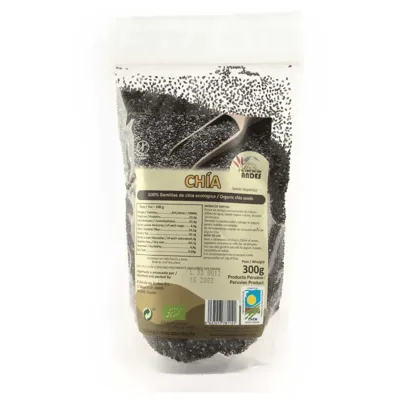
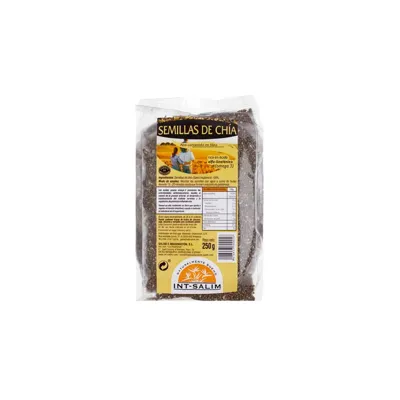
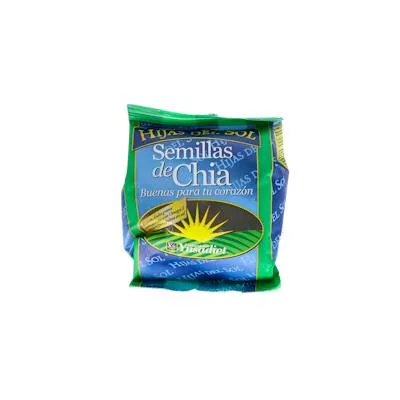
With chia seeds, we have 44 products from 27 brands. From 2,49 €; half of them cost less than 4,81 €. Brands with the most products: Ecosalim, Dream Foods, El Granero, Oro Los Andes, Biogra.
How much chia can you have per day?

Chia seeds sold on their own must state on the label that no more than 15 g per day should be taken.

Why does chia form a gel?

Because when soaked it absorbs up to 12 times its weight in liquid and becomes coated in a mucilage.

Whole or ground?

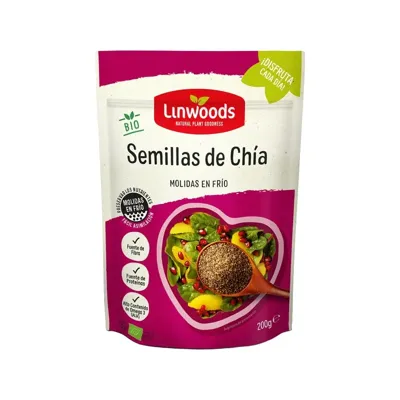
Both are sold. Ground and mixed with water it forms a gel that is used in place of egg in baking.

Why is chia a novel food?

Because in the EU it was not eaten in any significant way before 15 May 1997; it is authorised on the Union list, subject to its conditions.

Where does chia come from?

From central and southern Mexico and Guatemala, where the Aztecs already cultivated it.